Seattle AC repair since 2004

AC Repair Services in Seattle, WA

When your air conditioner is not cooling properly, has weak airflow, or will not turn on, HVAC Angel can help. Our Seattle HVAC technicians inspect your system to identify the cause of the problem before recommending a repair. This approach helps ensure the right issue is addressed and your home returns to a comfortable temperature.

  • Licensed & insured
  • 4.9 Google rating
  • 24/7 emergency dispatch
  • Trane
  • Carrier
  • Lennox
  • Mitsubishi Electric
  • Rheem
  • Daikin
  • Bryant
  • Goodman
  • American Standard
  • Bosch
  • Amana
  • York
  • Heil
  • Fujitsu

AC repair in Seattle

Seattle Air Conditioning Repair Services from HVAC Angel

HVAC Angel provides AC repair services for Seattle homes when cooling performance starts to decline or the system stops working as expected. Our HVAC technicians diagnose problems such as warm air, weak airflow, uneven temperatures, frequent cycling, water leaks, ice buildup, and unusual noises before recommending a repair.

Seattle homes use different cooling setups, from central air conditioning connected to existing furnace ductwork to heat pumps and ductless mini split systems. That means the source of a cooling problem may involve airflow, thermostat controls, refrigerant, electrical components, coils, the compressor, or other connected parts of the system. We inspect the equipment related to the problem so the repair addresses the underlying fault rather than only the visible symptom.

Call for AC repair
HVAC Angel technician inspecting residential cooling equipment
2004
Established
20+
Years in Seattle
24/7
Emergency dispatch
Repair services

Professional Air Conditioning Repair Services in Seattle

Professional AC repair starts with identifying which part of the cooling system is causing the problem. Depending on the fault, our technicians may inspect refrigerant levels, electrical components, system controls, airflow, moving parts, coils, or condensate drainage before recommending the appropriate repair.

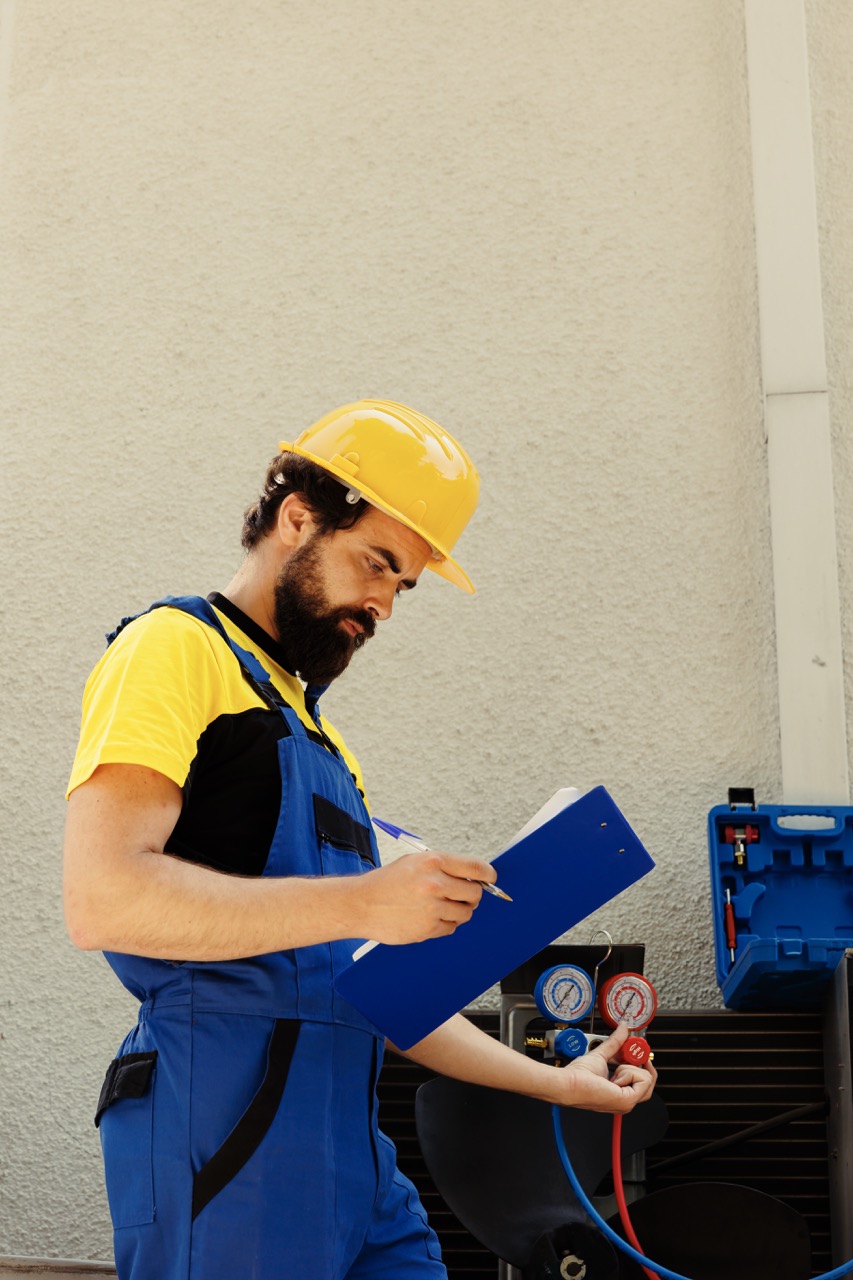
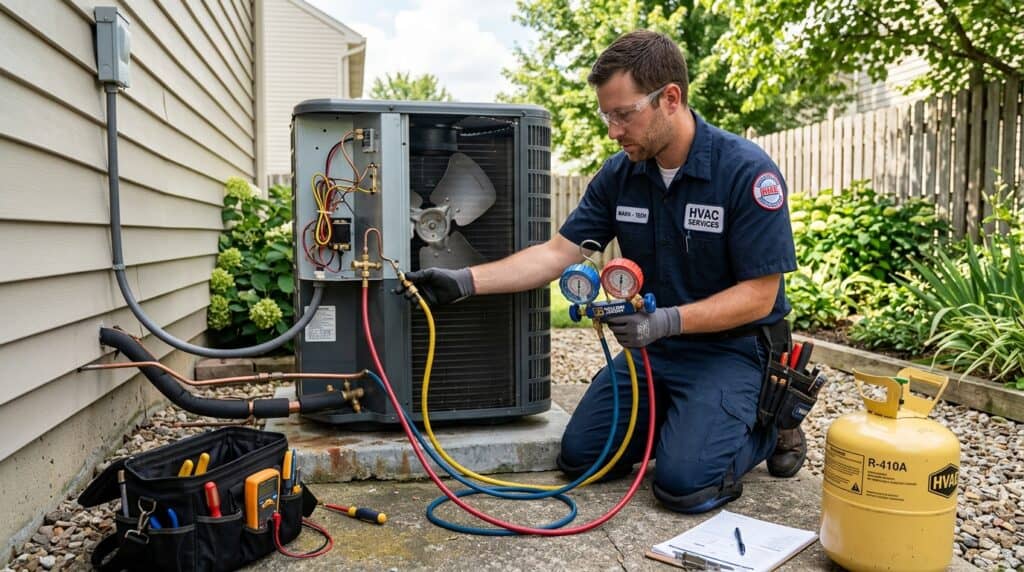
HVAC technician using refrigerant manifold gauges to diagnose a residential air conditioner
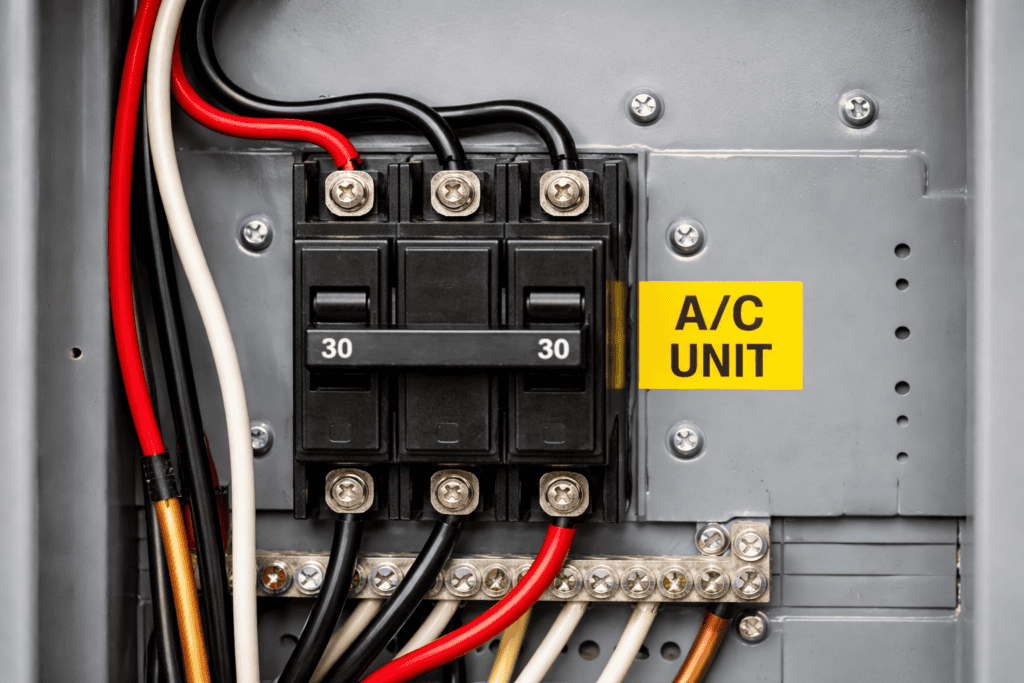
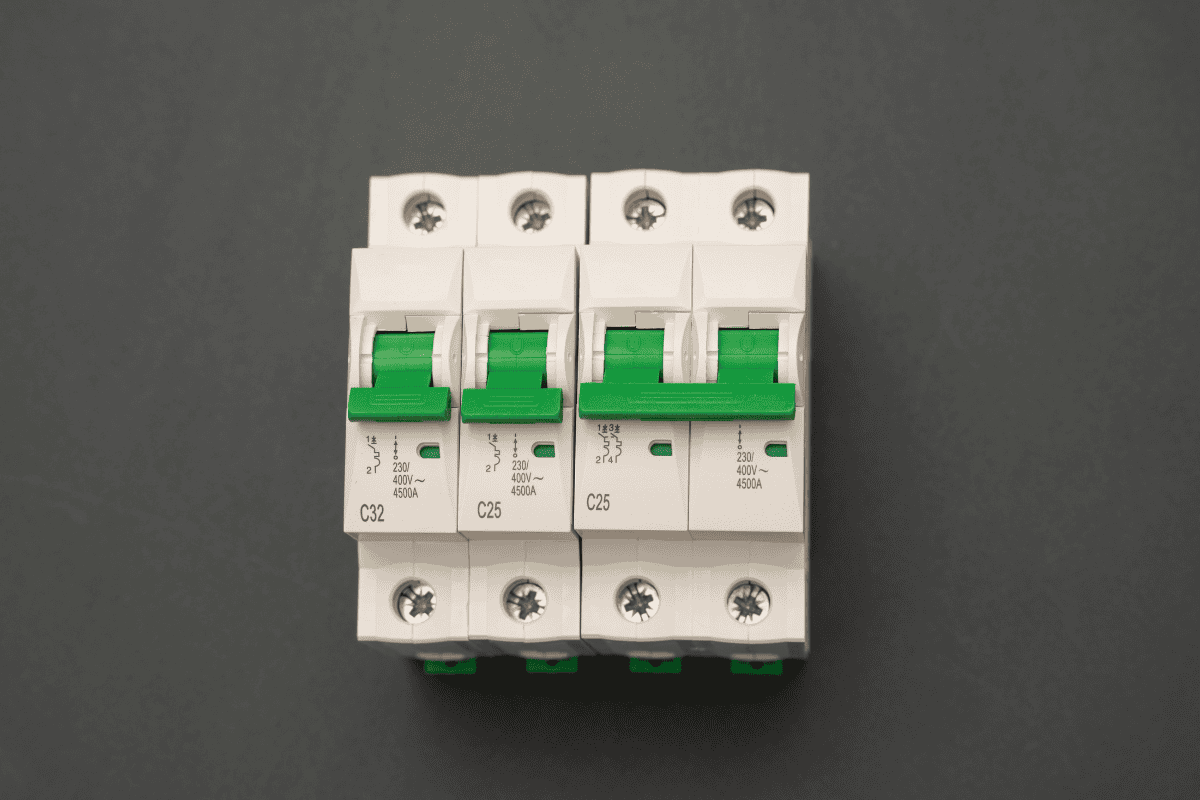
Electrical circuit breaker panel inspected during AC troubleshooting
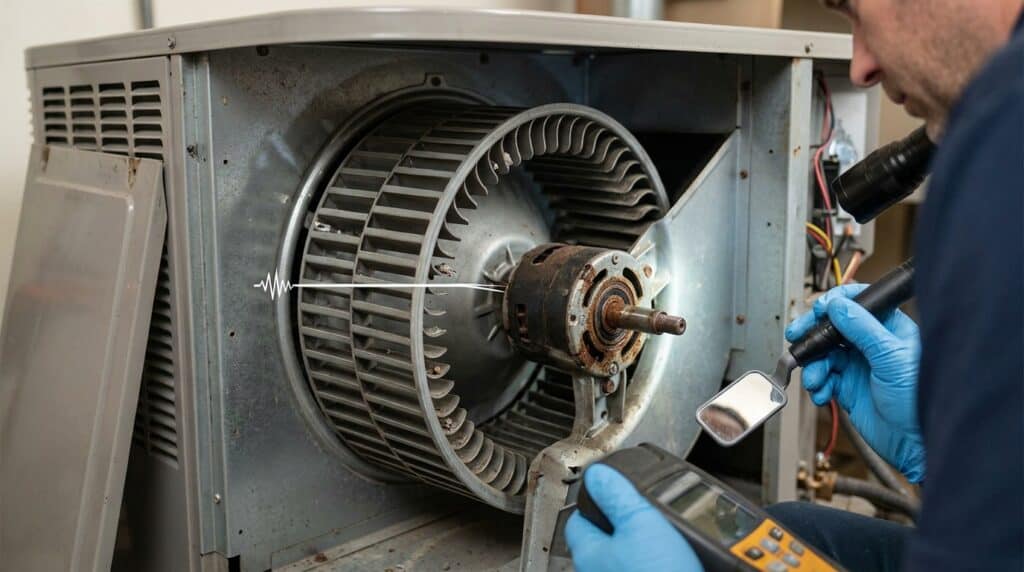
Technician inspecting an HVAC blower wheel and motor for airflow problems
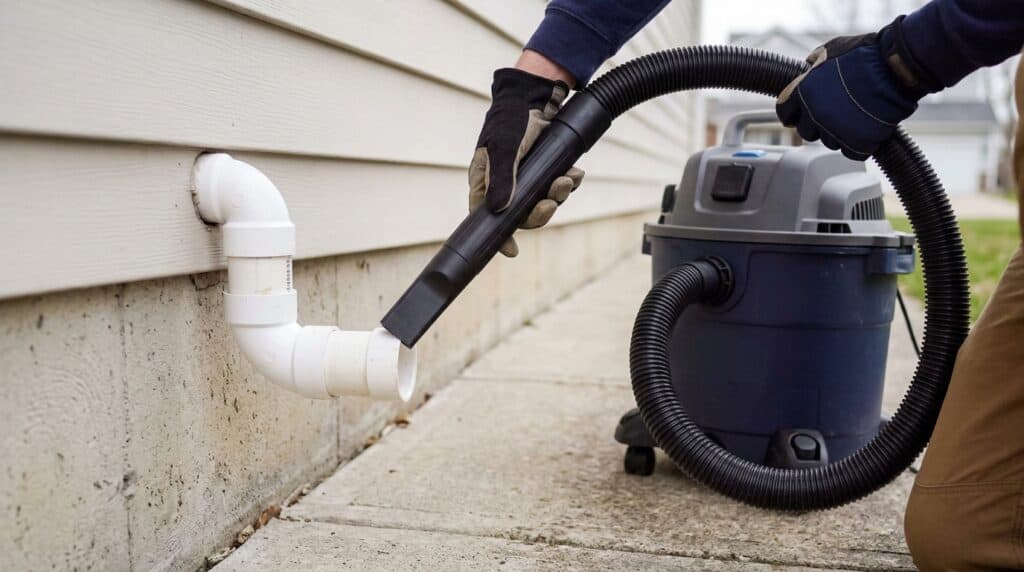
Technician clearing a clogged air conditioner condensate drain line

Cooling and Refrigerant Repairs

Cooling problems can develop from refrigerant leaks, low refrigerant, frozen evaporator coils, dirty or damaged coils, or compressor related faults. If refrigerant is low, simply adding more is not always the right fix. The system should be checked to determine why refrigerant was lost and whether another issue is affecting cooling performance.

Electrical and Control Repairs

Capacitors, contactors, wiring, thermostats, and other electrical controls all play a role in how your air conditioner starts, runs, and cycles. Electrical faults can stop the system from turning on, cause unexpected shutdowns, or prevent the compressor and fan motors from operating correctly.

Fan, Blower and Airflow Repairs

Blower motors, condenser fan motors, air filters, coils, and ductwork all affect how air moves through your home. Restricted airflow can reduce cooling, increase system run times, and contribute to evaporator coil freezing. We inspect the components affecting airflow to identify where the restriction or mechanical fault is occurring.

Condensate and Drainage Repairs

Air conditioners remove moisture as they cool your home, and that water needs to drain properly. A clogged condensate drain, damaged drain line, drainage fault, or thawing frozen coil can cause water to collect around indoor equipment. Repairing the source of the drainage problem helps prevent further moisture buildup around the system.

Symptoms we diagnose

Common AC Problems We Diagnose and Repair

AC problems often show up through changes in cooling, airflow, system cycling, moisture, or noise. The same symptom can have several possible causes, so our technicians inspect the relevant parts of the system before deciding what needs to be repaired.

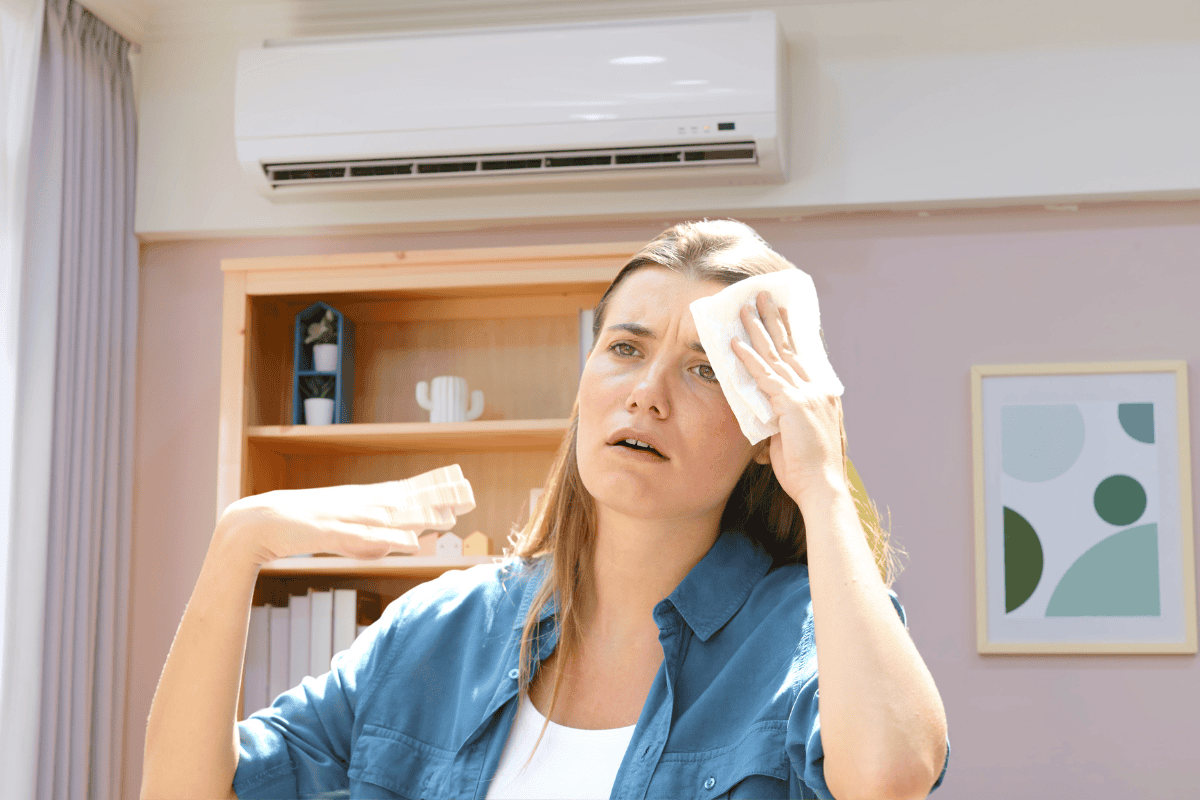
Technician diagnosing an air conditioner that is running without cooling
01 AC Is Running but Not Cooling

If your air conditioner is running but the home keeps getting warmer, the problem may involve a clogged air filter, restricted airflow, low refrigerant from a leak, thermostat operation, a dirty condenser coil, ductwork, electrical components, or the compressor. Seattle systems may run longer during hotter summer days, but they should still make measurable progress toward the thermostat setting.

02 Weak or Uneven Airflow From the Vents

Weak airflow can result from a dirty filter, blower motor problem, restricted evaporator coil, blocked duct, or duct leakage. Uneven cooling may be more noticeable in older Seattle homes where central air conditioning was added to existing heating ductwork. In those cases, airflow distribution can affect how well upstairs rooms or areas farther from the equipment cool.

03 AC Keeps Turning On and Off

Frequent starting and stopping is often called short cycling. It can be related to thermostat problems, restricted airflow, electrical faults, frozen coils, refrigerant issues, or equipment sizing. Because several faults can produce similar cycling problems, the system needs to be inspected before the cause can be identified accurately.

04 AC Will Not Turn On

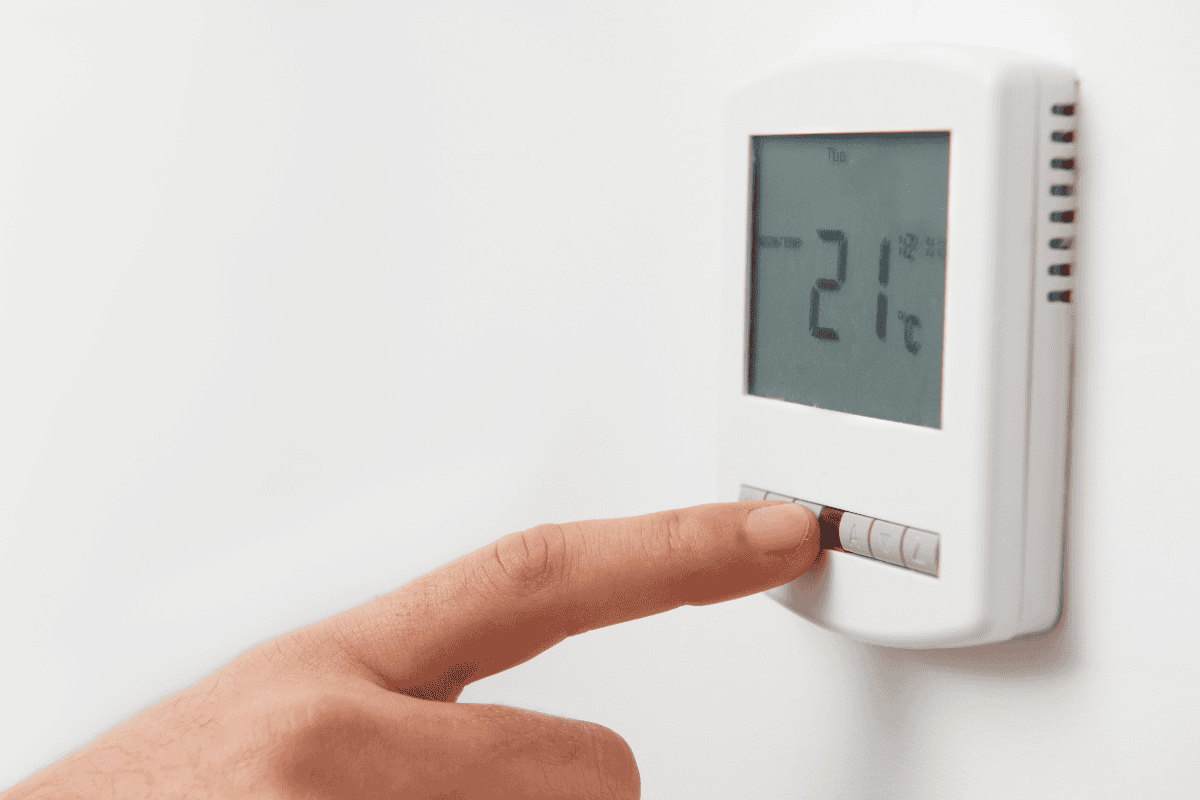
First check that the thermostat is set to cooling and that the circuit breaker has not tripped. If the system still will not start, the fault may involve the thermostat, capacitor, contactor, wiring, system controls, fan motor, or compressor. Electrical testing can help determine where power or control is being interrupted.

05 Ice Is Forming on the AC System

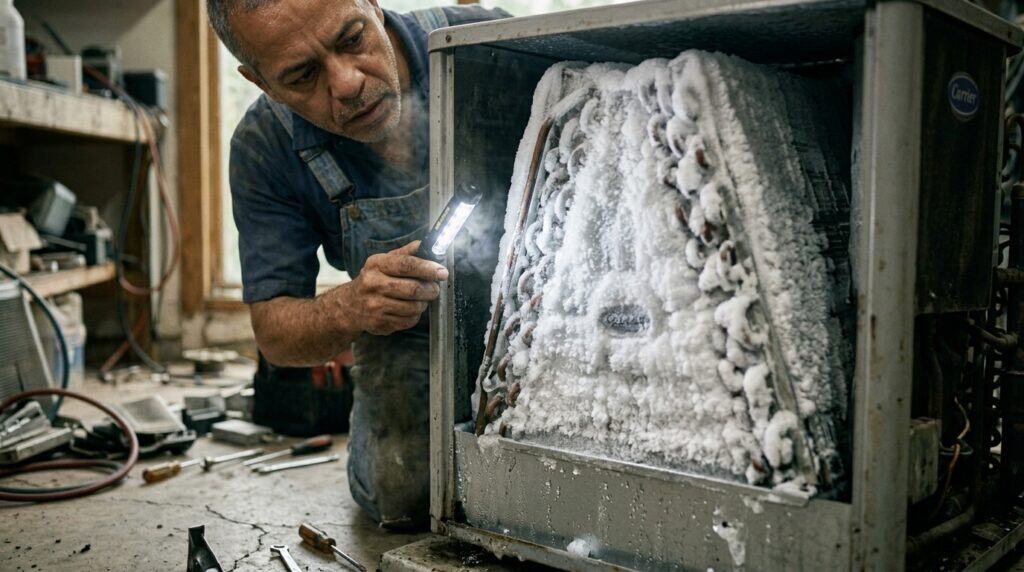
Ice on an evaporator coil or refrigerant line usually points to a system problem rather than stronger cooling. Restricted airflow, a dirty air filter, low refrigerant, a refrigerant leak, or coil problems can all contribute to freezing. Continuing to run a frozen system can place additional strain on the equipment.

06 Water Is Leaking Around the Indoor Unit

Water near indoor AC equipment may come from a clogged condensate drain, damaged drain line, drainage problem, or a frozen evaporator coil that has started to thaw. Moisture should not be ignored because continued leakage can affect nearby flooring, ceilings, walls, and other finishes around the system.

07 AC Is Making Unusual Noises

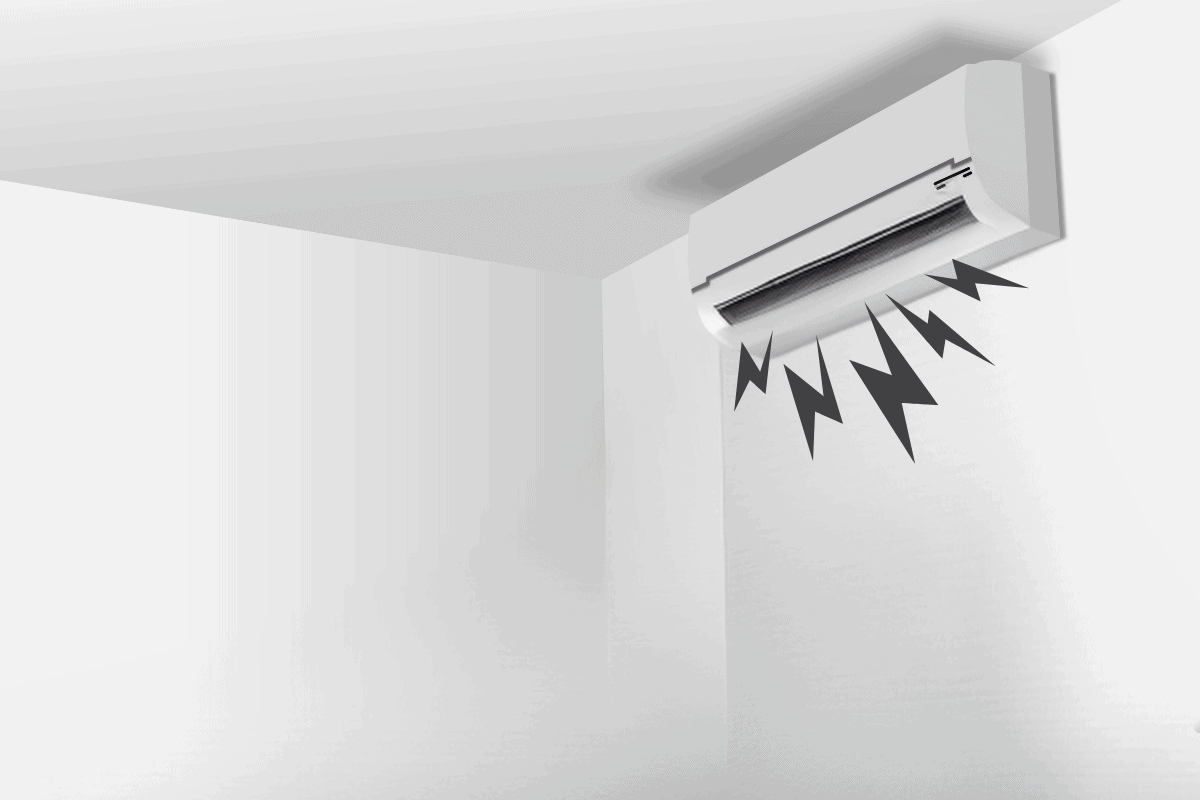
Buzzing, grinding, rattling, squealing, or repeated clicking can indicate problems with fan motors, blower motors, bearings, loose components, capacitors, contactors, electrical parts, or the compressor. The sound alone does not confirm which component has failed, but a new or worsening noise is a good reason to have the system checked.

08 AC Runs Constantly or Cooling Costs Increase

An air conditioner that runs for long periods without reaching the set temperature may be dealing with dirty coils, restricted airflow, duct leakage, thermostat problems, refrigerant issues, or deteriorating components. Higher cooling costs can also be influenced by outdoor temperatures, thermostat settings, energy rates, and household use, so energy bills alone do not confirm an AC fault.

Systems we service

Air Conditioning Systems We Repair in Seattle

Seattle homes use a mix of central air conditioning, ductless systems, and heat pumps, each with a different equipment layout and repair requirements. HVAC Angel services these common residential cooling systems and checks both indoor and outdoor components when diagnosing performance problems.

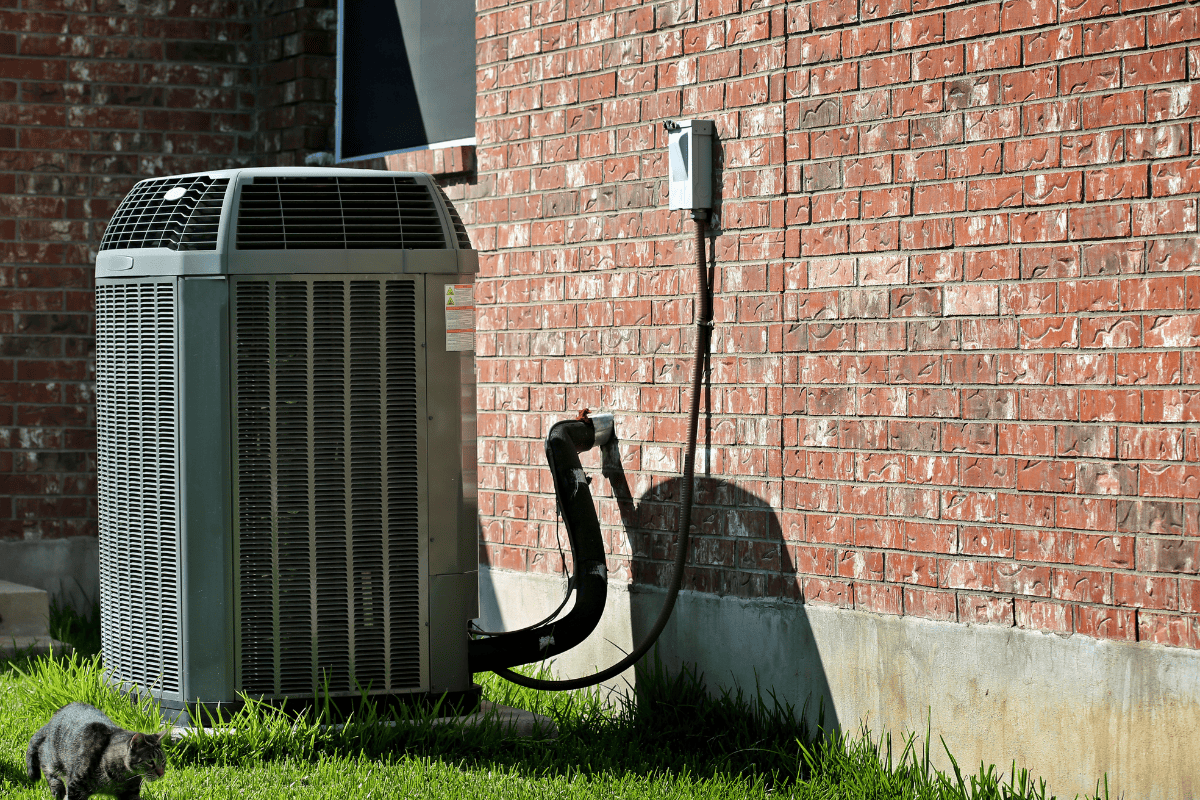
Residential central air conditioner condenser beside a home

Central Air Conditioning Systems

Central AC uses an outdoor condenser connected to an indoor evaporator coil, blower or air handler, thermostat, refrigerant circuit, and ductwork. A cooling problem can develop on either side of the system, while restricted airflow or duct conditions can also affect how evenly cooled air reaches different rooms.

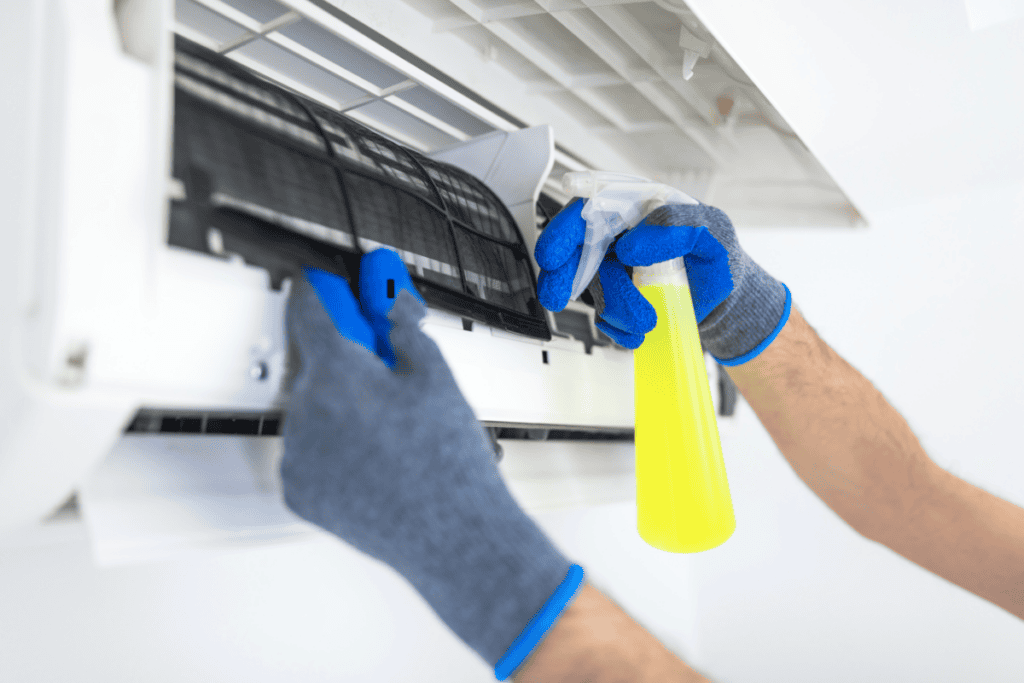
HVAC technician servicing a wall-mounted ductless mini split indoor unit

Ductless Mini Split Systems

Ductless mini splits use one or more indoor units connected to outdoor equipment, allowing individual areas of the home to be cooled without traditional ductwork. They are particularly useful in older Seattle homes, additions, and converted spaces where extending existing ducts may be impractical. Repairs may involve indoor unit operation, zone controls, refrigerant lines, drainage, fans, or communication between system components.

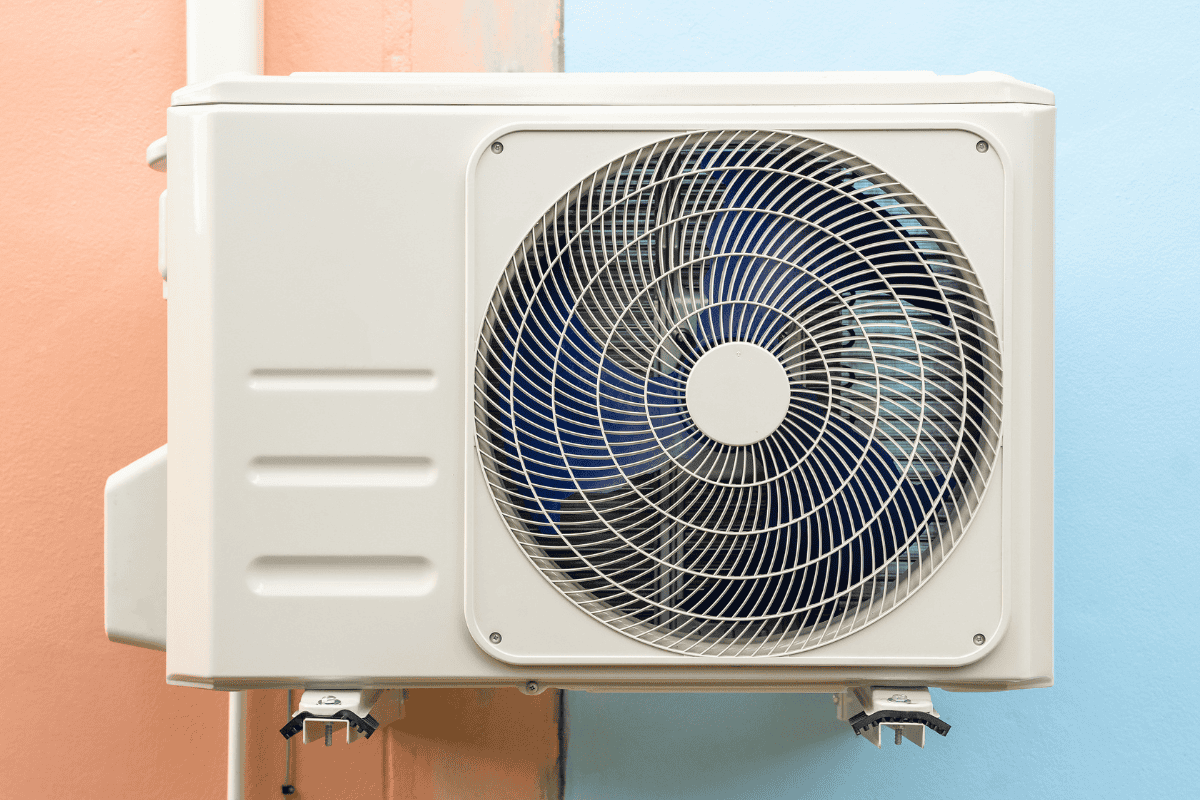
Residential outdoor heat pump unit used for heating and cooling

Heat Pumps

Heat pumps provide both heating and cooling, making them an increasingly common choice for Seattle homes. City permit data shows heat pumps accounted for 81 percent of home heating system upgrades and new construction in Seattle in 2024. When cooling performance drops, the issue may involve refrigerant, coils, compressor operation, fan motors, thermostat controls, electrical components, or communication between the indoor and outdoor units.

Repair or replace

AC Repair vs AC Replacement

Not every AC breakdown means you need a new system. The right choice depends on the condition of the equipment, the type of fault, previous repair history, and how well the system was cooling your home before the problem started.

AC Repair May Be Better When

  • 01 The problem is limited to a repairable component
  • 02 The system has otherwise been reliable
  • 03 Cooling performance was good before the fault
  • 04 Replacement parts are readily available
  • 05 The repair cost is reasonable for the system condition
  • 06 Important components remain under warranty

AC Replacement May Be Better When

  • 01 Major components such as the compressor are failing
  • 02 Breakdowns are becoming frequent
  • 03 The system was already struggling to cool evenly
  • 04 Parts or refrigerant are becoming difficult to source
  • 05 Repair costs are becoming difficult to justify
  • 06 The system is older and outside warranty coverage

For older Seattle homes, we may also consider the condition of existing furnace equipment and ductwork before recommending AC replacement.

Call for AC repair

Step by step

How an AC repair runs, from the first call to the final cooling test

Every repair follows the same five stages, so you always know what has been found, what needs to happen next, and what it costs before any work is approved.

  1. 01

    Step 1

    Discuss the Cooling Problem

    We start with what you have noticed, including when the problem began, whether cooling stopped suddenly or gradually, changes in airflow, unusual noises, water or ice around the system, and whether the issue affects the whole home or specific rooms.

  2. 02

    Step 2

    Inspect and Diagnose the AC System

    Our technician checks the parts of the system most relevant to the symptoms. This may include the thermostat, air filter, airflow, indoor and outdoor equipment, electrical components, coils, motors, refrigerant circuit, drainage, or ductwork.

  3. 03

    Step 3

    Explain the Fault and Recommended Repair

    Once the AC diagnosis is complete, we explain what is causing the problem, which component or system area is affected, and what repair is recommended. If there is more than one practical option, we explain those choices before work begins.

  4. 04

    Step 4

    Complete the Approved Repair

    The repair is completed based on the confirmed fault. Depending on the issue, this may involve electrical components, motors, thermostat controls, refrigerant work, drainage repairs, airflow corrections, or component replacement.

  5. Step 5

    Test Cooling and System Operation

    After the repair, we test the system to confirm thermostat response, airflow, cooling performance, system cycling, and operation of the repaired component. The goal is to make sure the original problem has been properly addressed before the service is complete.

Ready to get your cooling back on track?

Book your AC repair

Why HVAC Angel

Why Choose HVAC Angel for AC Repair in Seattle?

When your AC fails, you need more than someone who can replace a part. You need a technician who can identify what is actually wrong, explain the repair clearly, and help you make a practical decision about your cooling system.

Call for AC repair

Accurate Diagnosis Before Repair

We inspect the system and trace the problem to its source before recommending work. This helps avoid replacing components unnecessarily or treating a symptom without addressing the underlying fault.

Clear, Upfront Pricing

You receive the recommended repair and pricing before work begins. That gives you a chance to understand what needs attention and what the repair will involve before approving it.

Same Day and Emergency AC Service

HVAC Angel offers same day and emergency AC repair in Seattle based on technician availability and current call volume. Complete cooling failures and more urgent system problems can be prioritized when scheduling allows.

Same Day and Emergency AC Service

AC problems do not always happen at a convenient time, especially during Seattle’s warmer summer days when your cooling system is working harder. HVAC Angel provides same day and emergency AC repair for urgent issues such as complete cooling loss, systems that will not start, or sudden faults that should not be left unattended.

AC Repair Seattle FAQs

  • AC repair cost in Seattle depends on the problem, the component that has failed, and the work required to correct it. Pricing can vary based on diagnosis, replacement parts, labor, refrigerant work, equipment type, system access, and repair complexity. A minor electrical repair will usually involve a very different scope than compressor, coil, or refrigerant related work. HVAC Angel can diagnose the system first and explain the recommended repair before work moves forward.