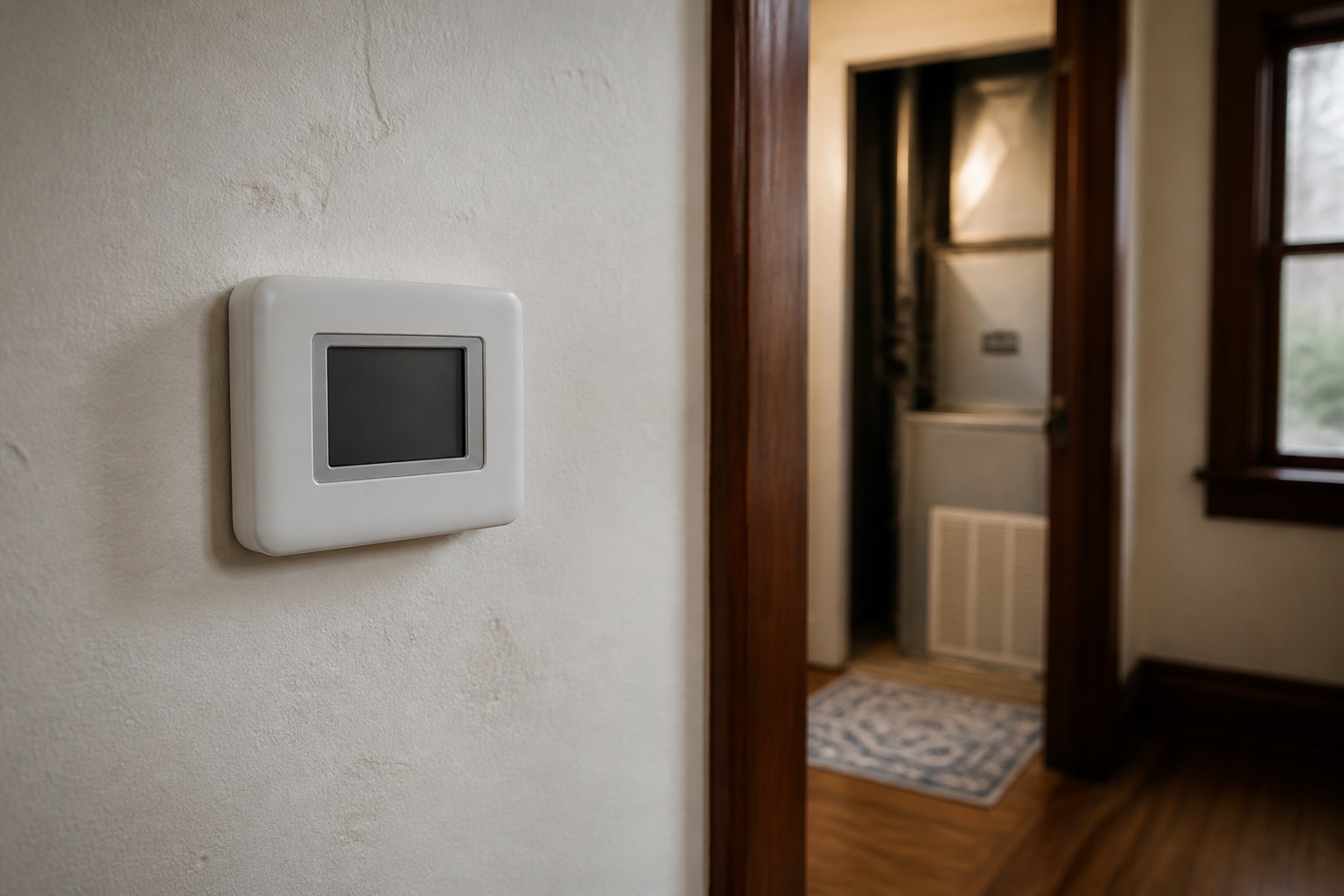
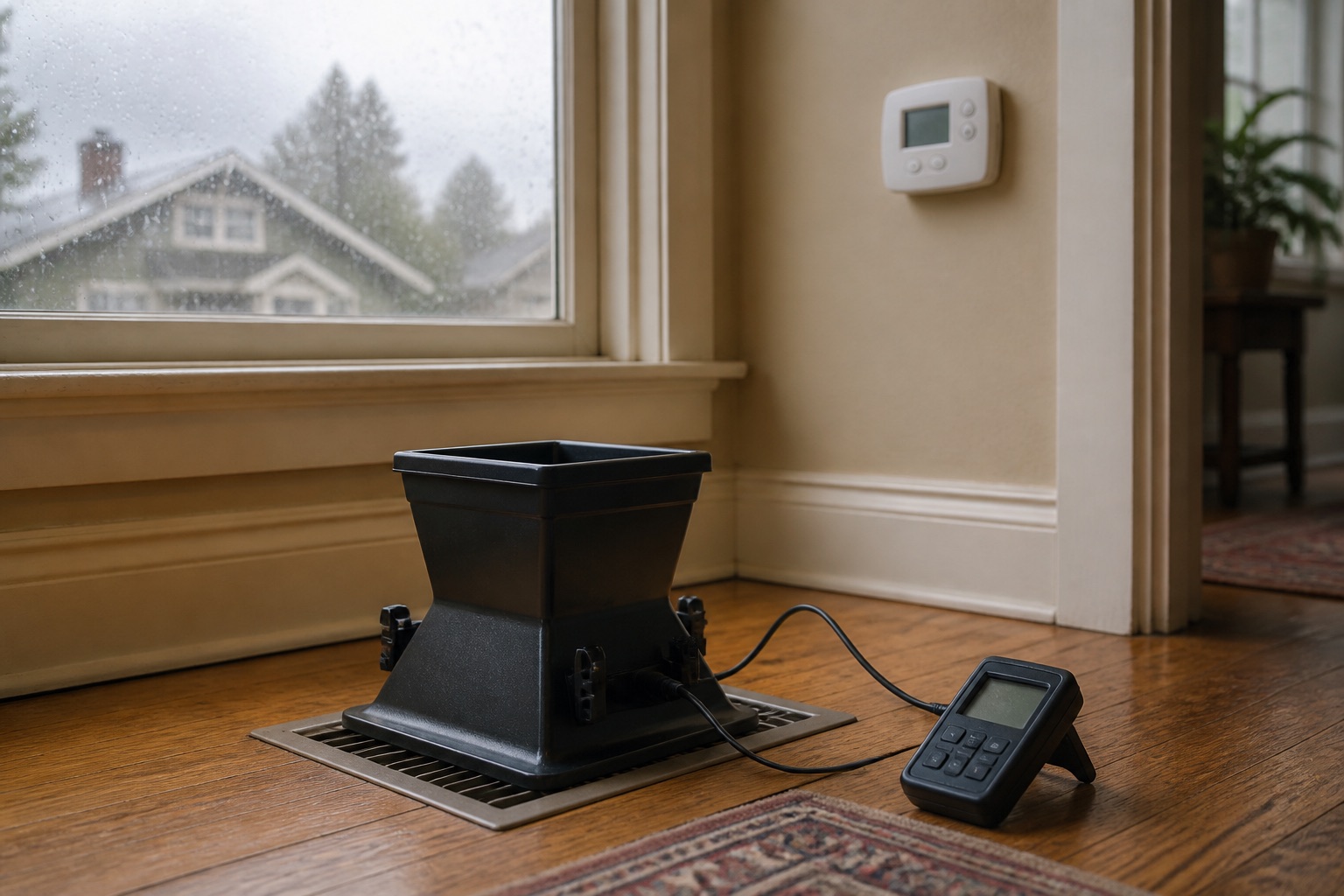
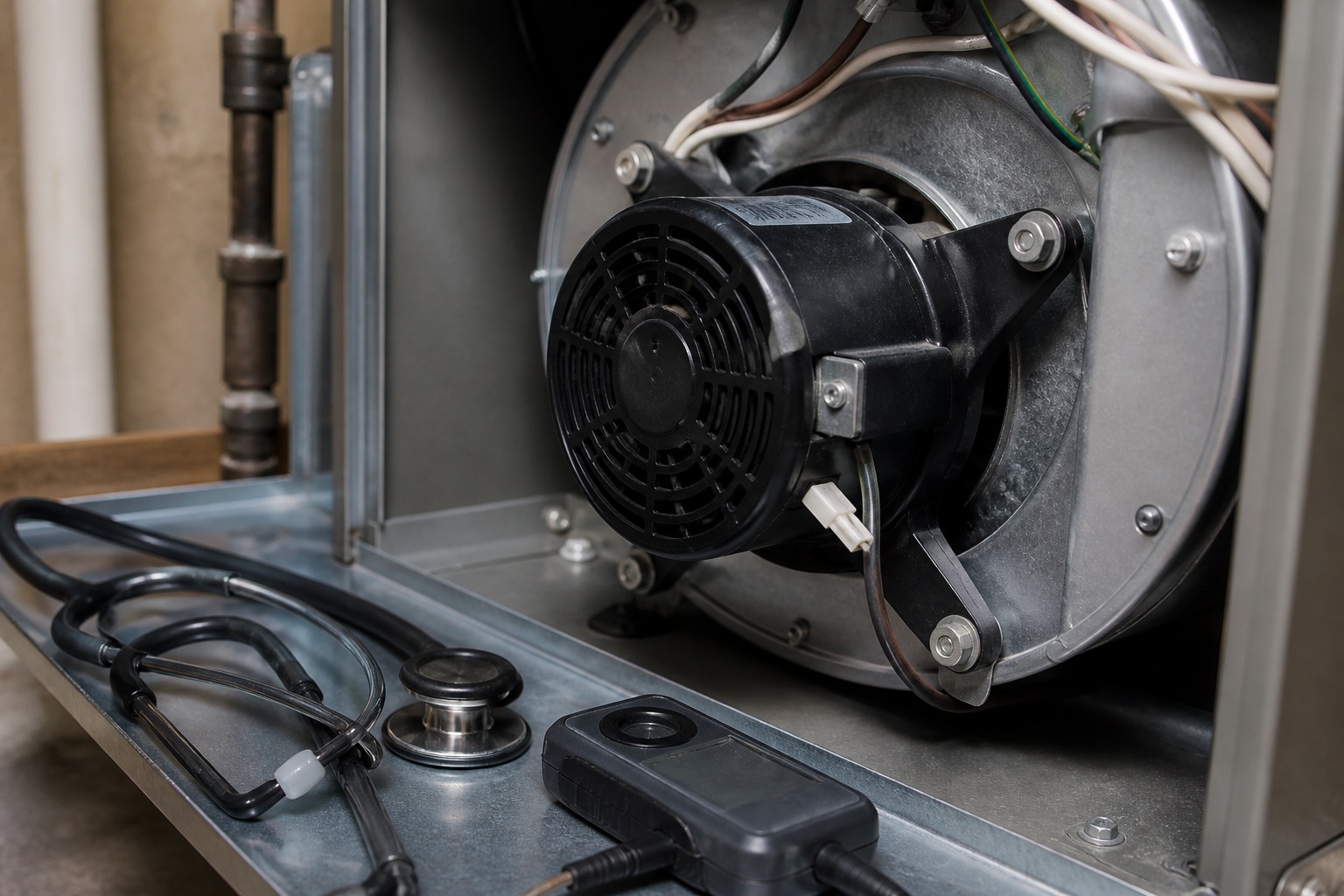
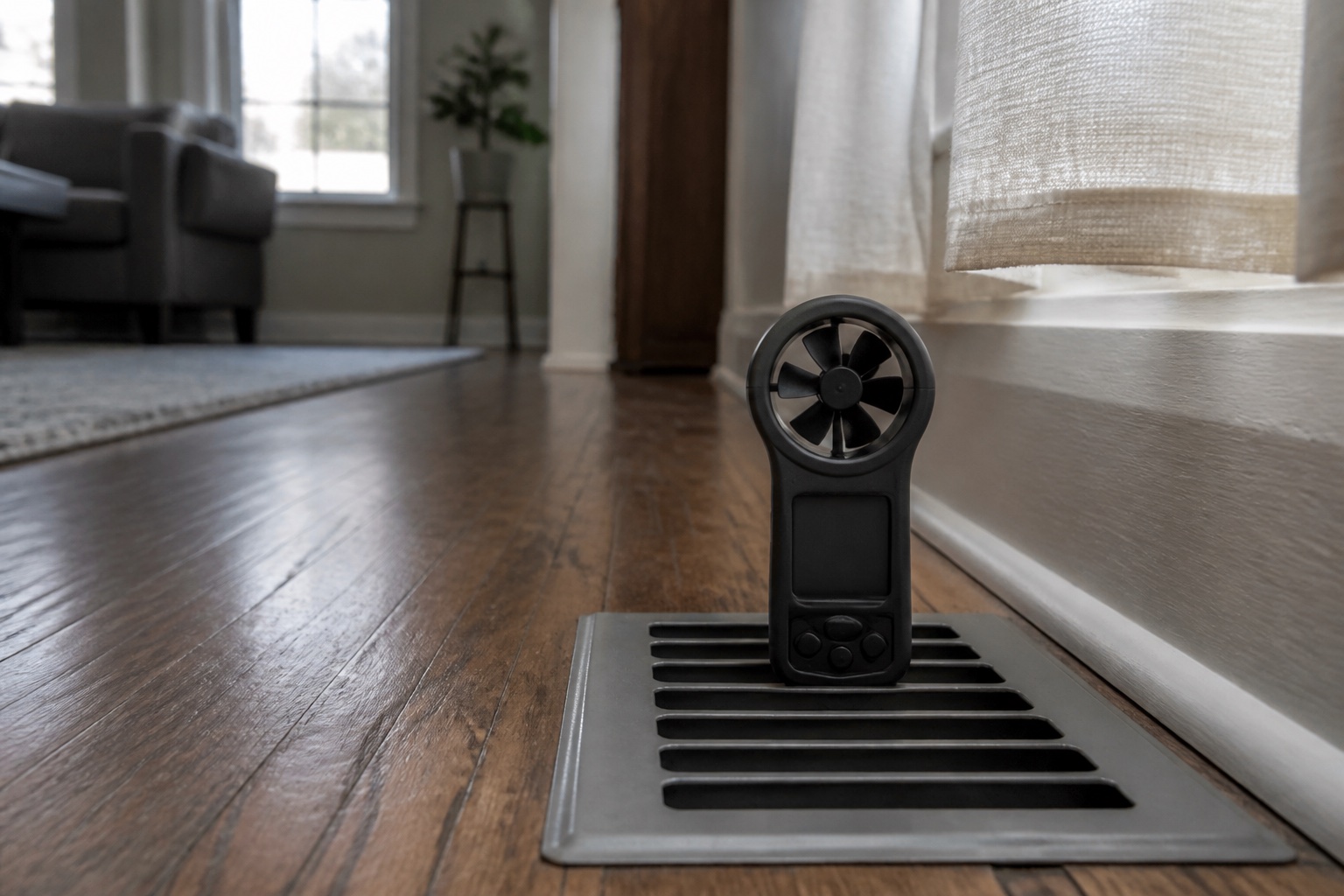
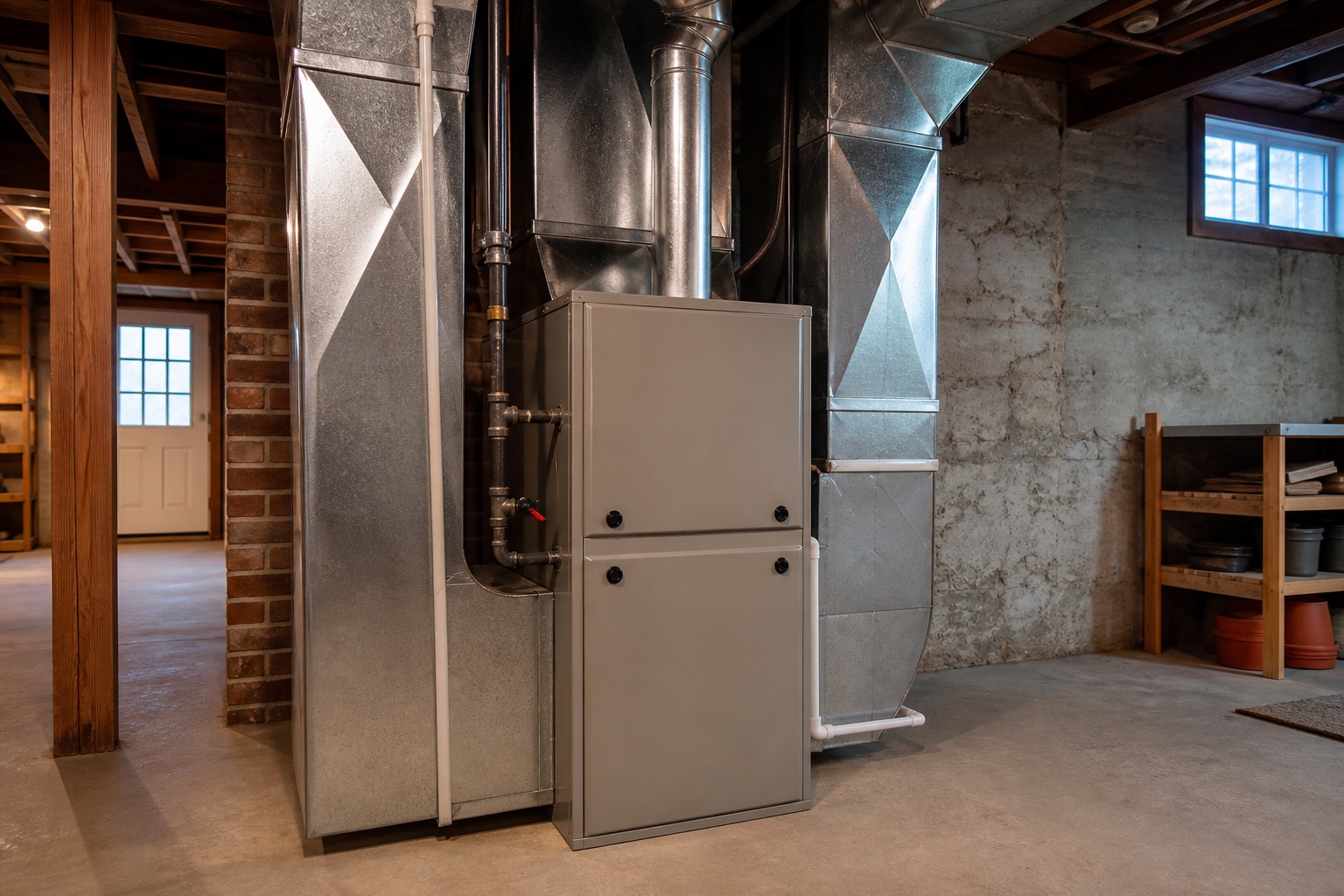
HVAC Angel provides furnace maintenance in Seattle for gas, electric, and high-efficiency forced-air systems. We inspect accessible heat exchanger surfaces and venting, clean burners and flame-sensing components as needed, test the thermostat, ignition sequence, blower, airflow, electrical components, condensate drainage, and safety controls, then document what is operating normally and what needs attention.
We service the heating system as a connected sequence: thermostat call, heat production, venting, electrical controls, blower operation, airflow, safety response, and shutdown.
Seattle's long cool season asks a furnace to cycle through damp fall mornings, colder winter nights, and frequent shoulder-season starts and stops. Months of light use can hide a loaded filter, a slow condensate drain, oxidized flame-sensing surfaces, blower buildup, or an electrical component moving out of specification. Maintenance gives us a planned window to inspect, clean, test, and measure before a small issue becomes a no-heat call.
The home changes the checklist. An older Ballard craftsman with retrofit ductwork can have very different return-air and static-pressure conditions from a newer townhome with a condensing furnace and PVC venting. If central AC uses the same blower, filter, and ducts, summer operation also counts. We explain those system-specific findings without turning ordinary wear into a sales pitch.
Furnace Maintenance That Cleans, Tests and Measures
The exact checklist follows the fuel type, furnace design, installation, and conditions we find. These four areas cover the heating and air-moving sides of most residential forced-air systems without pretending every model needs the same adjustments.
Burner, Ignition and Flame-Sensing Care
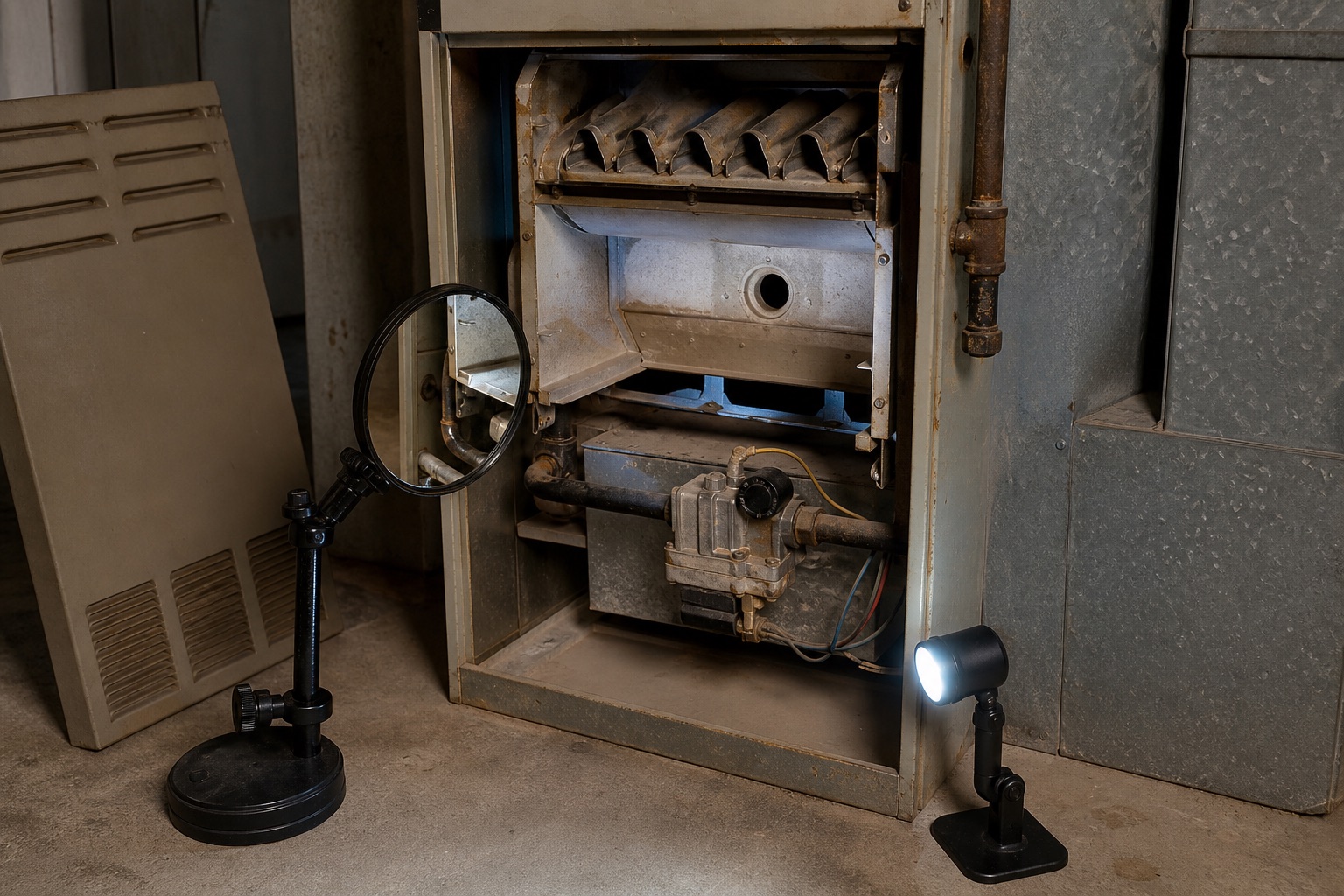
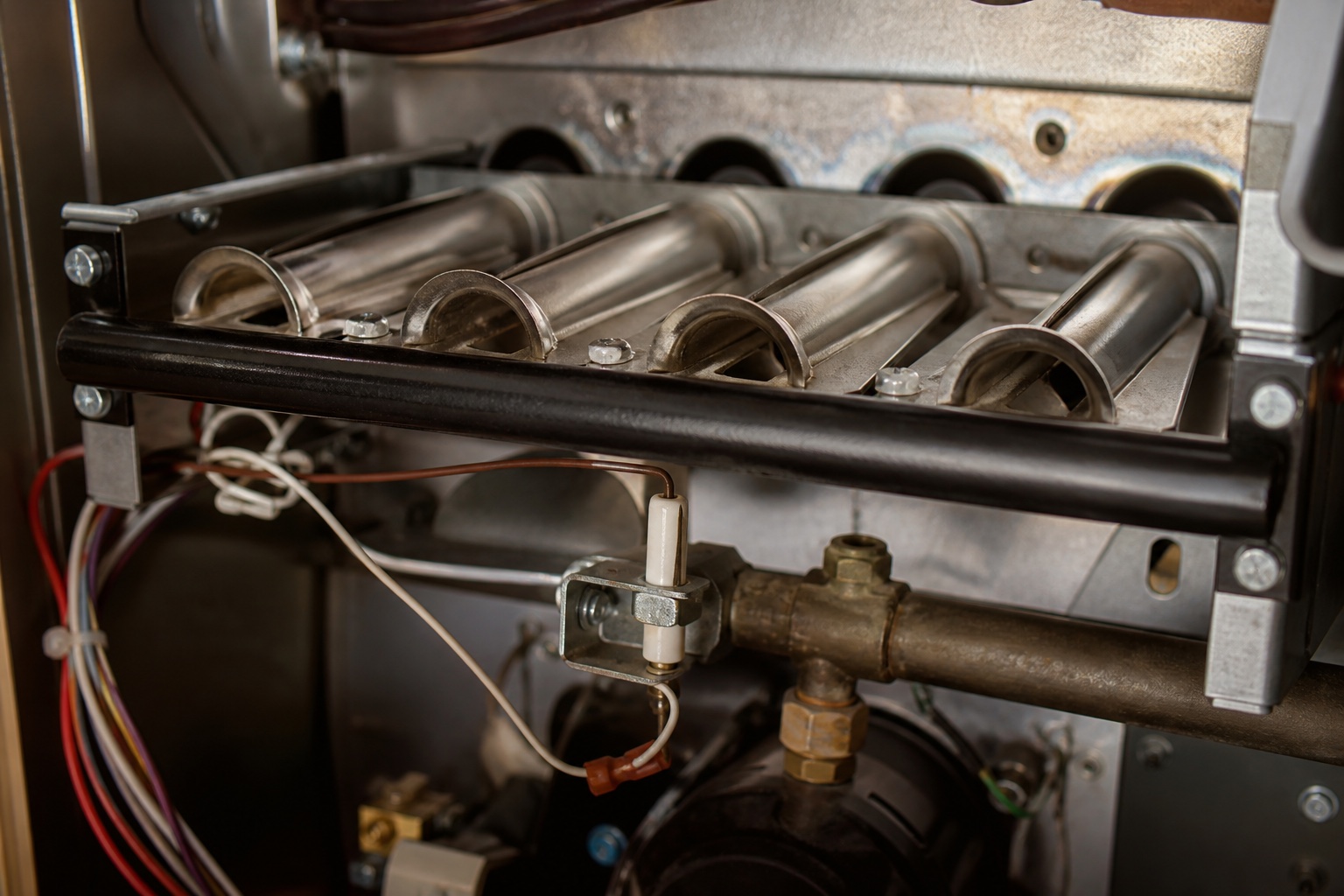
For a gas furnace, we observe the startup sequence and inspect accessible burners, ignition components, flame sensor, gas connections, and flame characteristics. Normal buildup is cleaned where appropriate. We do not replace an igniter, flame sensor, or other part simply because it is included on a tune-up list; measurements and condition determine whether a repair should be discussed.
Heat Exchanger, Venting and Safety Checks
We inspect visible and accessible heat exchanger areas, the flue or intake and exhaust arrangement, pressure-switch operation where applicable, and furnace safety controls. A maintenance visit cannot make hidden damage impossible, but it can identify corrosion, venting concerns, abnormal operation, or a safety-control fault that deserves a focused diagnosis.
Filter, Blower and Airflow Evaluation
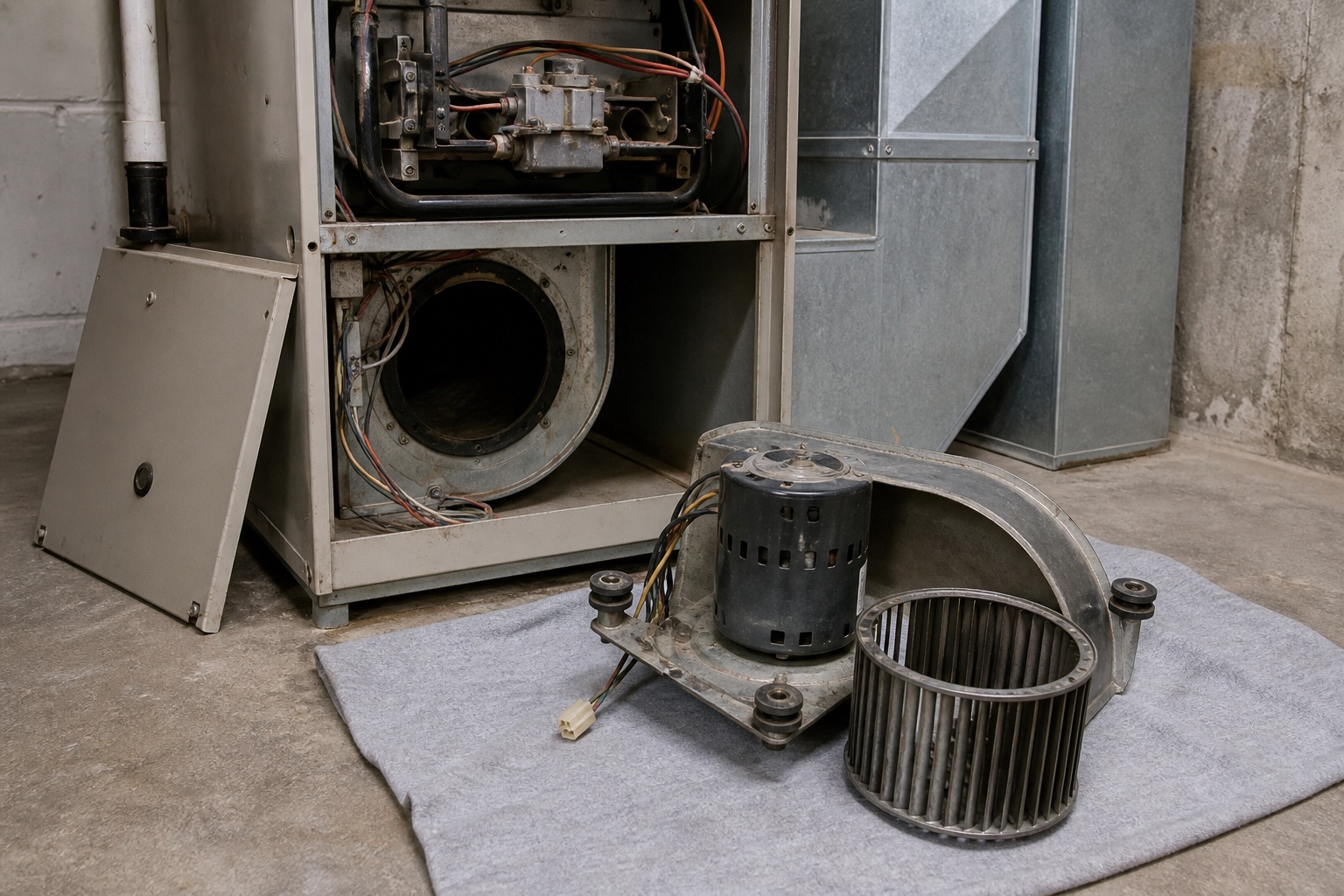
The furnace must move the right amount of air through the filter, return, blower, heat exchanger, supply ducts, and registers. We check filter condition and fit, blower operation, visible wheel buildup, motor condition, temperature rise, and airflow indicators such as static pressure when the system and scope call for it. Heavy blower cleaning is quoted separately if disassembly is required.
Electrical, Control and Condensate Testing
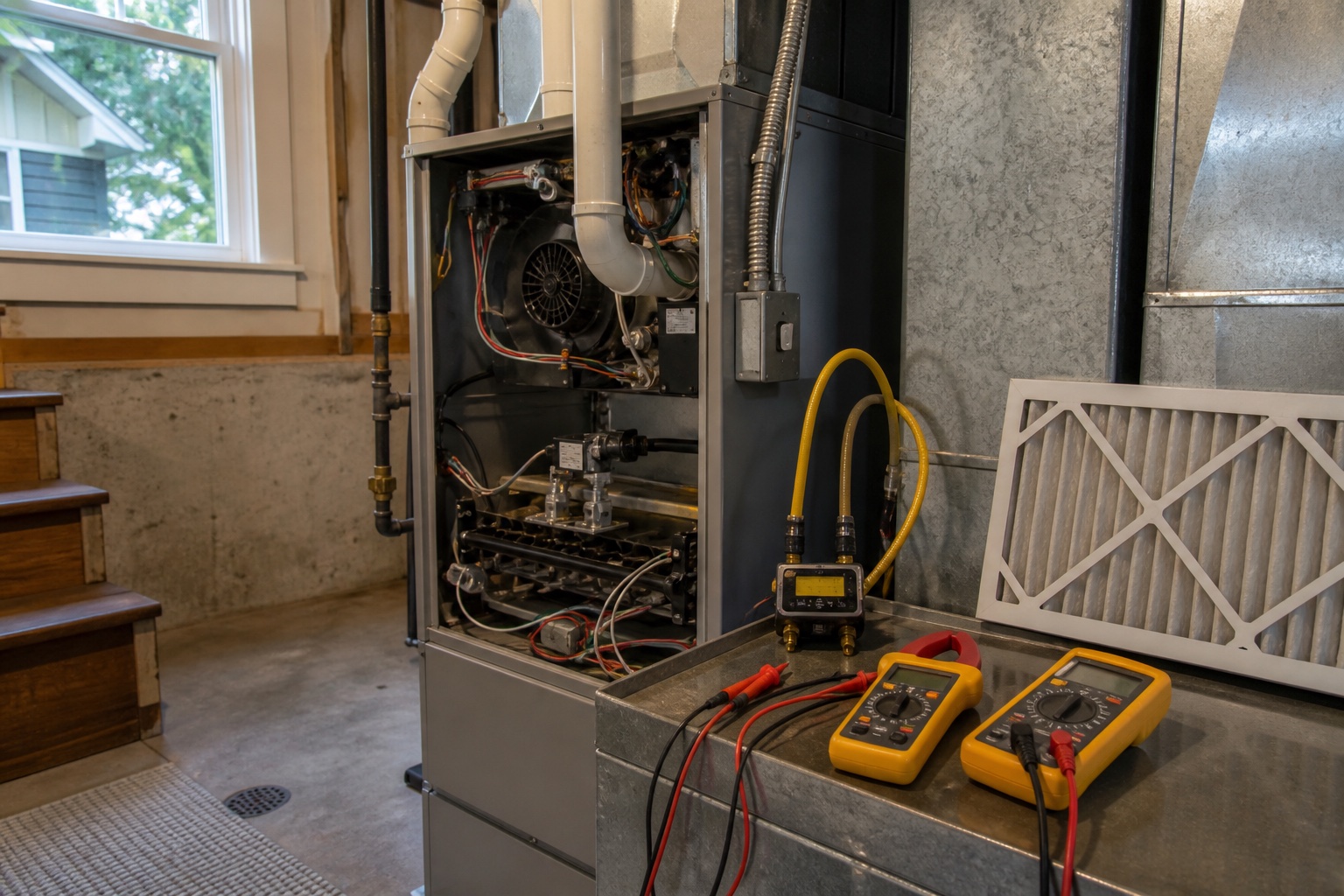
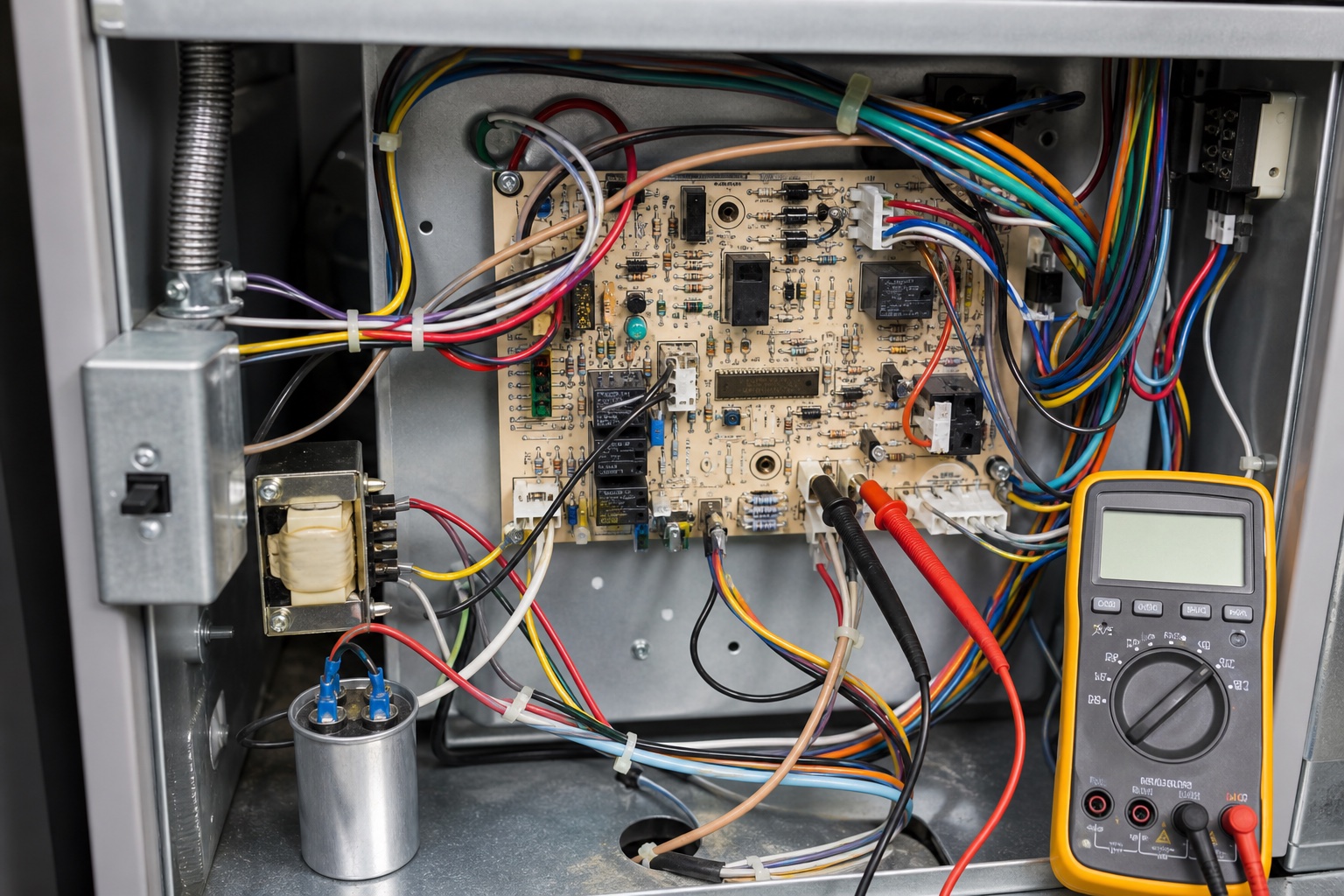
We check the thermostat call, control board response, accessible wiring, electrical connections, motors, capacitors where used, and the full sequence of operation. On high-efficiency condensing furnaces, we also inspect the accessible condensate trap and drain path. Relevant voltage, amperage, capacitance, and control readings help separate normal operation from a developing fault.
When to schedule
When Furnace Maintenance Is Worth Scheduling
Maintenance is planned care for an operating furnace. These conditions make a tune-up timely, but no heat, a recurring shutdown, gas odor, smoke, an electrical trip, or a carbon monoxide alarm calls for repair or emergency help.
01It Has Been About a Year Since Professional Service
Annual professional furnace maintenance is a practical baseline and aligns with guidance from Seattle City Light and the U.S. Consumer Product Safety Commission for fuel-burning heating equipment. Early fall is convenient, but the calendar matters less than keeping a consistent record and following the furnace manufacturer's instructions.
02The Furnace Service History Is Unclear
A recent move, missing service labels, or incomplete seller records can leave you unsure about filters, prior repairs, or the last safety check. A documented maintenance visit establishes the equipment type, visible condition, operating sequence, filter details, and items that should be monitored without assuming the system needs replacement.
03Airflow or Room-to-Room Comfort Has Changed
A loaded filter, blower buildup, closed registers, duct restrictions, or the distribution limits of older retrofit ductwork can change how heat reaches the house. We evaluate airflow and temperature rise before blaming the furnace alone. Persistent cold rooms can also involve insulation, duct leakage, or balancing that routine furnace maintenance cannot fully correct.
04The First Fall Startup Sounds or Smells Different
A brief dusty smell at first startup may clear, but ongoing burning odors, scraping, grinding, booming ignition, or a new vibration need attention. Mild changes can be evaluated during maintenance if the furnace is otherwise operating. Shut the system off and request repair when noise or odor is strong, persistent, electrical, or accompanied by smoke.
05The Furnace Blower Also Worked Through Cooling Season
Many Seattle central air systems use the furnace blower and the same filter and ducts for both heating and cooling. After a smoky, dusty, or heavily used summer, the indoor equipment may already have substantial run time before heating season begins. A fall visit checks the shared air-moving components instead of viewing the furnace as winter-only equipment.
Heating equipment
Furnaces We Maintain in Seattle Homes
Tell us whether the furnace is gas or electric, where it is located, and whether it is standard or high efficiency when scheduling. That lets us plan the visit around the actual equipment instead of forcing every home through the same checklist.
Gas Furnaces
Read more→
Gas Furnaces
Gas furnace maintenance covers combustion and ignition components, the visible heat exchanger, burners, flame sensing, gas connections, venting, blower, filter, thermostat, controls, safety devices, and operating performance. Checks are matched to the furnace design rather than applied as a generic list.
Electric Furnaces
Read more→
Electric Furnaces
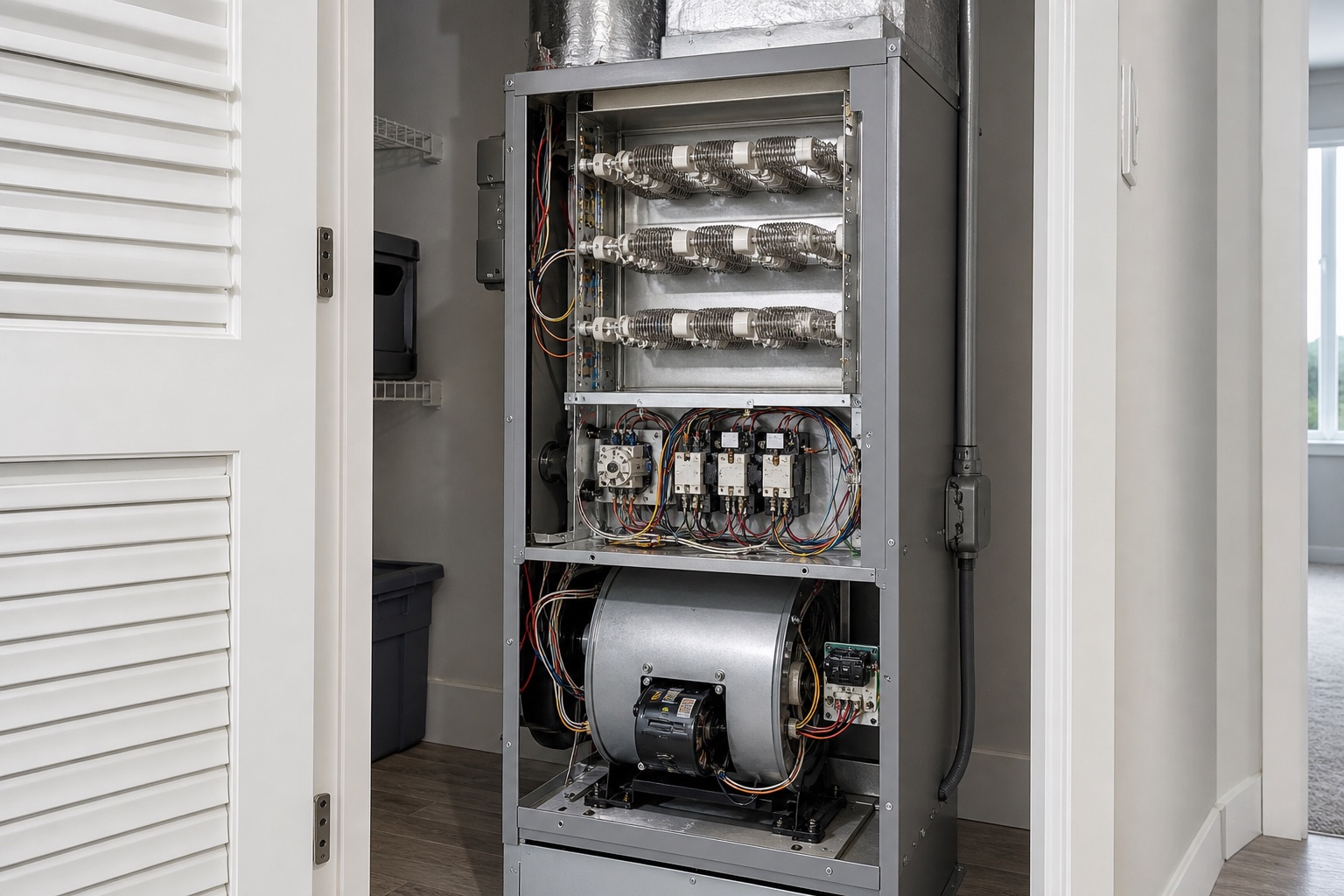
Electric furnaces do not have burners, a gas valve, or combustion venting, but they still need service. We inspect heat-strip staging, electrical connections, sequencers or relays, amperage, blower operation, filter condition, thermostat response, safety limits, and temperature rise as appropriate to the equipment.
High-Efficiency and Variable-Speed Furnaces
Read more→
High-Efficiency and Variable-Speed Furnaces
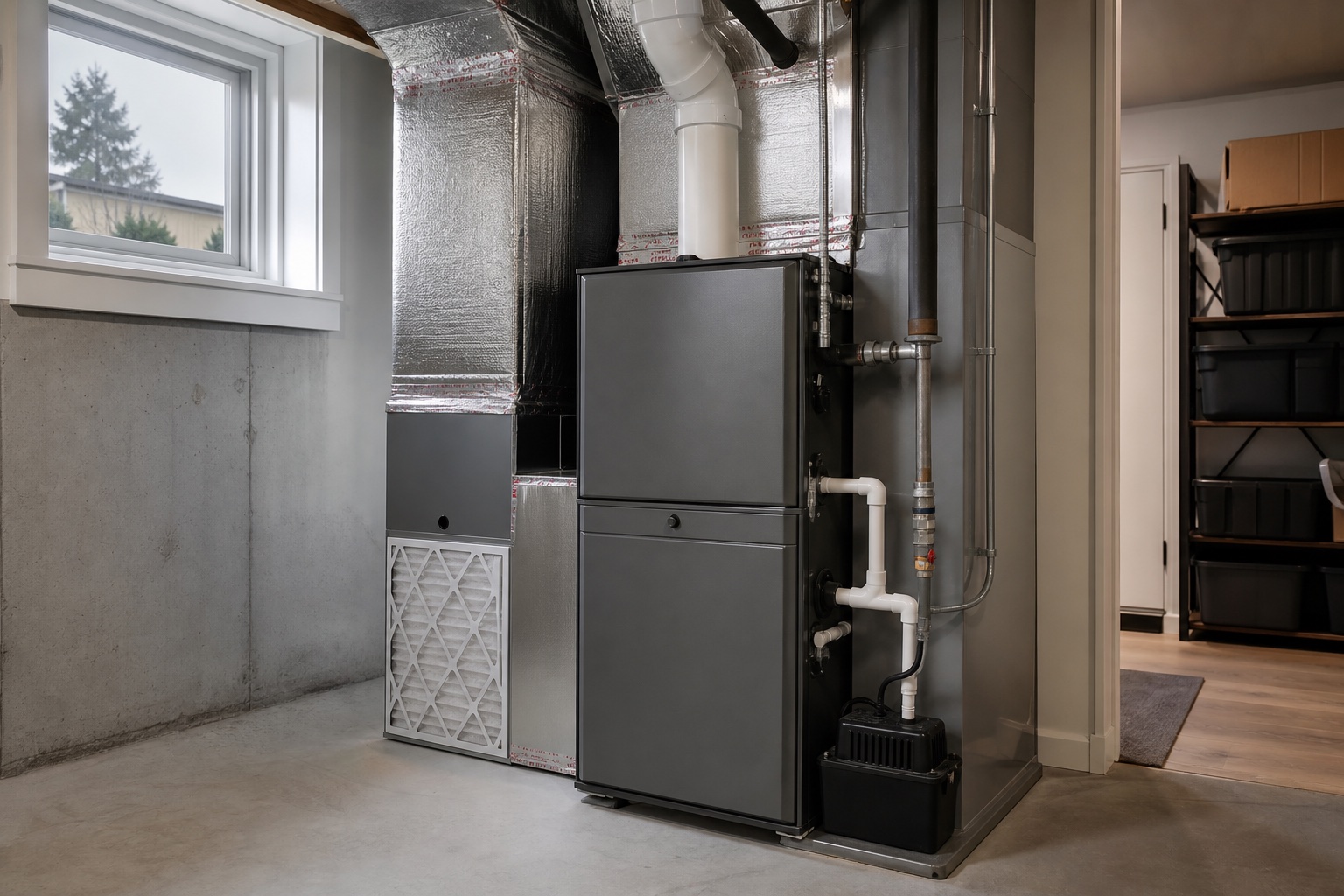
Condensing and variable-speed furnaces add components such as intake and exhaust piping, condensate traps and drains, pressure switches, communicating controls, and ECM blower motors. Their maintenance needs differ from a basic single-stage furnace, particularly where drainage, vent termination, fault history, and airflow setup are concerned.
Choose the right visit
When to Book Maintenance and When to Book Repair
A tune-up is planned preventive work on an operating system. Repair starts with an active fault. Booking the right visit gives the technician the right time, tools, and expectations before arriving.
Book Furnace Maintenance When
01The furnace is operating and you want a seasonal check
02It has been about a year since professional service
03You recently moved in and the service history is unclear
04You want operating measurements and documented findings
05The filter or shared blower worked through cooling season
06You want to prepare before sustained fall and winter use
Book Furnace Repair When
01The furnace will not start or produces no heat
02A breaker trips, fuse opens, or shutdown keeps repeating
03You smell gas, see smoke, or a CO alarm activates
04Ignition booms, the blower grinds, or vibration is severe
05Water is leaking from a condensing furnace or drain
06An error code or confirmed component fault is present
Seattle safety note: Seattle City Light recommends checking filters and scheduling annual maintenance. The U.S. Consumer Product Safety Commission also recommends yearly professional inspection of fuel-burning furnaces, chimneys, flues, and vents. Review the current Seattle City Light heating guidance and CPSC home-heating guidance.
We connect inspection and cleaning to a complete operating test, then explain the results. You should know what was checked, what is normal, and what requires a separate decision.
01
Review
Review the Furnace and Its Service History
We identify the furnace type, age, filter arrangement, thermostat, recent repairs, and last known maintenance. We also ask about startup behavior, odors, noise, cycling, airflow, room comfort, and any fault codes. That context tells us where to look more closely and whether the visit is still maintenance or should become a repair diagnosis.
02
Inspect
Inspect the Furnace, Venting and Air Path
After making the equipment safe to access, we inspect the cabinet, filter, blower area, visible heat exchanger surfaces, burners or electric heat components, wiring, venting, and condensate system where applicable. We look for buildup, corrosion, heat damage, loose connections, drainage issues, and installation conditions that affect operation.
03
Service
Clean and Adjust Normal Maintenance Items
We clean accessible burners, flame-sensing components, and cabinet buildup as condition and equipment allow, check the filter, and address normal maintenance items included in the approved scope. Work that requires major disassembly, specialized remediation, a replacement part, or a separate repair is explained before it is added.
04
Test
Run the Furnace and Record Operating Conditions
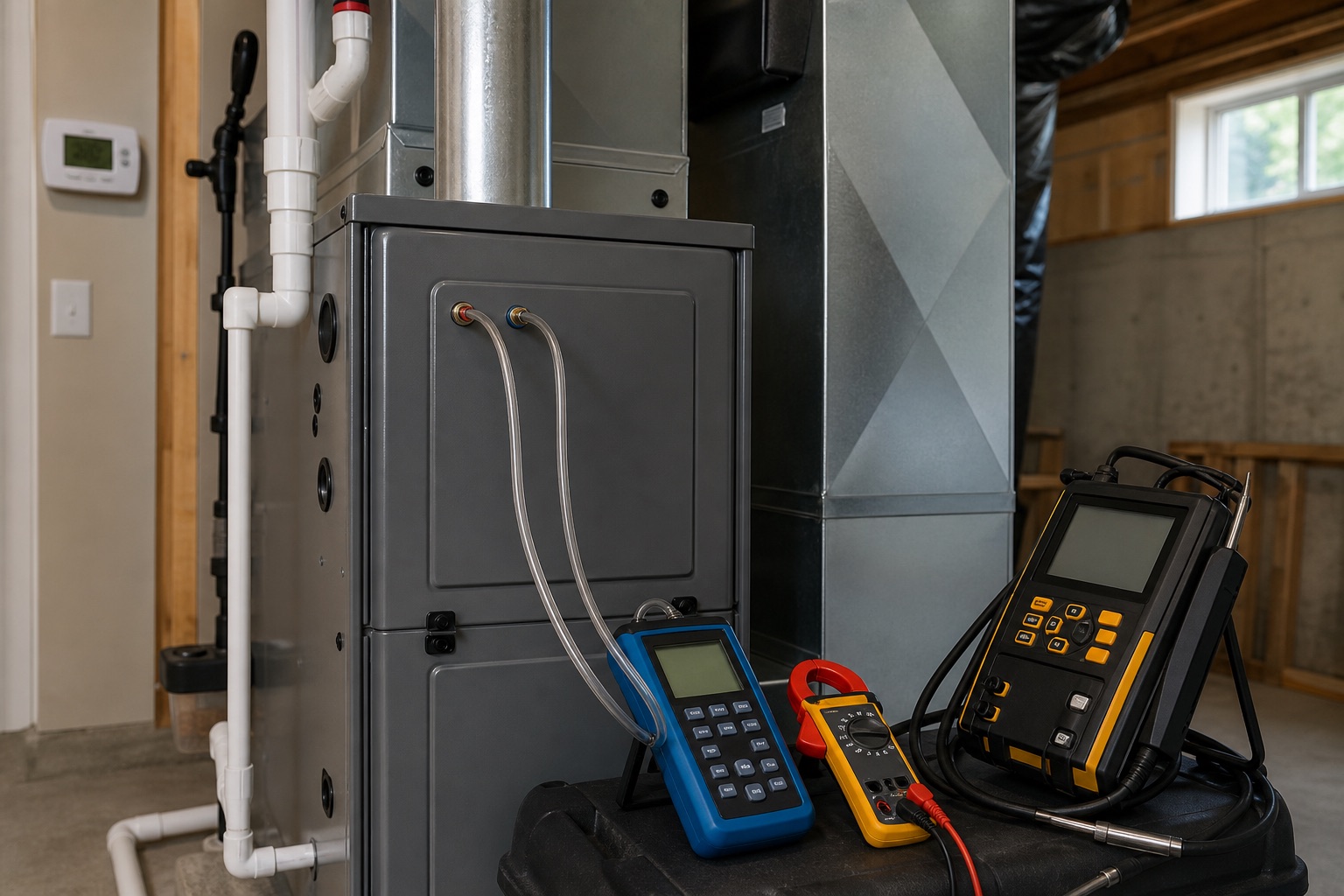
We call for heat and observe the sequence from thermostat signal through ignition or heat staging, blower startup, heating cycle, and shutdown. Relevant checks can include temperature rise, static pressure, voltage, amperage, capacitance, flame-sensor signal, gas pressure, condensate flow, and safety-control response, depending on the furnace and visit scope.
Explain
Explain Findings and Separate Repairs
We tell you what is operating normally, what needs monitoring, and what warrants repair. Any work outside the maintenance scope is explained and priced separately before it proceeds. You also get practical guidance on filter size and interval, thermostat use, clear return and supply registers, and the symptoms that should prompt a service call.
Ready to prepare your furnace for Seattle's colder months?
Why Seattle Homeowners Choose Us for Furnace Maintenance
We inspect the complete heating sequence, document furnace-specific findings, and keep any repair outside the maintenance scope as a separate decision.
A useful tune-up follows the furnace from the thermostat call through heat production, blower operation, temperature delivery, and shutdown. That complete sequence matters before Seattle's sustained fall and winter heating demand.
Repairs Stay a Separate Decision
If testing uncovers a failing component or safety concern, we show you the finding and explain the repair before additional work begins. Maintenance should not turn into an open-ended invoice.
Safety Claims Stay Evidence-Based
Visible corrosion, abnormal flame, venting concerns, fault history, and safety-control operation are documented. We do not use a vague tune-up finding to pressure you into replacing an operating furnace.
A Practical Homeowner Handoff
We explain filter access, thermostat use, return and supply airflow, and the signs that should trigger a repair call. If the furnace blower also serves central AC, we account for that shared Seattle-season workload.
Reviews
What Seattle customers say
Customers mention clear explanations, practical recommendations, and HVAC work
completed without unnecessary pressure.
Our AC suddenly stopped keeping the house cool even though the unit was still running. I called HVAC Angel to check it out before things got worse. Michael inspected both the indoor and outdoor parts of the system and quickly found the problem. It turned out to be a small part that had worn out over time. He replaced it, tested the system, and made sure everything was working properly before leaving. The AC kicked back in right away and the house cooled down within the hour. Huge relief, especially with warmer days coming up.
“★★★★★
Our old AC finally gave up after years of patchwork repairs, so we decided to move forward with a full replacement. HVAC Angel made the process simple and clear from the first visit. Michael checked the existing setup, explained what size system made sense for our home, and gave a straightforward quote. No sales pressure, just facts. The installation team arrived on time, removed the old unit, and had the new AC up and running without any chaos. It is noticeably quieter and cools the house much faster than before.
“★★★★★
I am based in downtown Seattle and was having a hard time finding a reliable HVAC contractor for a full system replacement. Most of the quotes I received were honestly mind blowing. I found HVAC Angel through a recommendation in a local Facebook community and called them expecting another high number. Michael came out, assessed the setup properly, and gave a quote that actually made sense. When I compared it with the other bids, I realized I was saving around $2,100, which is significant. They completed the HVAC replacement in two days and kept everything organized throughout the process.
Furnace Maintenance Seattle FAQs
Furnace maintenance cost in Seattle depends on whether the equipment is gas or electric, the furnace design, access, condition, service history, and the checklist included. A basic single-stage furnace and a high-efficiency communicating system do not require identical work. Ask whether cleaning, operating measurements, safety checks, vent and condensate inspection, and a clear explanation of findings are included. HVAC Angel confirms the maintenance scope first and prices any repair separately.
A useful furnace tune-up should identify the equipment, review service history, inspect accessible heating and air-moving components, clean normal buildup where needed, and run the complete heating sequence. Depending on the system, checks can include the thermostat, filter, blower, burners or electric heat strips, ignition, flame sensor, visible heat exchanger areas, venting, condensate drainage, electrical readings, temperature rise, airflow, gas pressure, and safety controls. The technician should explain findings and obtain approval before adding repair work.
Late summer or early fall is convenient because the furnace can be checked before Seattle's sustained heating season and before no-heat demand peaks. Maintenance is still useful later if the system is operating normally, so missing the fall window is not a reason to skip it. If the furnace already will not start, repeatedly shuts down, trips a breaker, leaks water, smells like gas, or triggers a carbon monoxide alarm, book repair or emergency help instead of routine maintenance.
Annual professional maintenance is a sensible baseline for most residential furnaces and is consistent with Seattle City Light's general heating guidance. The U.S. Consumer Product Safety Commission also recommends yearly professional inspection of fuel-burning heating systems, including furnaces, chimneys, flues, and vents. Follow the equipment manufacturer's instructions and any warranty requirements. Filter checks may be needed more often based on run time, pets, smoke, remodeling dust, filter type, and whether the furnace blower also serves central air conditioning.
Appointment length depends on furnace type, condition, accessibility, service history, and the measurements required. An accessible, regularly maintained single-stage furnace usually takes less time than a condensing, communicating, or poorly documented system. Heavy buildup, a blocked condensate trap, difficult attic or crawlspace access, or a fault that needs separate diagnosis can extend the visit. We plan the appointment around the equipment details you provide rather than promising the same short window for every furnace.
The terms are commonly used interchangeably, so the service name matters less than the written scope. A worthwhile visit includes inspection, appropriate cleaning, a complete operating test, relevant measurements, safety checks, and a clear explanation of findings. A very short promotional tune-up may cover less. Compare what is actually checked, whether readings are taken, and whether repair recommendations are explained and priced separately.
Homeowners can check or replace the filter with the correct size and an appropriate rating, keep returns and supply registers open, avoid storing combustibles near the furnace, and notice changes in noise, odor, cycling, or airflow. You can also test smoke and carbon monoxide alarms according to their instructions. Do not adjust gas pressure, bypass safeties, open sealed combustion components, clean an energized blower, or attempt heat exchanger, vent, or electrical service without the proper training and tools.
No component should be replaced automatically just because a maintenance package names it. A flame sensor may need appropriate cleaning, while an igniter, capacitor, motor, or other part should be evaluated by condition, specification, and relevant measurements. Some failures are sudden and cannot be predicted, but a technician should be able to explain the evidence behind a preventive replacement recommendation. If a part is outside the maintenance scope, you should receive the repair option and price before work proceeds.
Maintenance can correct normal buildup, restricted airflow, loose connections, drainage problems, or setup issues, and it can identify some developing faults before a shutdown. It cannot guarantee a lower bill or prevent every breakdown. Weather, thermostat settings, insulation, duct losses, utility rates, equipment age, and unpredictable component failure also affect cost and reliability. The practical value is verified operation, current condition, and a chance to address evidence-based concerns before heavier use.
Yes. New equipment still has filters, blowers, controls, drains, venting, connections, and operating conditions that should be checked. Annual records can also matter for manufacturer warranty terms, although requirements vary by brand and model. Keep invoices and condition reports, follow the installation and owner's manuals, and ask the installer or manufacturer what documentation is required. Maintenance is not the same as a warranty repair, and it does not extend coverage unless the warranty specifically says so.
Whole-home duct cleaning is normally a separate service and should not be assumed to be part of a furnace tune-up. Maintenance can include checking the filter, visible return and supply connections, blower area, airflow, and accessible dust buildup around the equipment. If the ducts have visible debris, contamination, construction dust, pest evidence, or a specific airflow problem, the technician can explain whether inspection, sealing, balancing, or cleaning is the more appropriate next step.
The technician should explain the finding, show the available evidence where practical, describe the consequence of waiting, and provide a separate repair price before proceeding. Urgent safety concerns may require the furnace to remain off until corrected, while a worn but operating component may simply need monitoring or a planned repair. You should not be surprised by an automatic part replacement or a replacement recommendation that is not connected to the furnace's measured condition.

 (206) 222-7194
 Licensed & insured
 Locally owned
 Service available 7 days