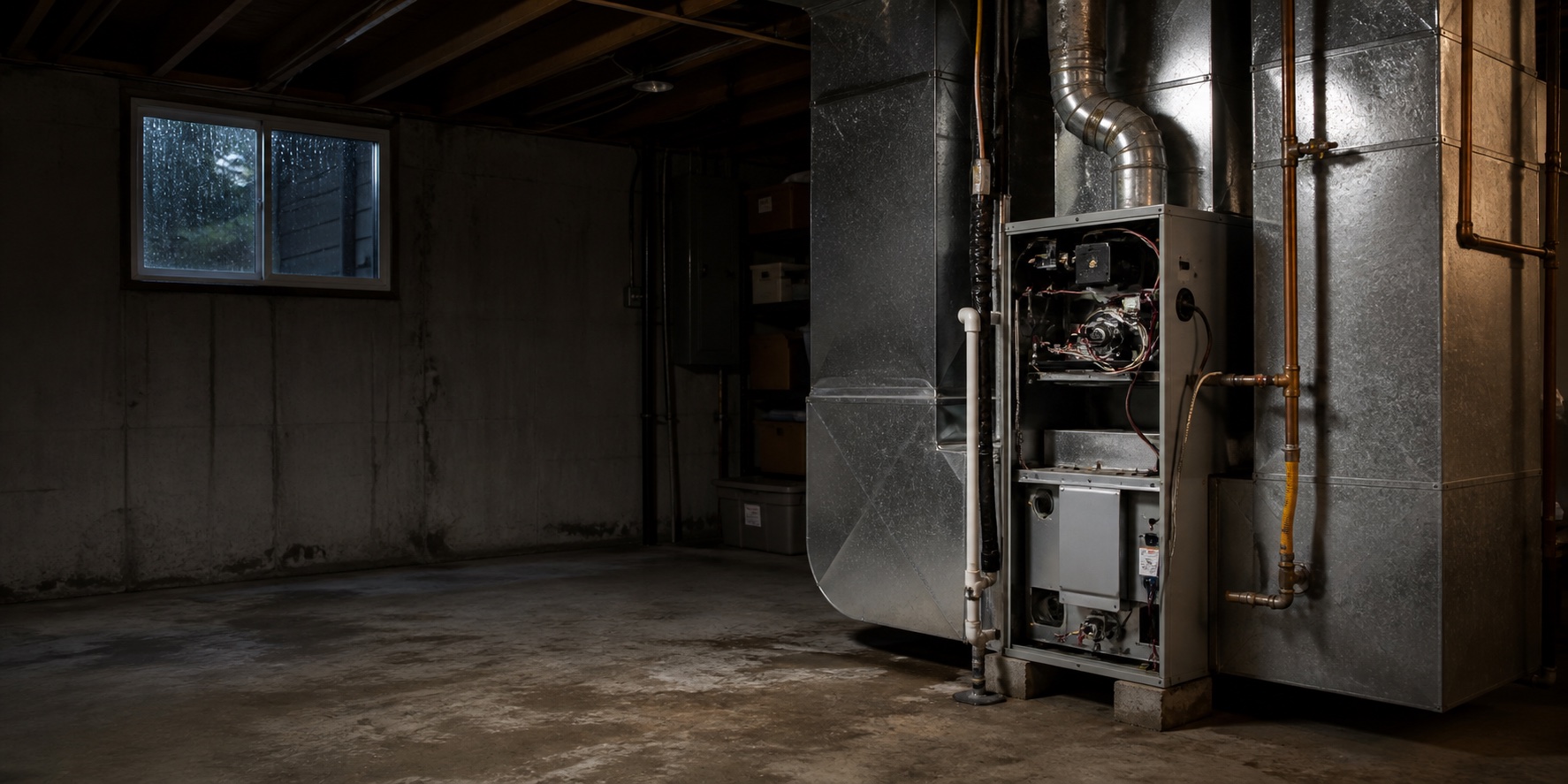
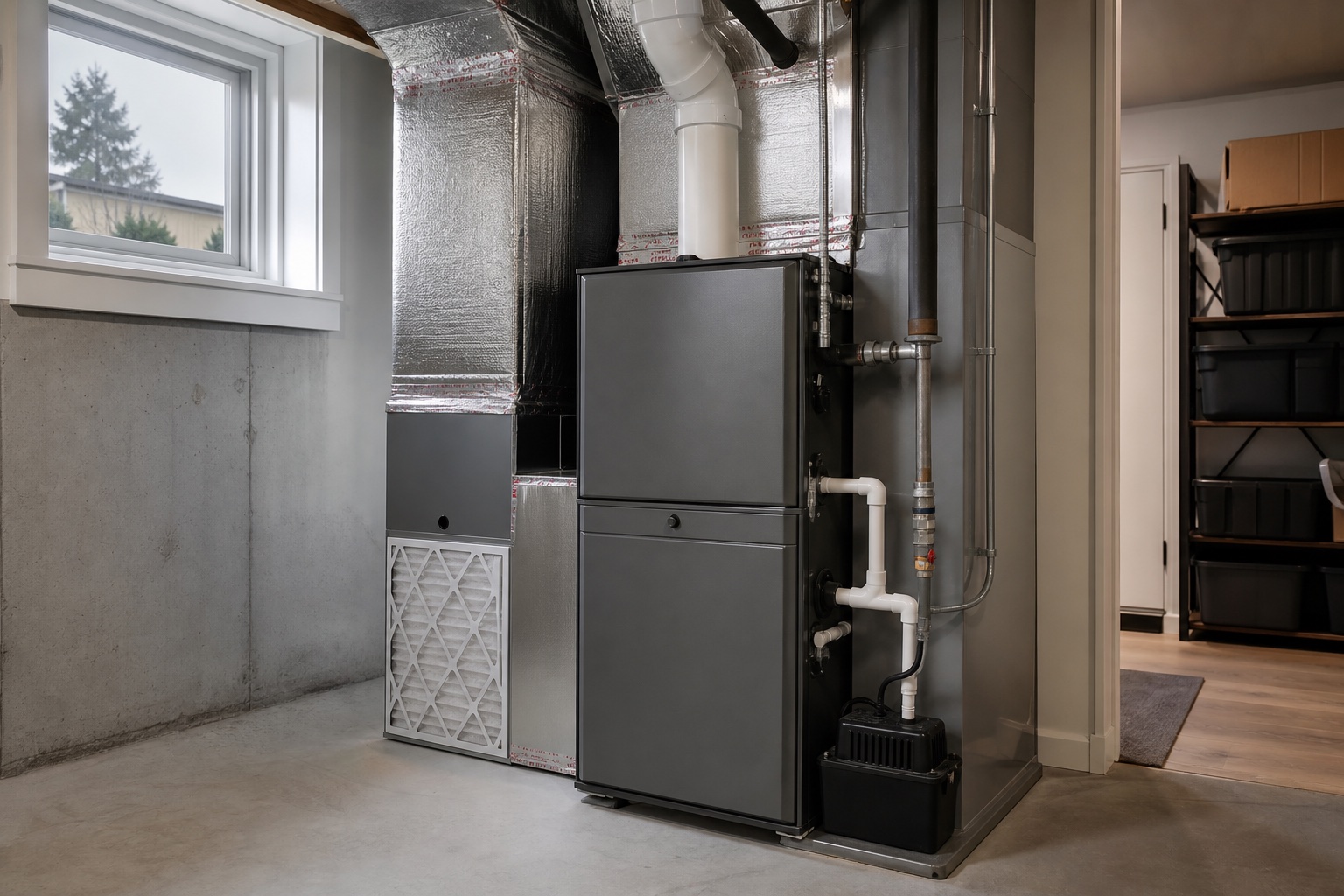
Open gas furnace in a rain-lit Seattle basement mechanical room

Seattle furnace repair since 2004

Furnace Repair in Seattle, WA

HVAC Angel provides furnace repair in Seattle for gas and electric forced-air heating systems that will not start, blow cold air, short cycle, or lose airflow. We test the thermostat, ignition sequence, flame sensor, inducer, pressure switches, blower, control board, heat exchanger, and safety controls, then explain the fault and repair price before work begins.

  • Licensed & insured
  • Locally owned
  • Service available 7 days
  • Trane
  • Carrier
  • Lennox
  • Mitsubishi Electric
  • Rheem
  • Daikin
  • Bryant
  • Goodman
  • American Standard
  • Bosch
  • Amana
  • York
  • Heil
  • Fujitsu

Diagnose the shutdown, not just the symptom

A Furnace Repair Should Explain Why the Heat Stopped

Seattle furnaces often sit through a mild off-season, then return to daily duty when cold, damp weather arrives. The first sustained call for heat can expose an igniter, flame-sensing, inducer, condensate, blower, thermostat, or control problem that did not appear while the system was idle.

We work through the furnace sequence and the connected air system. In an older craftsman basement, that may include original return paths and retrofit ductwork. In a newer townhome, it may involve a high-efficiency condensing furnace, variable-speed blower, tight utility access, and shared heating and cooling controls.

Safety comes first: If you smell gas or a carbon monoxide alarm sounds, leave the home and call the gas utility or emergency services from a safe location. Do not operate switches or restart the furnace. The U.S. Consumer Product Safety Commission recommends professional inspection of fuel-burning heating systems and working carbon monoxide alarms.

Schedule furnace repair
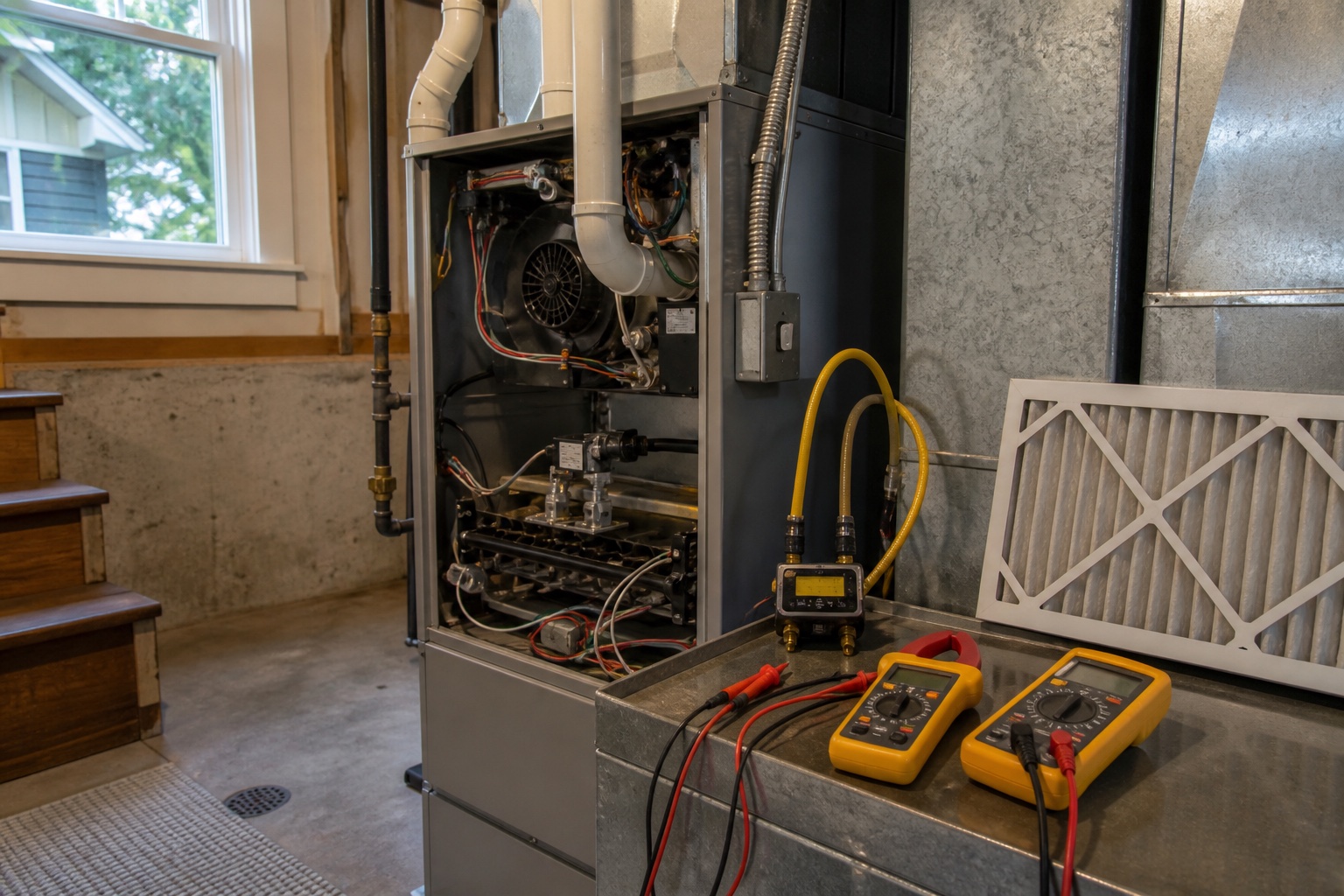
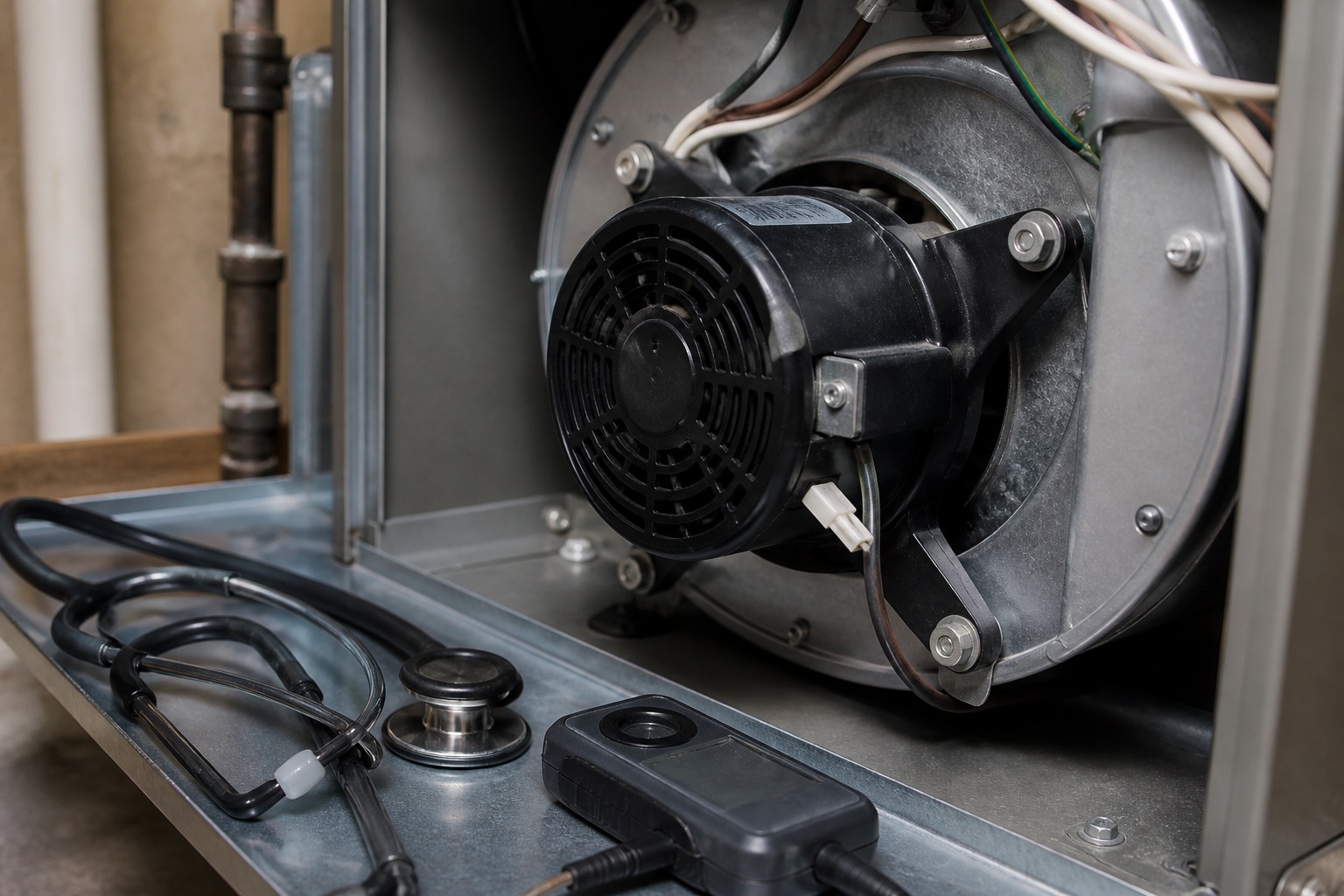
Open furnace with multimeter, manometer, filter, and diagnostic tools
2004
Established
4
Repair systems
7
Days available

What we diagnose and repair

Furnace Repairs Built Around the Complete Heating Sequence

One symptom can have several causes. We connect the thermostat, ignition or electric heat stage, airflow, venting, drainage, controls, and safety circuit before deciding what failed.

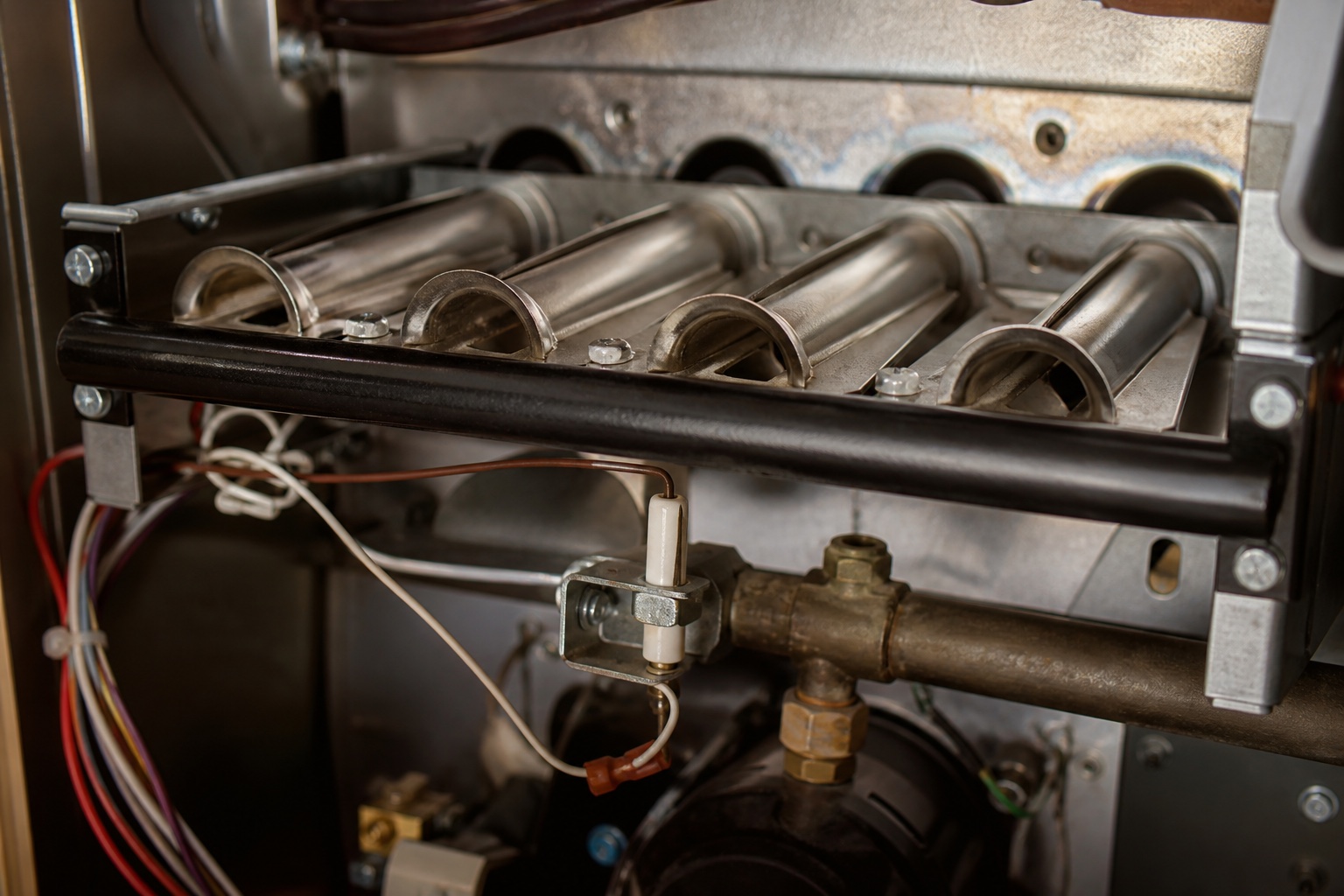
Residential furnace burner rack, igniter, and flame sensor prepared for diagnosis
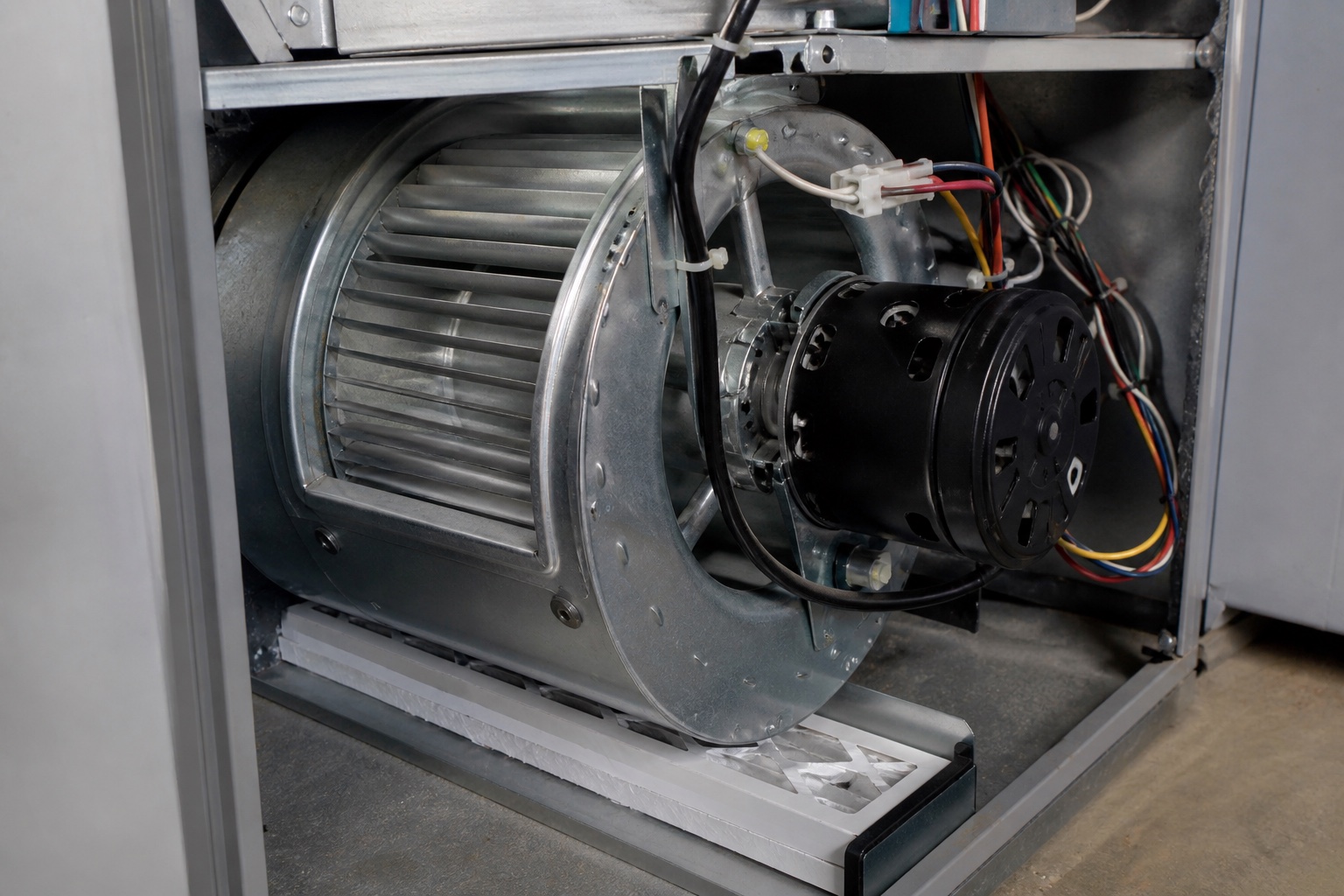
Furnace blower wheel and motor exposed for airflow and motor diagnosis
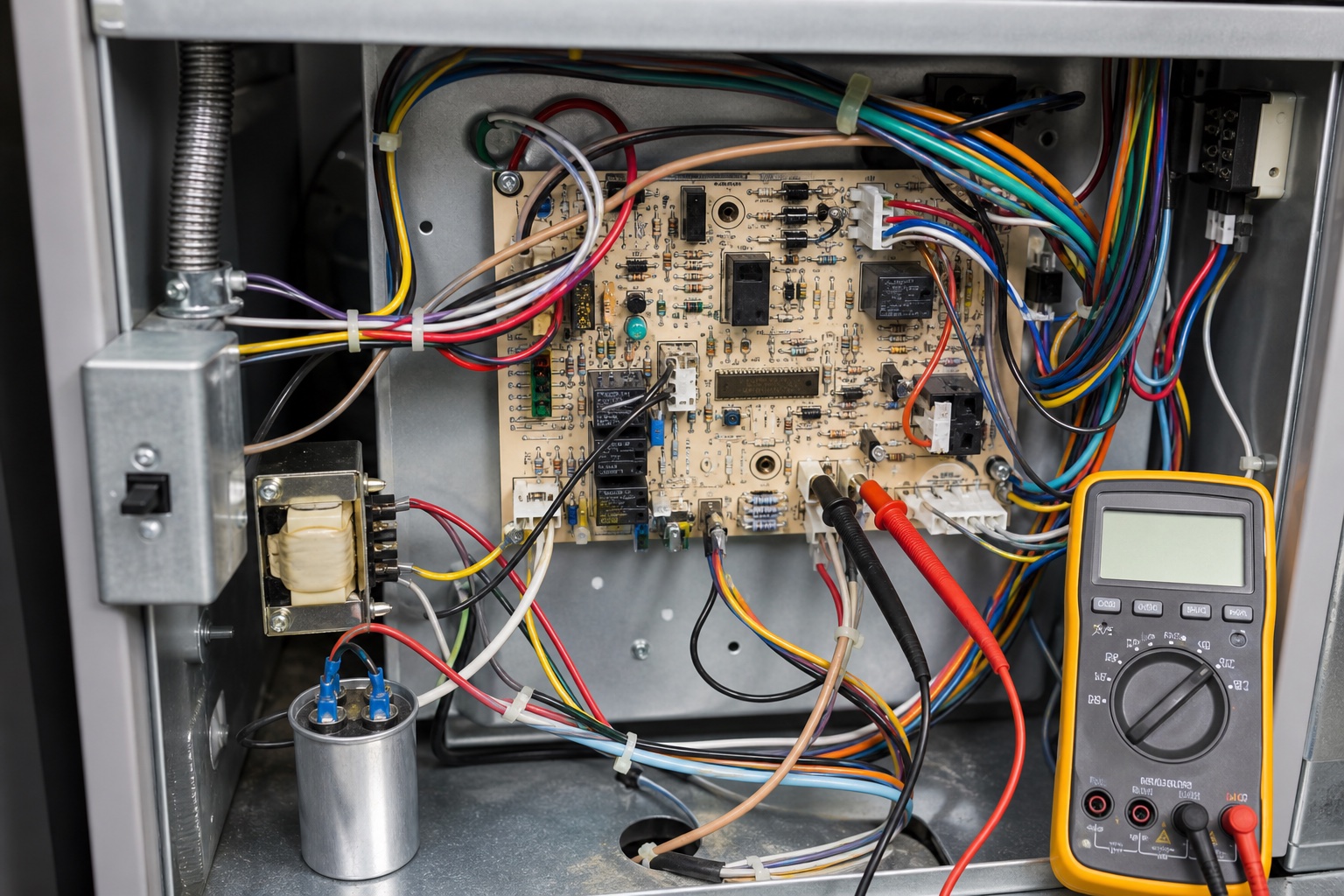
Furnace control board, transformer, wiring, capacitor, and multimeter during electrical diagnosis
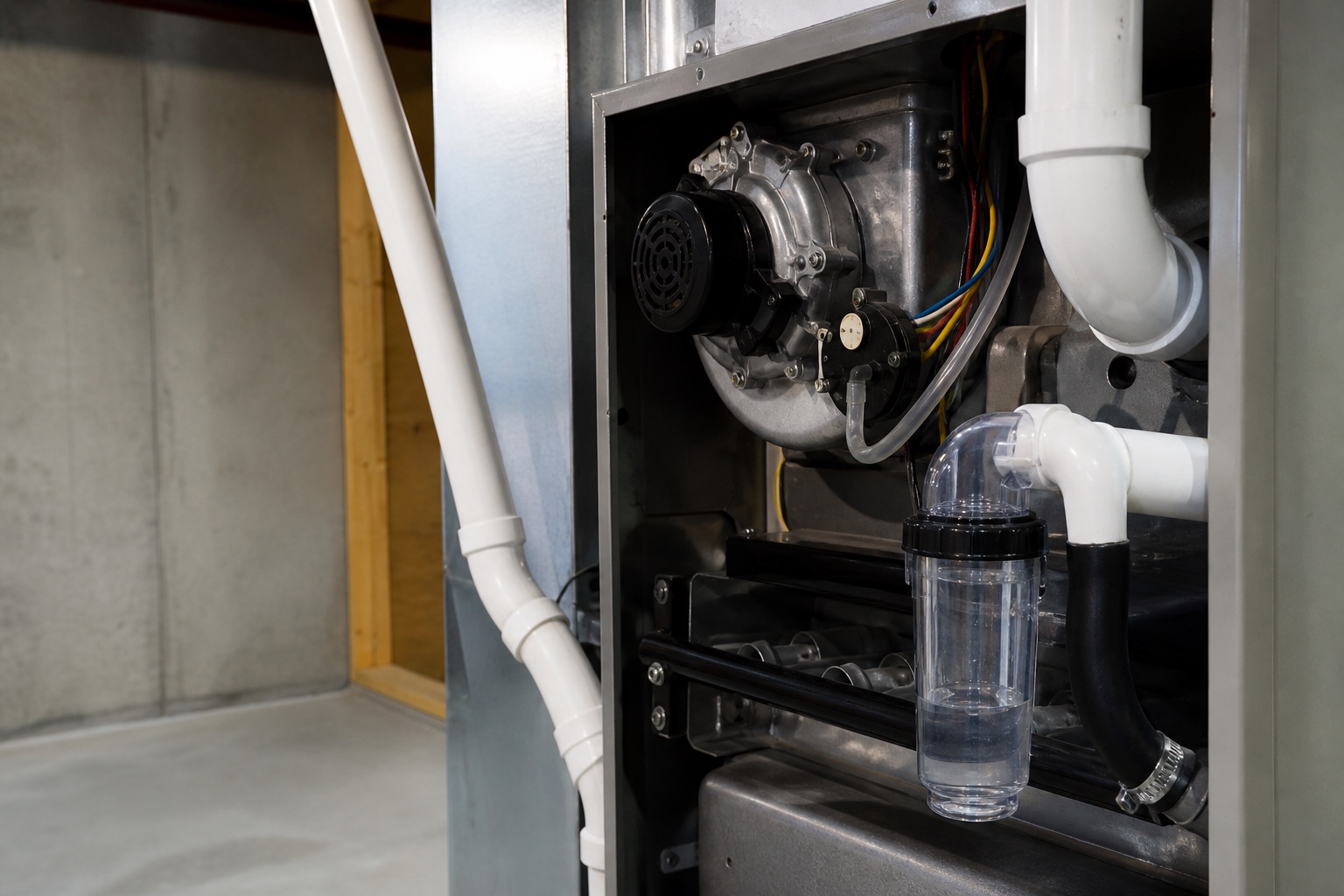
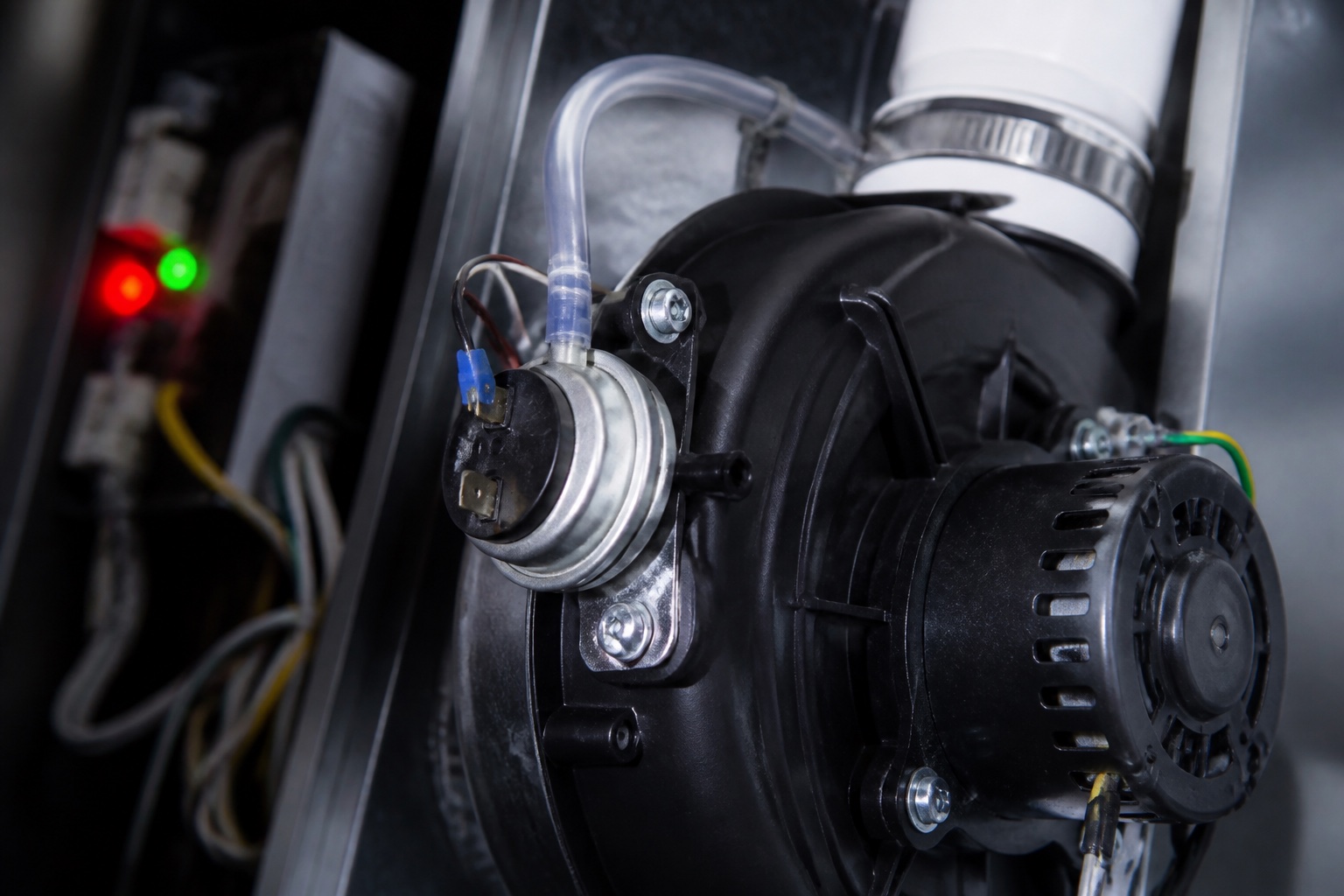
High-efficiency furnace inducer, pressure switch, PVC vent, and condensate trap

Ignition and Combustion Repairs

A gas furnace has to prove each step before the burners stay on. We test the hot-surface igniter or pilot components, flame sensor signal, burner condition, gas valve response, grounding, rollout and limit controls, and the visible venting path. If the burners light and then shut down, we find which safety or control input interrupted the sequence instead of replacing parts by guesswork.

Blower, Airflow and Limit Repairs

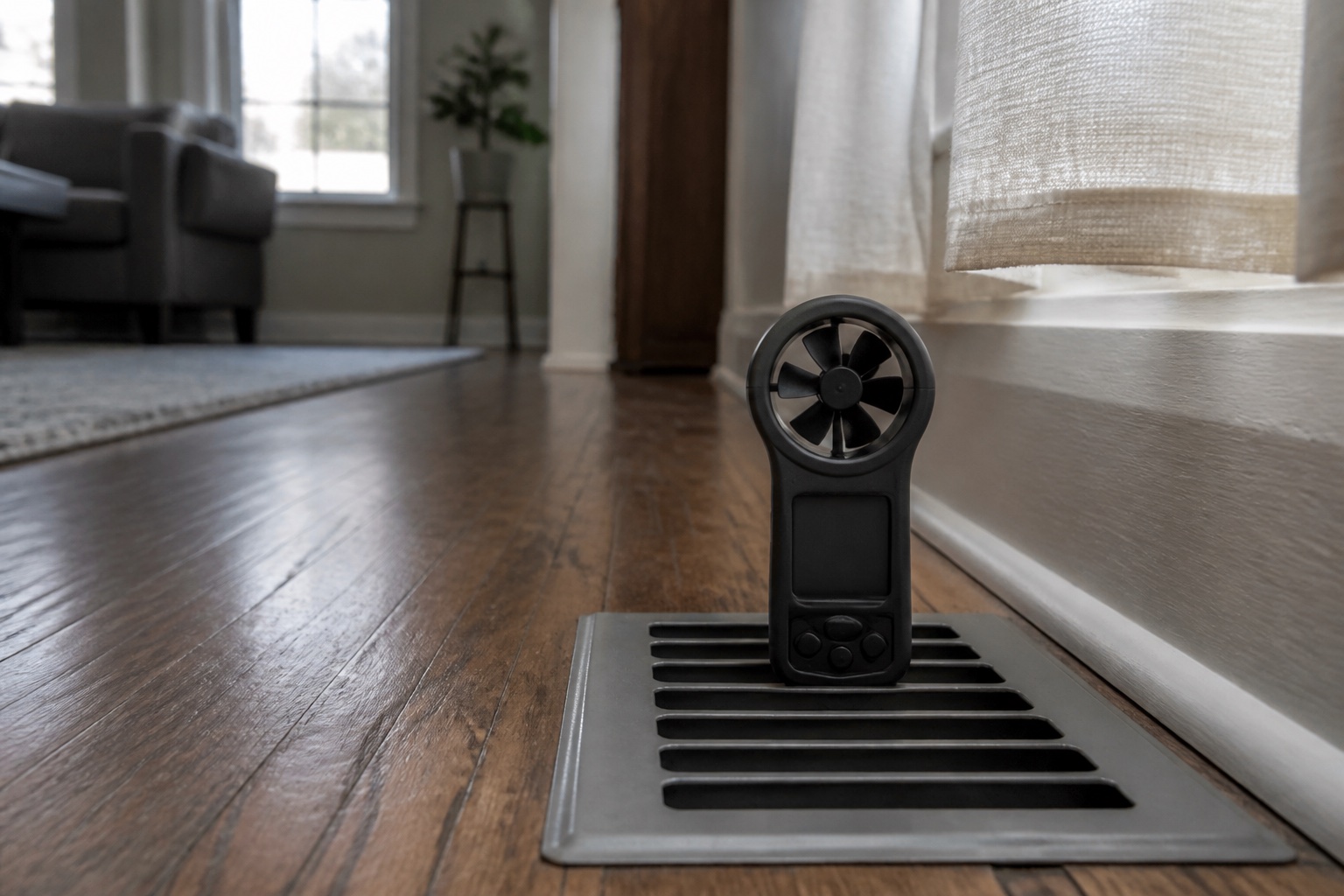
Heat still has to move through the home. We inspect the filter, return and supply path, blower wheel, motor, capacitor where used, variable-speed controls, temperature rise, and high-limit operation. This matters in Seattle homes where older ductwork, remodels, or a later cooling-system addition may place extra resistance on the same furnace blower.

Thermostat, Electrical and Control Repairs

A blank thermostat, intermittent call for heat, tripped breaker, or dead furnace can involve low-voltage controls, the service switch, transformer, control board, wiring, motor loads, or the thermostat itself. We trace the call for heat and take electrical measurements before recommending a board, motor, or thermostat. A fault code is evidence, not a complete diagnosis by itself.

Inducer, Pressure Switch and Condensate Repairs

High-efficiency furnaces add an inducer, pressure switches, sealed-combustion venting, a condensate trap, and drain tubing to the startup sequence. We inspect these components as a connected system. A pressure-switch code may be caused by the switch, but it can also point to vent restriction, drainage, tubing, inducer, or airflow conditions that must be tested first.

When to call

Furnace Problems We See in Seattle Homes

Tell us exactly what happens from the thermostat call through shutdown. The timing, sound, odor, code, and airflow pattern can be more useful than a guessed part name.

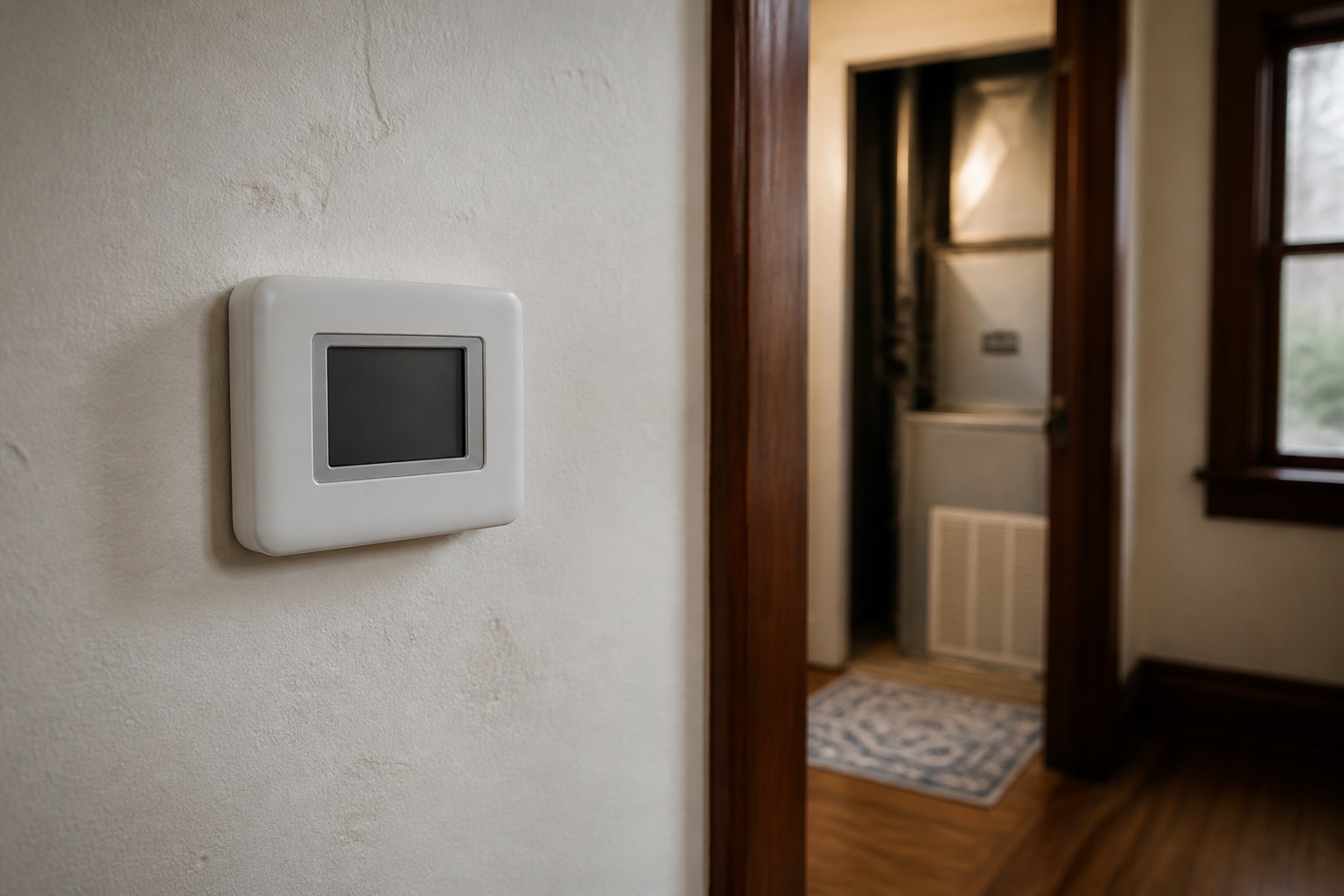
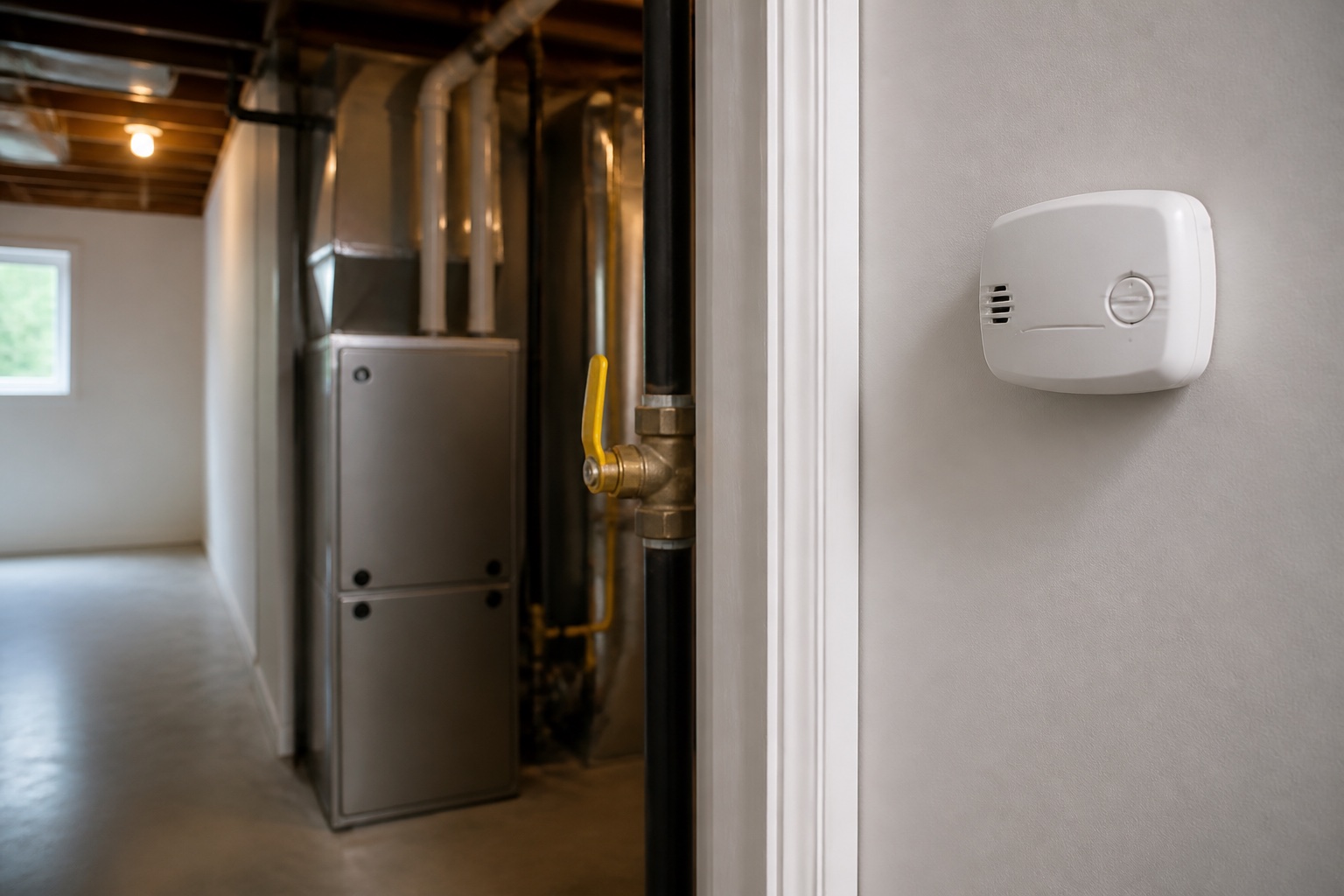
Blank wall thermostat with a residential furnace visible in the background
01 The Furnace Will Not Start

Check that the thermostat is set to heat, the setpoint is above room temperature, the furnace switch is on, and the filter is not completely blocked. If the display stays blank, the breaker trips again, or the furnace remains silent, stop resetting it. We trace power, the thermostat call, door switch, transformer, control board, and each startup safety in order.

02 It Starts, Then Shuts Down or Short Cycles

A furnace that lights for a few seconds and quits may not be proving flame correctly. A unit that runs longer and repeatedly stops can be opening a limit because of airflow, temperature rise, venting, or another fault. Timing the shutdown and measuring the sequence separates a flame-sensing problem from pressure, limit, control, or sizing concerns.

03 The Blower Runs, but Heat or Airflow Is Weak

Cold air at startup can be normal for a short period. Air that stays cool, weak airflow, or rooms that never warm can involve the burners or heating elements, blower speed, filter, evaporator coil, duct restrictions, dampers, or a limit fault. We compare supply and return conditions instead of assuming every comfort complaint begins inside the furnace cabinet.

04 You Hear Banging, Rattling, Squealing or Rumbling

New sound is useful diagnostic information. Rattling may come from panels, venting, or an inducer. Squealing or scraping can involve a motor or blower wheel. Rumbling after ignition deserves prompt attention. Turn the system off if the sound is severe, electrical, or accompanied by a burning odor, then tell us exactly when in the cycle it occurs.

05 A Gas Odor, CO Alarm, Water Leak or Safety Code Appears

Treat a gas odor or carbon monoxide alarm as a safety event, not a normal repair symptom. Leave the home, contact the gas utility or emergency services from a safe location, and do not operate switches or try another reset. Water near a condensing furnace or a recurring rollout, limit, or pressure code also needs diagnosis before continued operation.

Heating equipment

Gas and Electric Furnaces We Repair

Share the manufacturer, model, fuel type, thermostat message, and fault code when scheduling if you can do so without opening the equipment. Those details help us prepare for the correct furnace and control system.

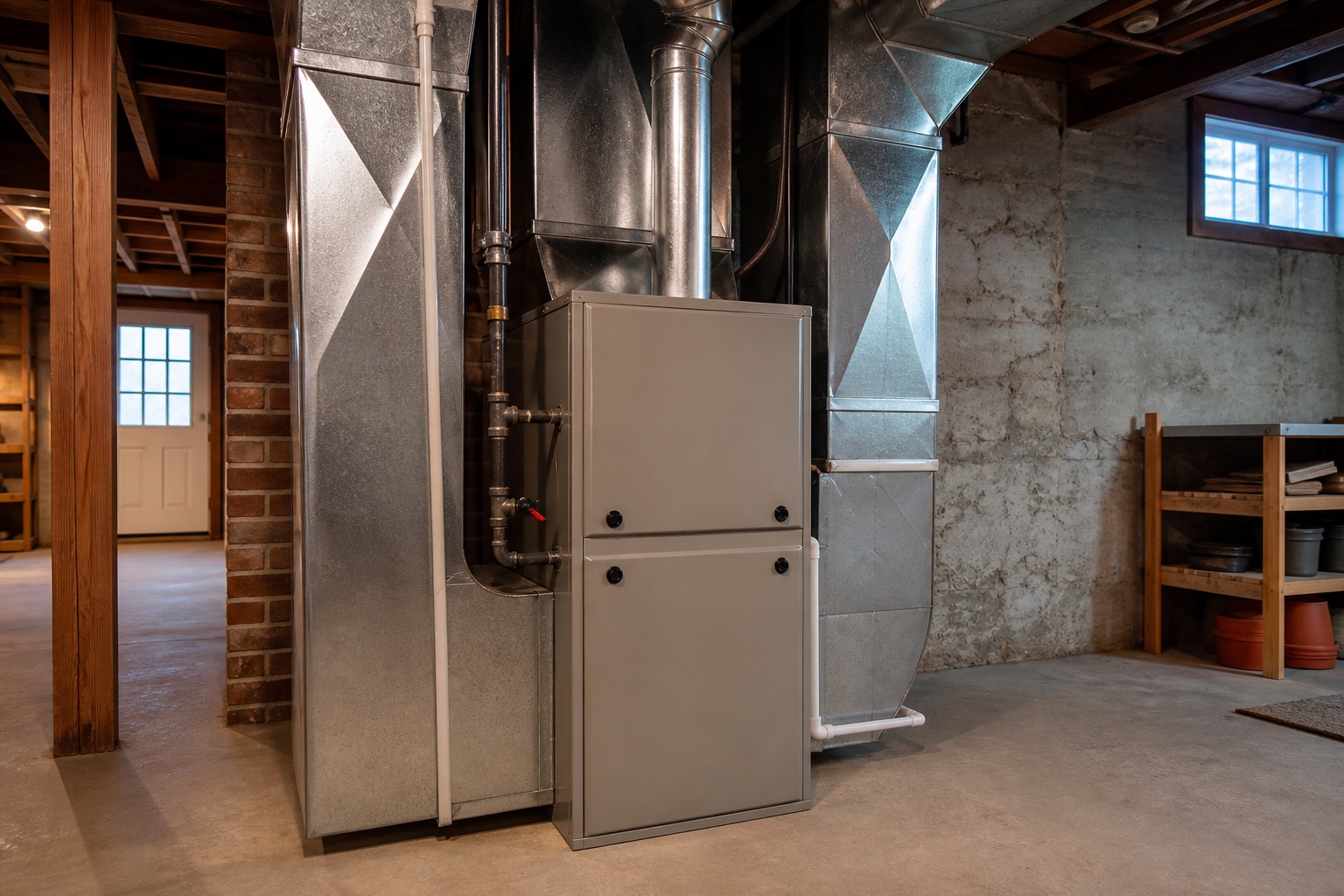
Conventional gas furnace and metal flue installed in an older Seattle basement

Gas Furnaces

We diagnose conventional and modern gas furnaces by following the complete sequence of operation. That includes the thermostat call, inducer, pressure proving, ignition, gas valve, flame sensing, heat exchanger and venting observations, blower operation, temperature rise, and safety shutdowns.

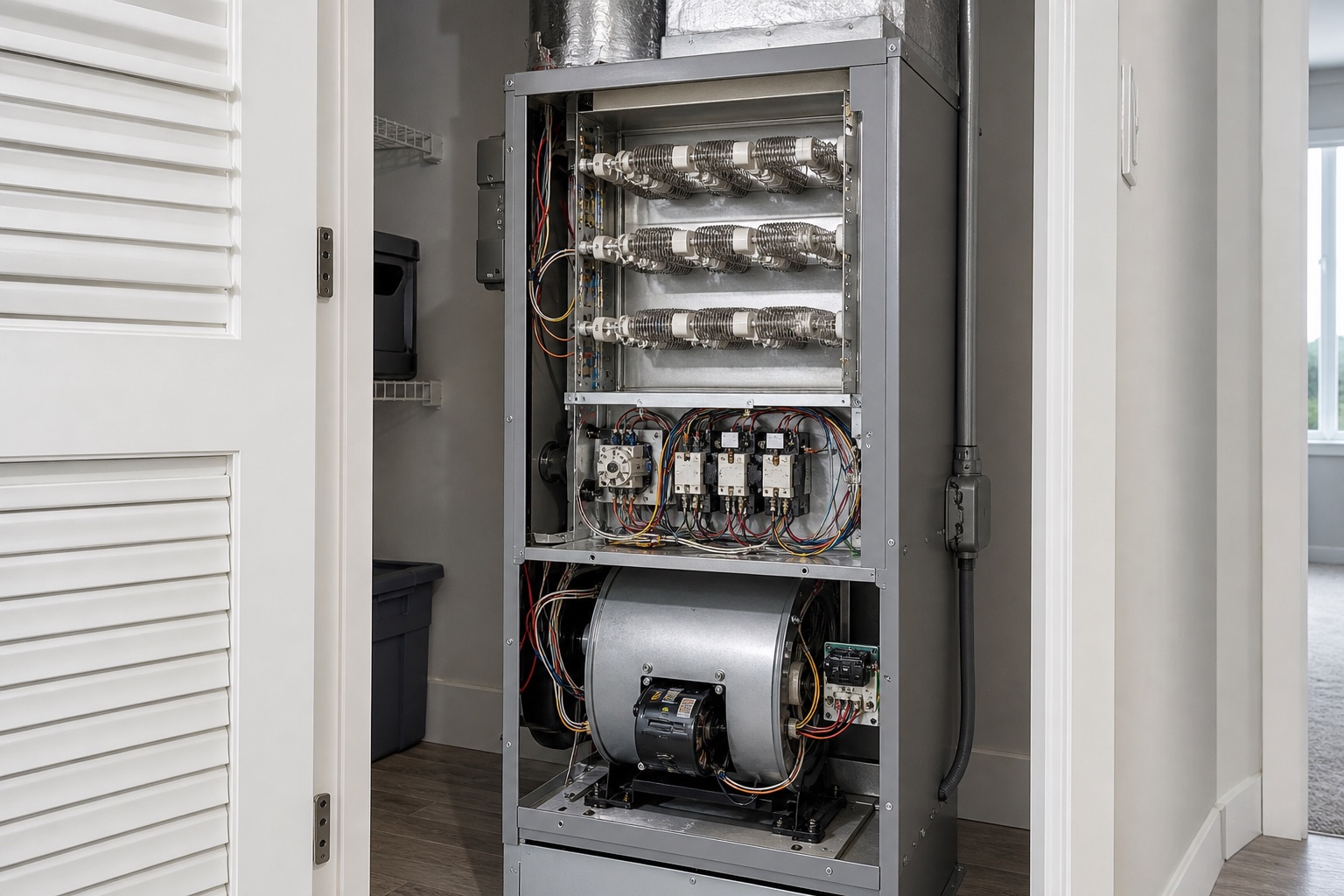
Electric furnace heating elements, sequencers, controls, and blower in a utility closet

Electric Furnaces

Electric furnaces use heating elements, sequencers or relays, limits, controls, and a blower instead of gas combustion. We test the call for heat, staged element operation, electrical loads, limit circuit, blower performance, and the condition of accessible wiring before isolating the failed component.

High-efficiency variable-speed furnace with PVC venting and condensate pump

High-Efficiency and Variable-Speed Furnaces

Condensing and variable-speed equipment adds communicating controls, ECM motors, multiple firing stages, pressure proving, PVC venting, and condensate management. We account for those components and the equipment's documented sequence rather than treating it like a basic single-stage furnace.

Make the decision from the diagnosis

When Furnace Repair Makes Sense and When to Compare Replacement

A furnace does not need replacement only because it is older, and a repair is not automatically sensible because a part can be changed. The safe condition of the equipment, failure scope, parts support, repair history, comfort performance, and remaining value should guide the choice.

Furnace Repair May Be Better When

  • 01The fault is isolated and the rest of the furnace is in serviceable condition
  • 02The heat exchanger and venting show no unsafe condition in the evaluated areas
  • 03The needed part is available and supported
  • 04The repair restores stable temperature rise, airflow, and safety operation
  • 05The furnace has not developed a pattern of repeated major failures
  • 06Repair cost and remaining service value make sense for your home

Compare Replacement When

  • 01A confirmed unsafe heat-exchanger or venting condition changes the risk
  • 02A major part is obsolete, unavailable, or no longer well supported
  • 03Several expensive components are failing together
  • 04The system has repeated breakdowns after prior repairs
  • 05Airflow, comfort, or equipment sizing cannot be corrected by the repair alone
  • 06You want to compare a major repair with a planned heating-system upgrade

Seattle permit note: Routine diagnosis is not the same as replacing equipment. If a repair decision becomes a furnace installation, Seattle has a permit and inspection process for furnace installations. Review the current Seattle Department of Construction and Inspections guidance.

Schedule furnace repair

From no heat to verified operation

How Our Furnace Repair Visit Works

We reproduce the fault, measure the stage that fails, explain the repair, and prove the furnace through a complete operating cycle after approved work.

  1. 01

    Listen

    Start With the Exact Failure Pattern

    We ask what the furnace does, when the problem began, whether the thermostat or control board shows a code, which rooms are affected, and whether you noticed water, odor, noise, breaker trips, or recent filter or thermostat changes. The timing of a shutdown often narrows the system stage that needs testing.

  2. 02

    Sequence

    Run the Call for Heat in Order

    We verify the thermostat call and observe the furnace sequence from inducer or relay response through pressure proving, ignition or element staging, flame sensing, blower start, temperature rise, and shutdown. We do not skip directly to the part named by an error code.

  3. 03

    Measure

    Test the Suspected Circuit or Component

    Depending on the fault, testing may include voltage, amperage, capacitance, flame-sensor signal, pressure-switch operation, temperature rise, static pressure indicators, motor response, condensate drainage, and accessible safety or venting conditions. Measurements are interpreted against the equipment and current operating state.

  4. 04

    Approve

    Explain the Finding and Price the Repair

    We explain the failed part or system condition, what caused the shutdown when it can be determined, and what the proposed repair includes. If replacement or a second opinion deserves consideration, we say why. You approve the work before the repair moves forward.

  5. Verify

    Repair, Restart and Prove Operation

    After an approved repair, we restart the furnace and verify the relevant sequence, safety controls, airflow, temperature rise, thermostat response, and shutdown. We also explain filter needs, any condition that remains outside the repair, and the symptoms that should prompt another call.

Ready to get a clear answer about your furnace?

Schedule furnace repair

Why HVAC Angel

Why Seattle Homeowners Choose Us for Furnace Repair

We trace the call for heat in sequence, explain the confirmed fault and price, then prove operation and safety after the approved repair.

Schedule furnace repair

Sequence-Based Diagnosis

A furnace is a chain of controls and safety checks. We identify where that chain stops and test the surrounding cause before recommending a part, whether the Seattle home has a basic gas furnace or newer condensing equipment.

Repair Price Before Work

You hear the finding, the repair scope, and the price before the repair begins. A diagnostic visit should lead to a decision, not an open-ended invoice.

Safety Conditions Taken Seriously

Gas odor, carbon monoxide concerns, rollout trips, venting defects, and suspected heat-exchanger problems are handled as safety issues, not routine comfort complaints.

A Clear Homeowner Handoff

We explain what failed, what was repaired, what was tested afterward, and what you should watch during Seattle's heating season. You should not need HVAC vocabulary to understand the outcome.

Reviews

What Seattle customers say

Customers mention clear explanations, practical recommendations, and HVAC work completed without unnecessary pressure.

4.9 out of 5 Write a review

Our AC suddenly stopped keeping the house cool even though the unit was still running. I called HVAC Angel to check it out before things got worse. Michael inspected both the indoor and outdoor parts of the system and quickly found the problem. It turned out to be a small part that had worn out over time. He replaced it, tested the system, and made sure everything was working properly before leaving. The AC kicked back in right away and the house cooled down within the hour. Huge relief, especially with warmer days coming up.

Ariel Igherighe Google review

Our old AC finally gave up after years of patchwork repairs, so we decided to move forward with a full replacement. HVAC Angel made the process simple and clear from the first visit. Michael checked the existing setup, explained what size system made sense for our home, and gave a straightforward quote. No sales pressure, just facts. The installation team arrived on time, removed the old unit, and had the new AC up and running without any chaos. It is noticeably quieter and cools the house much faster than before.

BlackHat Google review

I am based in downtown Seattle and was having a hard time finding a reliable HVAC contractor for a full system replacement. Most of the quotes I received were honestly mind blowing. I found HVAC Angel through a recommendation in a local Facebook community and called them expecting another high number. Michael came out, assessed the setup properly, and gave a quote that actually made sense. When I compared it with the other bids, I realized I was saving around $2,100, which is significant. They completed the HVAC replacement in two days and kept everything organized throughout the process.

John Downtown Seattle

Furnace Repair Seattle FAQs

  • Furnace repair cost in Seattle depends on the diagnostic time, furnace type, failed component, part availability, access, and whether the fault involves one part or a connected airflow, venting, electrical, or condensate problem. An igniter or sensor repair is a different scope from an ECM blower motor, inducer, gas valve, control board, or heat-exchanger concern. Ask what the diagnostic visit includes and whether the repair price will be approved before work begins. HVAC Angel diagnoses the operating fault first and explains the repair price before proceeding.