Need HVAC repair in Ballard? We troubleshoot furnaces, central AC, ducted and ductless heat pumps in Craftsman homes, remodeled houses, townhomes, and condos across 98107 and 98117. Whether one upstairs bedroom never cools, the furnace locks out, or a mini split drops a zone, we trace the problem and explain the findings before you approve the work.
A century-old cottage near central Ballard and a recent townhome north of NW Market Street can show the same “upstairs is too warm” complaint for completely different reasons. The older house may have heating ducts with limited return air; the townhome may have a compact air handler, long vertical runs, and a thermostat positioned several floors from the problem room.
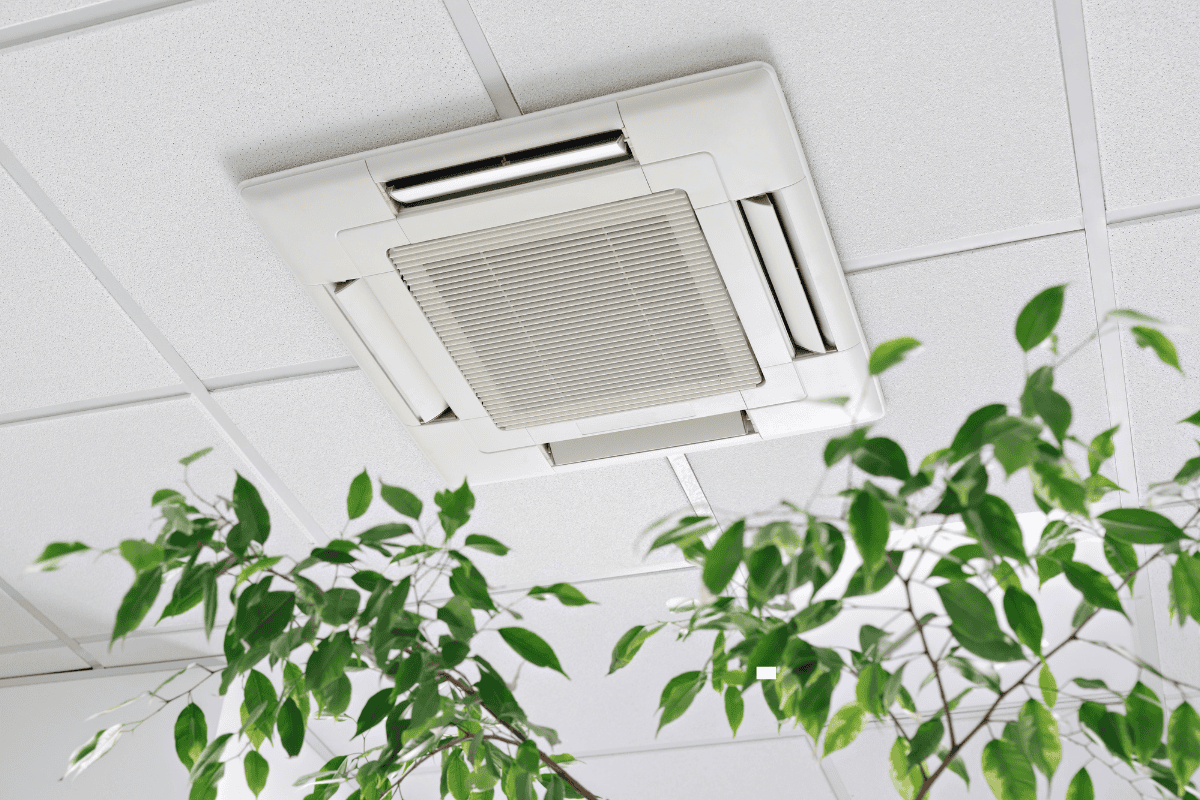
Cooling upgrades add another layer. A central AC coil may sit above an existing furnace and depend on its blower, board, filter, and duct system. A mini split may serve only the attic or DADU. A newer heat pump may still use older distribution. Understanding which components were added together—and which never were—keeps the diagnosis tied to the home you actually live in.
We start with the failed mode and the rooms affected, then move through controls, ignition or refrigerant operation, electrical components, coils, fans, drainage, supply air, and return paths as the evidence requires. That is how HVAC repair in Ballard becomes a defined correction rather than a generic recommendation to change equipment.
Heating and cooling help for the way your Ballard home is equipped
You do not need to know whether the thermostat, furnace, condenser, air handler, heat pump, or ductless head caused the problem. Tell us what the house is doing. We service the individual equipment and the shared controls, airflow, electrical, refrigerant, and drainage connections that let the pieces operate as a system.
Furnace Repair in Ballard
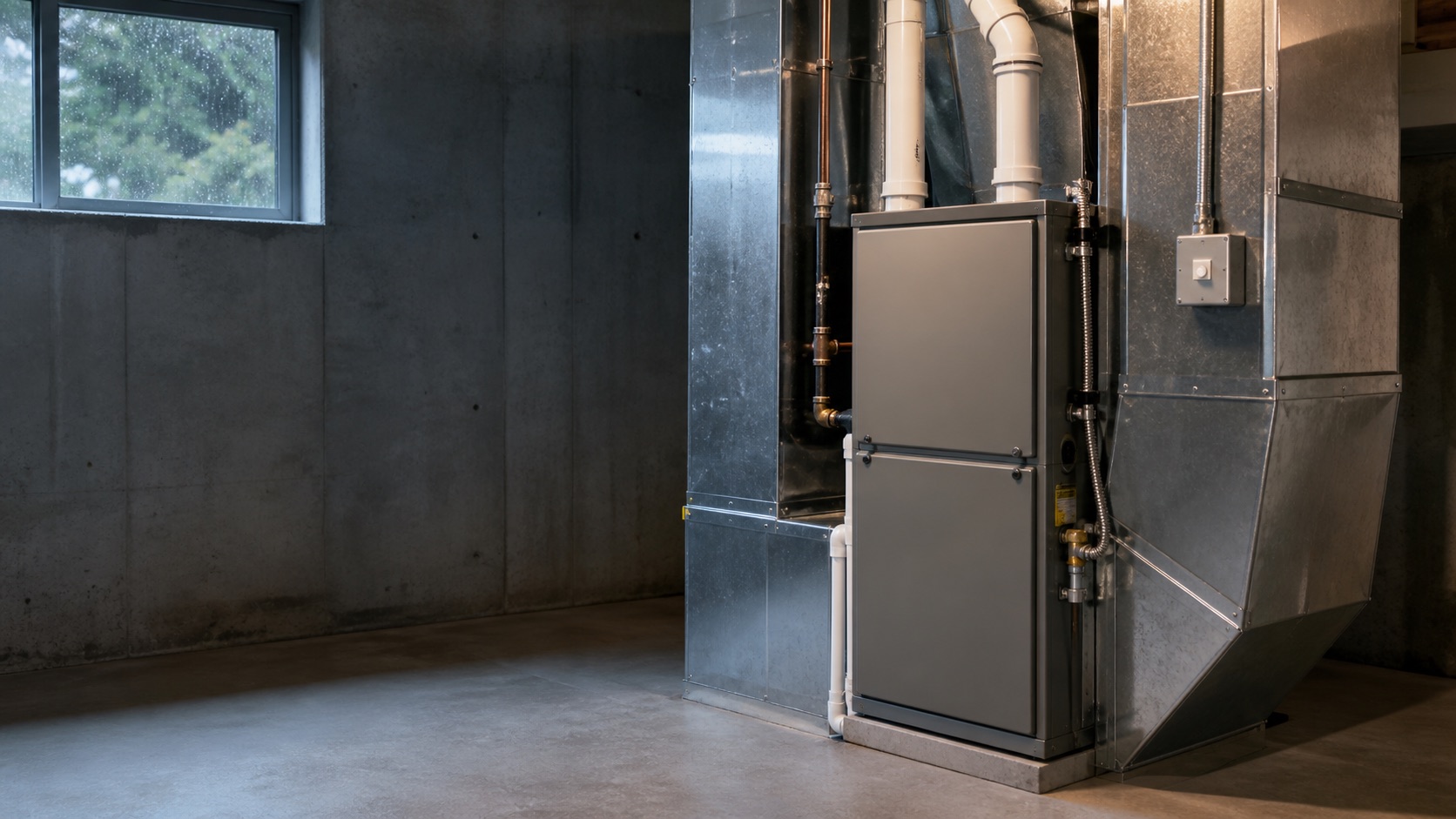
A furnace that lights and stops needs a different repair from one that never begins its ignition cycle. We observe exactly where operation breaks down, then test the components responsible for that stage: thermostat signal, igniter, flame sensor, inducer, pressure switch, gas delivery, high-limit protection, blower, or venting. We also check whether restricted return air is forcing an otherwise working furnace to overheat.
AC Repair in Ballard
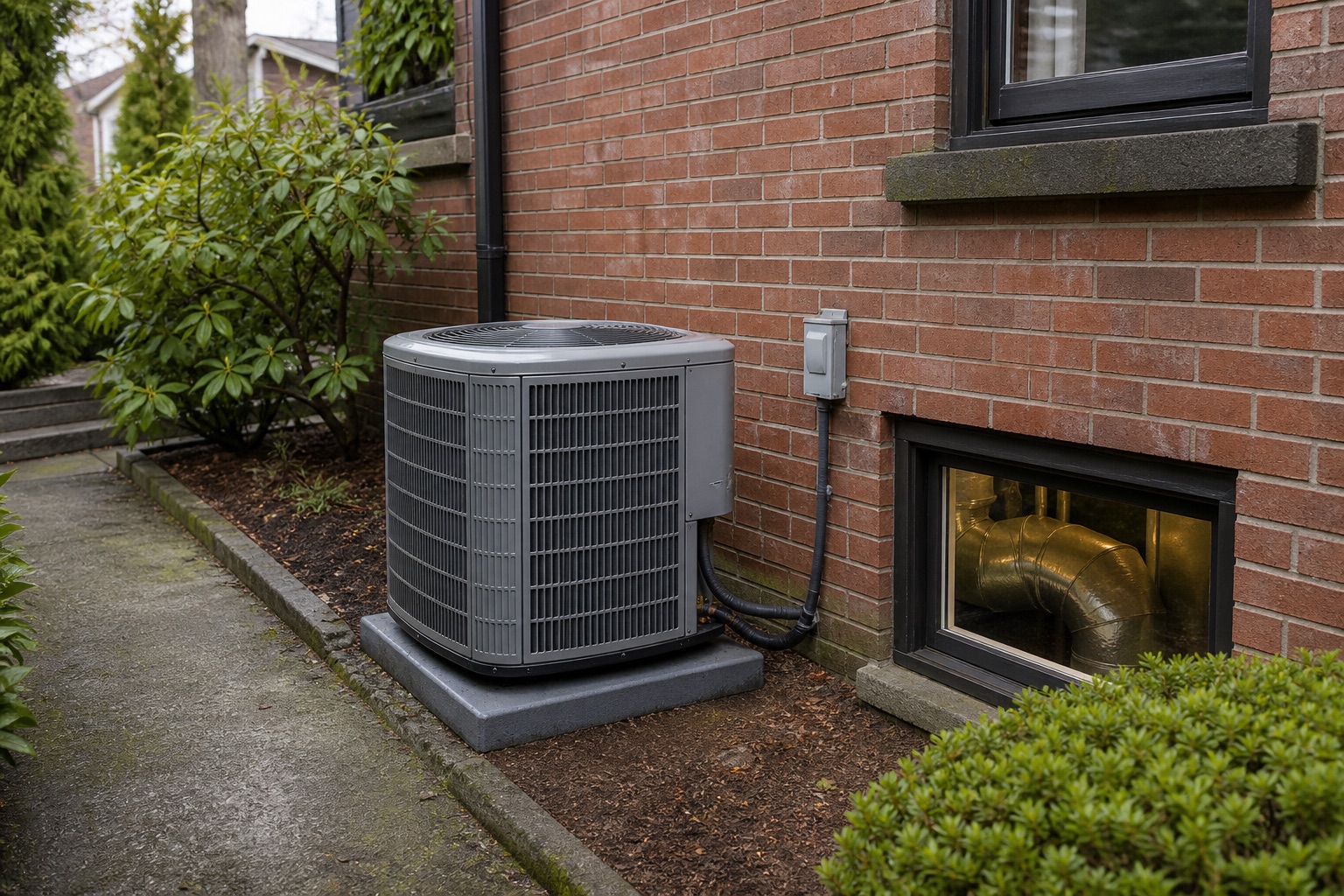
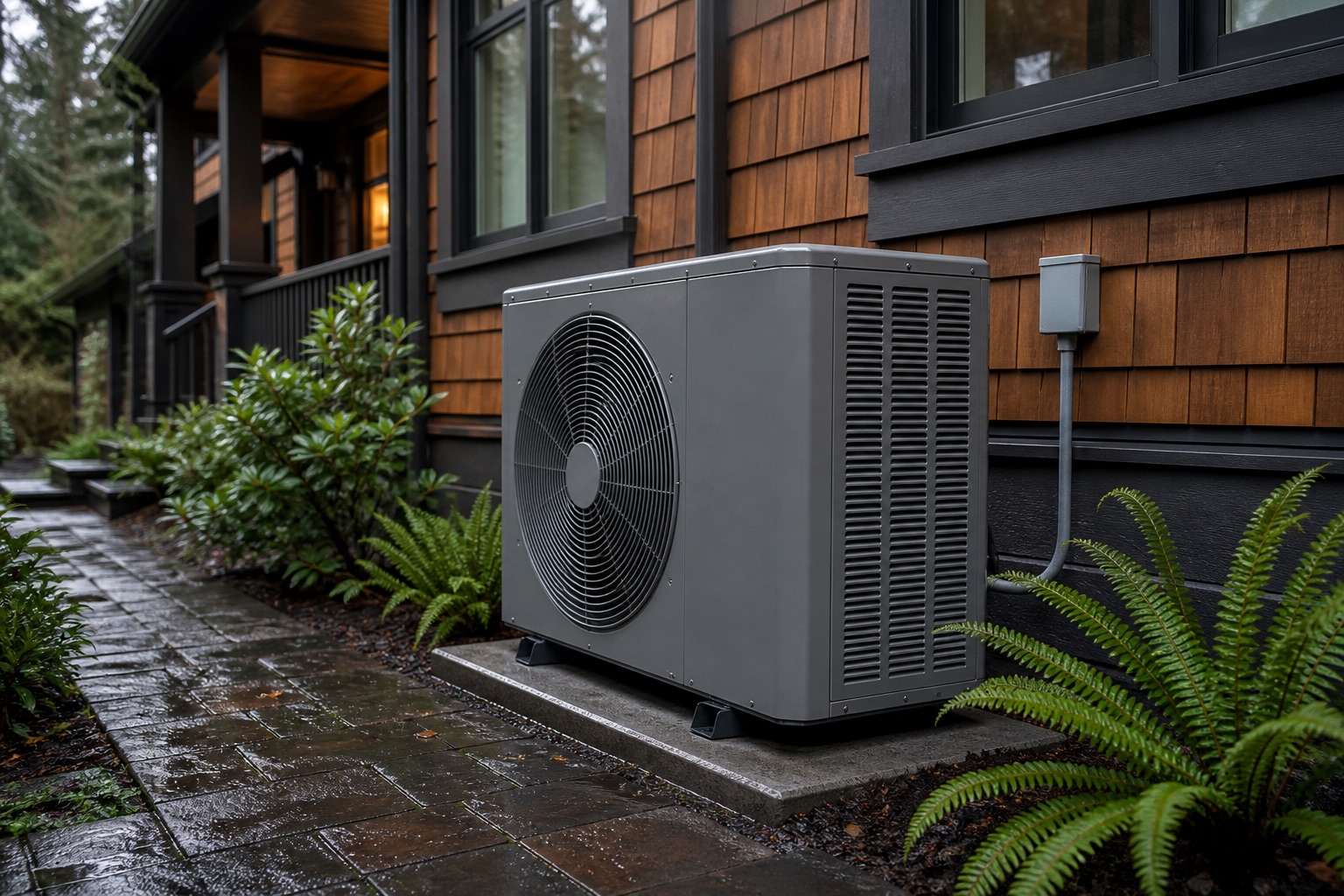
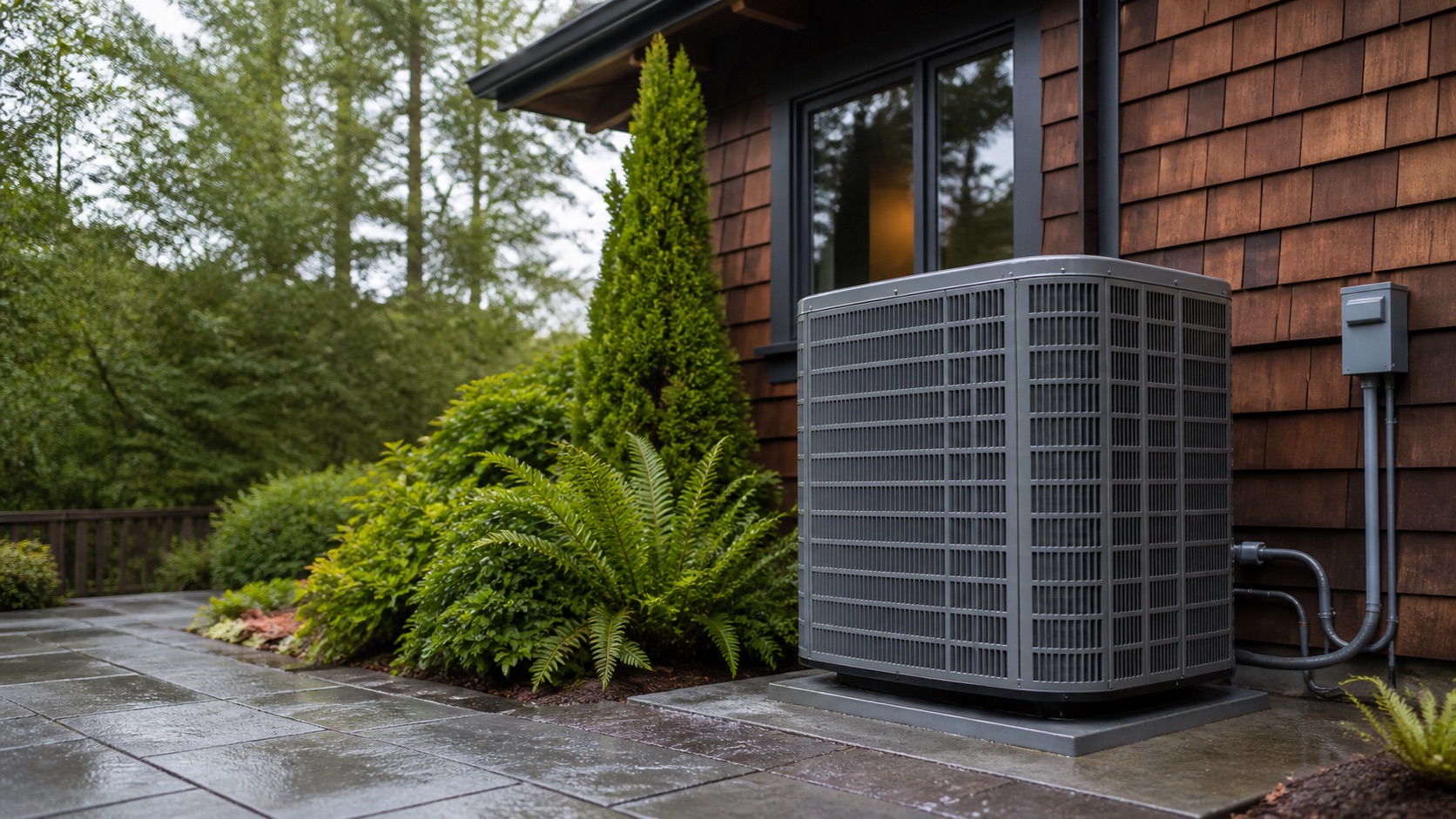
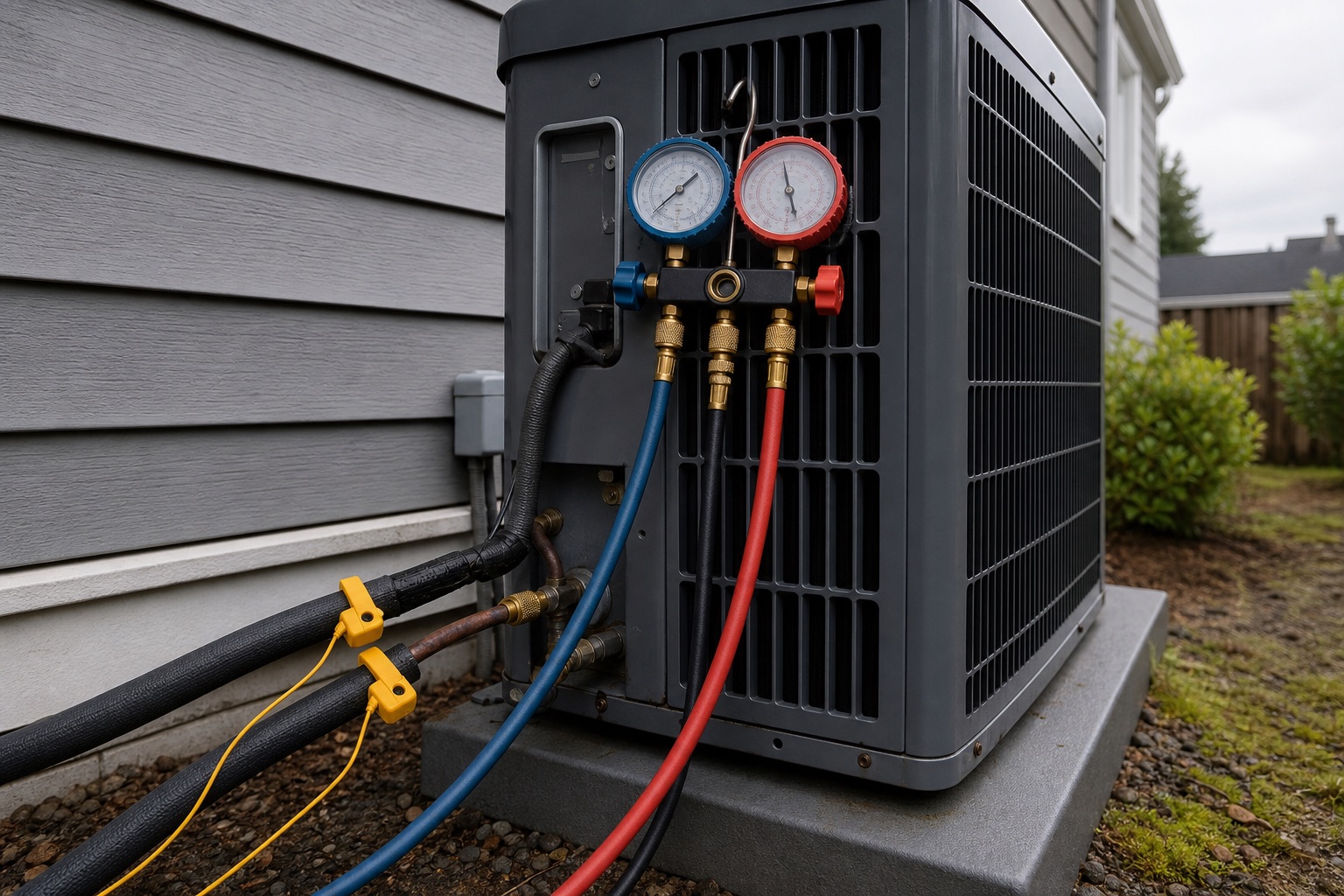
Many Ballard central-air systems were added to a house that already had forced-air heat. The outdoor condenser may be new while the furnace blower, returns, and branch ducts are much older. We measure the cooling cycle from indoor coil to condenser, checking temperature change, blower setup, filters, drainage, electrical controls, fan motors, compressor behavior, and refrigerant conditions before recommending a repair.
Heat Pump Repair in Ballard
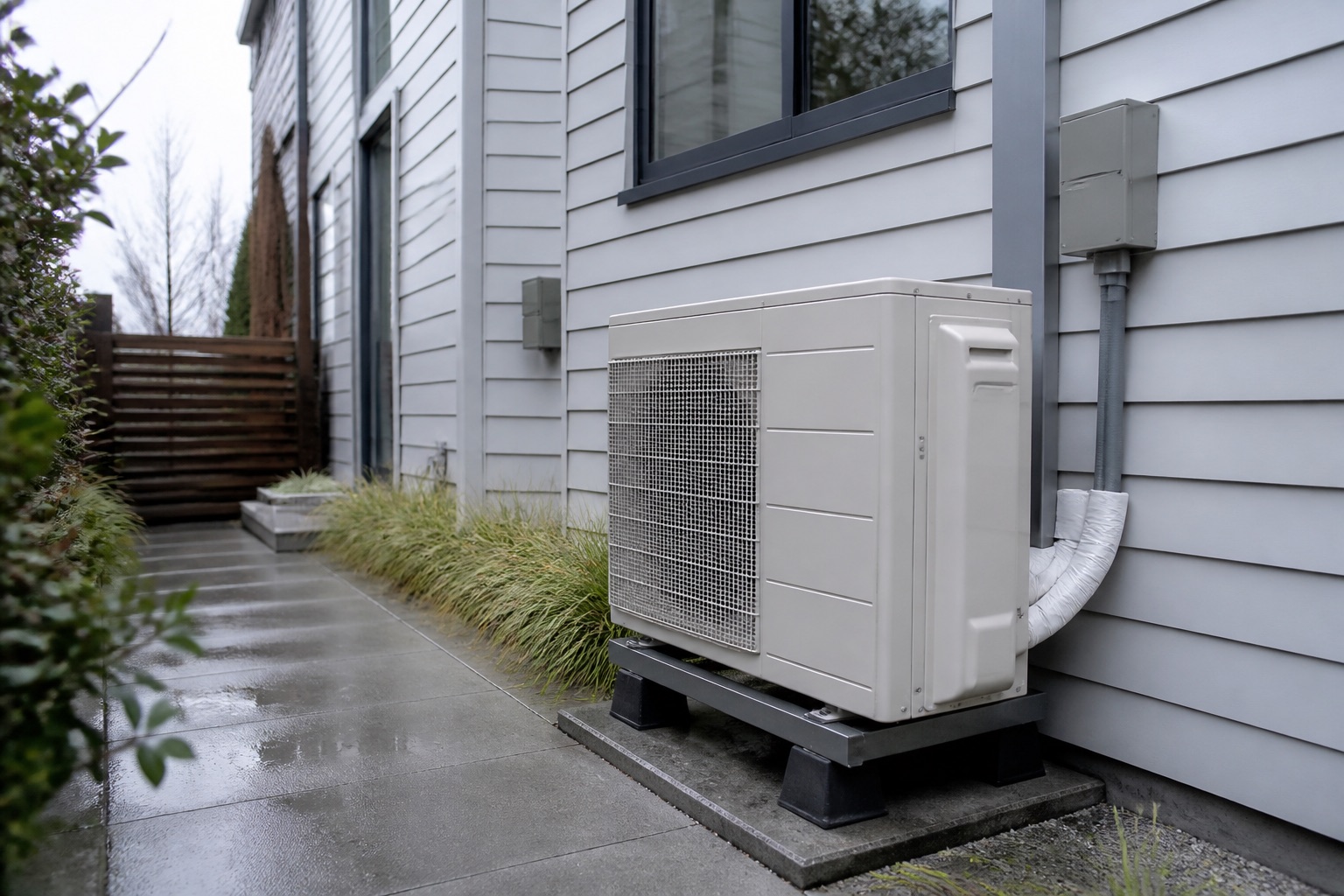
Because a heat pump reverses direction to heat and cool, the season and operating mode are part of the diagnosis. We look at thermostat commands, reversing operation, coil condition, outdoor fan, indoor airflow, defrost, auxiliary heat, electrical controls, and refrigerant performance. A frosty outdoor coil during damp weather can be normal briefly; ice that keeps building after a defrost cycle is not.
Ductless Mini Split Service in Ballard
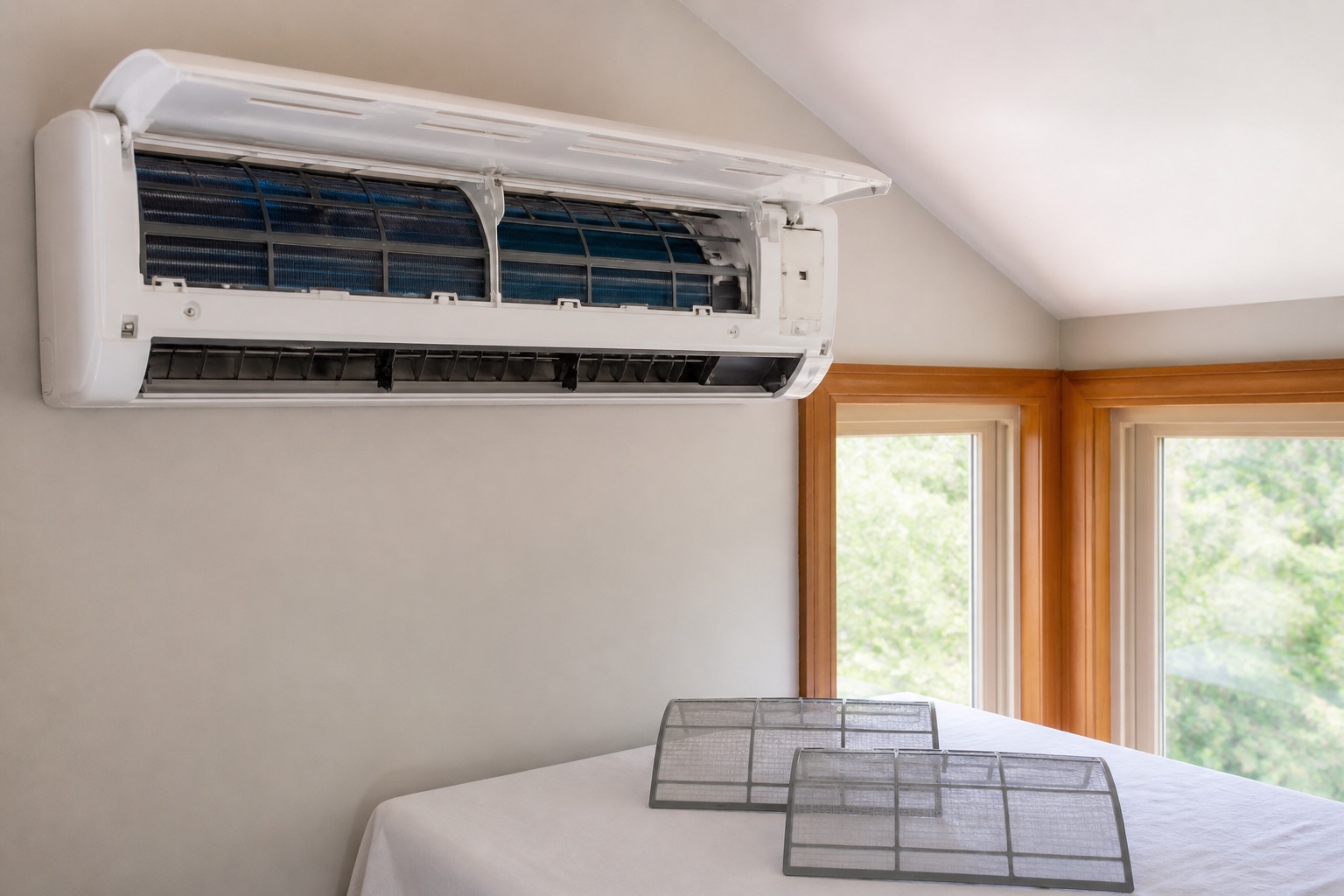
A Ballard household may use one mini split for a converted attic, backyard cottage, home office, or primary bedroom while the rest of the house stays on a furnace. For a weak, leaking, noisy, or unresponsive zone, we isolate the indoor head and follow it through its fan, filter, drain, sensors, wiring, line set, and outdoor unit instead of assuming the entire multi-zone system has failed.
HVAC Maintenance in Ballard
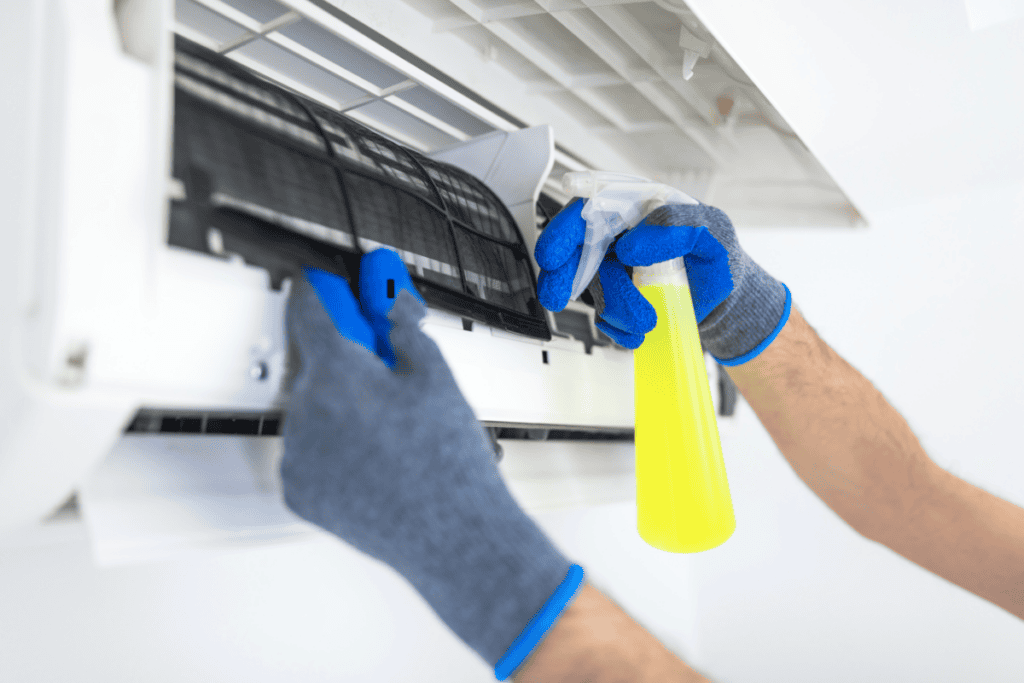
Seasonal maintenance is most useful when it records actual operating condition. For heating, that can mean ignition, temperature rise, venting, safety response, and blower performance. For cooling, it can include indoor and outdoor coils, electrical readings, condensate flow, temperature change, and refrigerant indicators. The checklist changes for a dual-fuel or multi-zone system rather than forcing every Ballard home into one package.
HVAC Replacement & Installation in Ballard
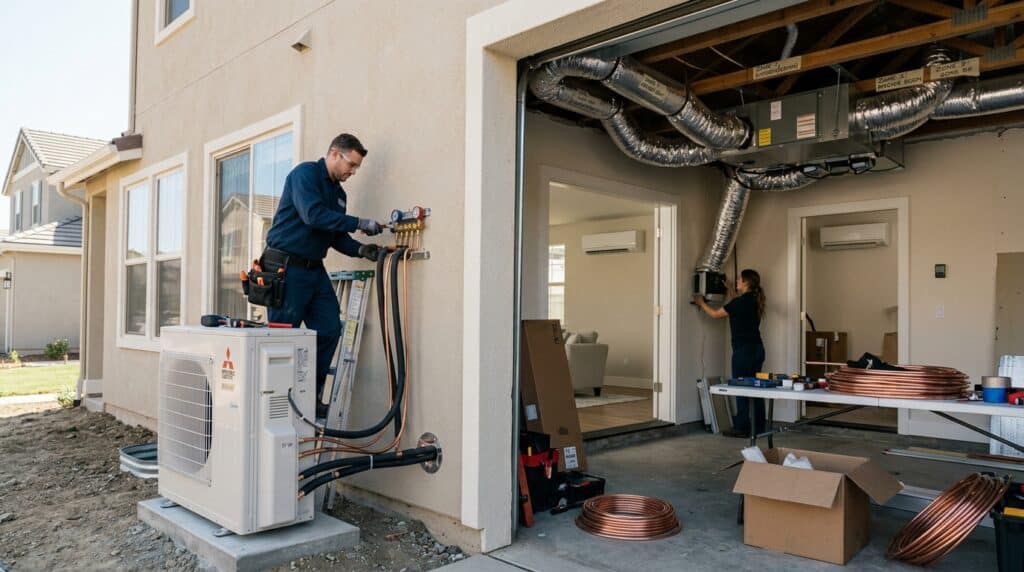
If testing shows that replacement deserves a serious comparison, we start with the building and the comfort problem. Equipment selection should account for room-by-room load, usable ducts, return-air capacity, electrical service, sound-sensitive lot lines, condensate routing, and where installers can physically work. Seattle permits and inspection requirements are included in the scope discussion rather than treated as an afterthought.
What is installed here
HVAC systems we find behind Ballard walls, closets, and basements
The neighborhood's range from modest builder cottages to moderate-density multifamily housing creates equally varied mechanical spaces. The cards below explain how we approach six setups that commonly require different diagnostic thinking, even when the homeowner reports the same loss of heating or cooling.
Basement Gas Furnaces
Read more→
Basement Gas Furnaces
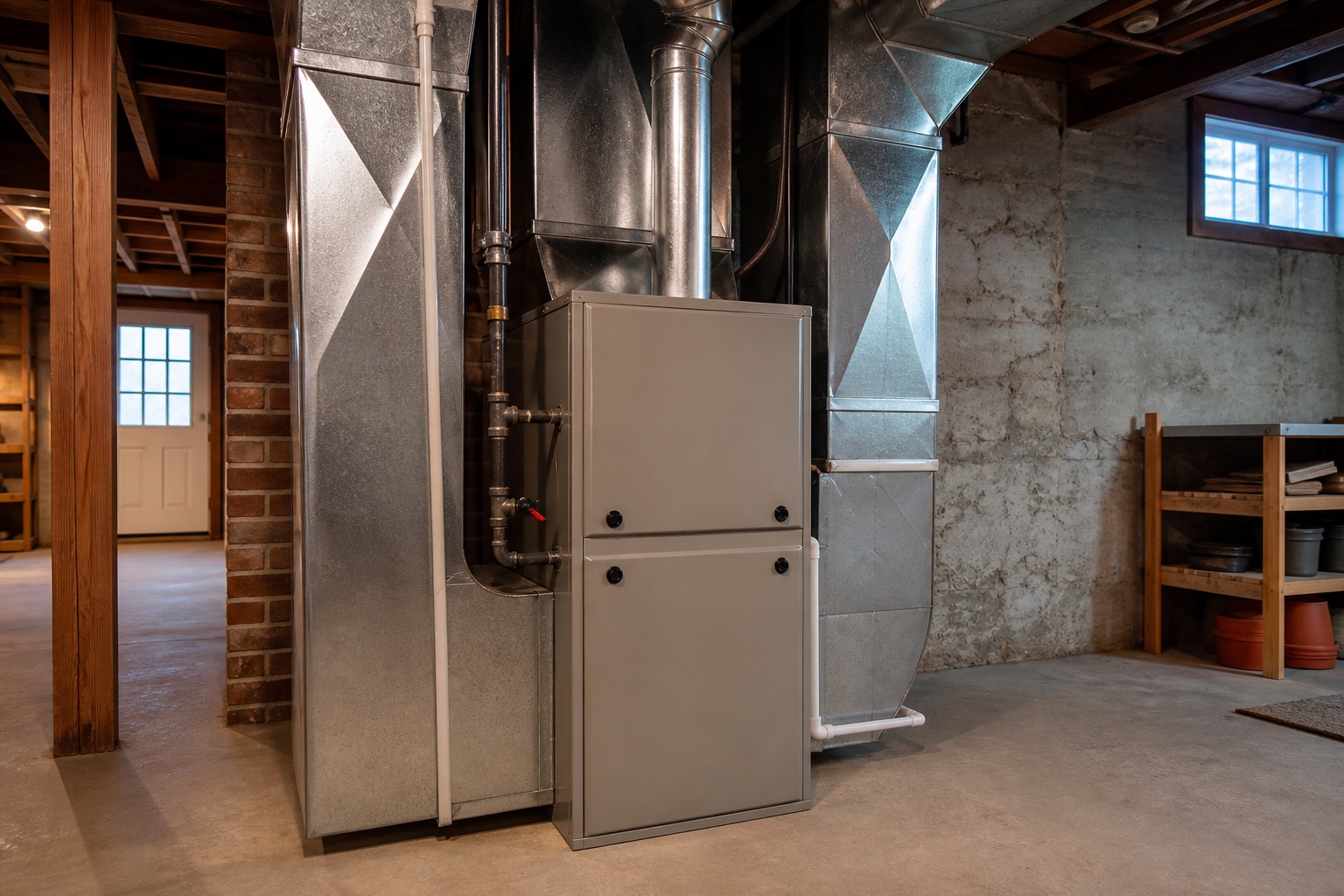
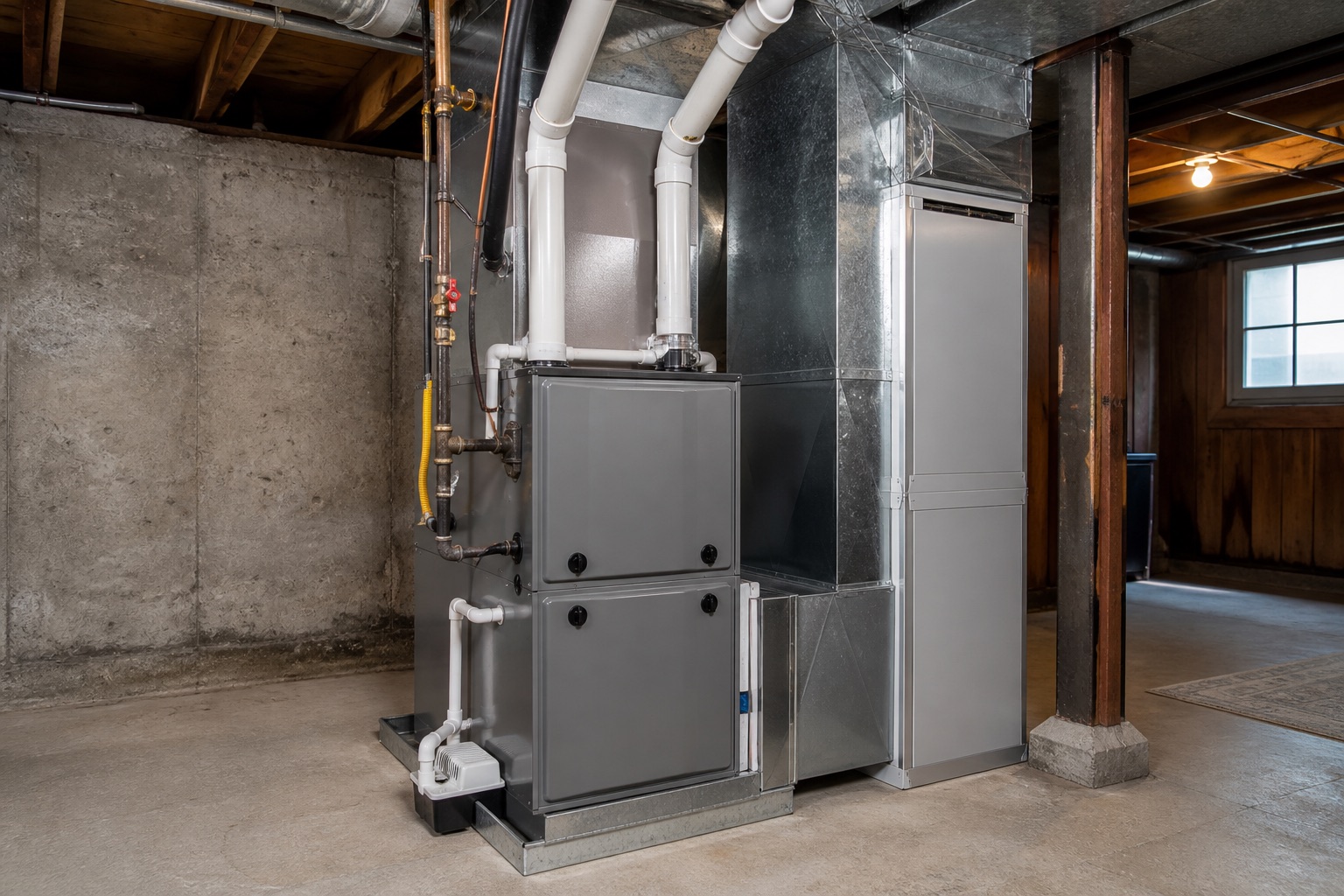
In an older Ballard cottage or Craftsman, the furnace may sit beside duct trunks that have been patched, capped, or extended through several remodels. A no-heat call still requires combustion and safety testing, but persistent high-limit trips or weak rooms also make the blower, filter rack, return path, vent connector, and visible duct transitions relevant to the repair.
Compact Air Handlers
Read more→
Compact Air Handlers
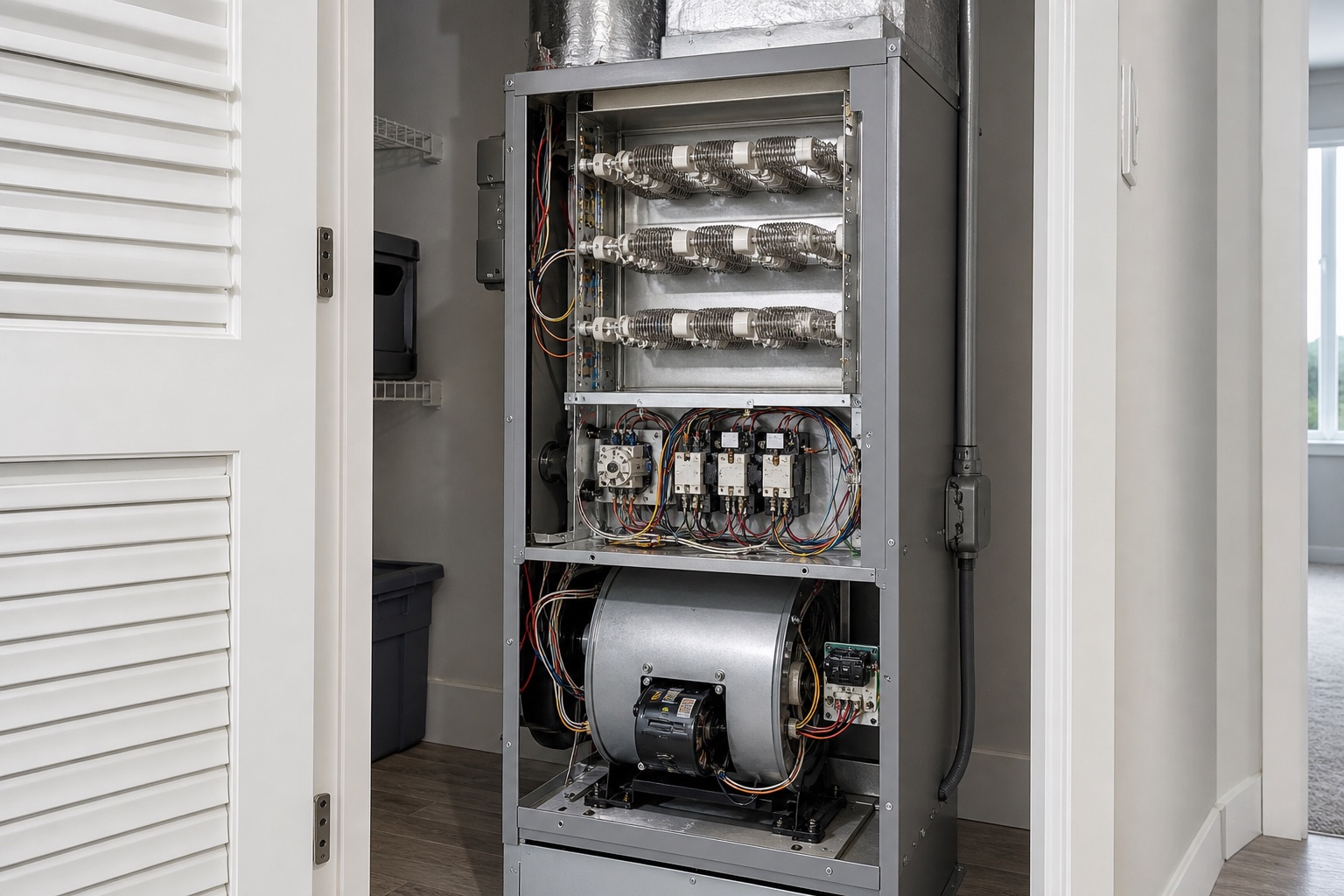
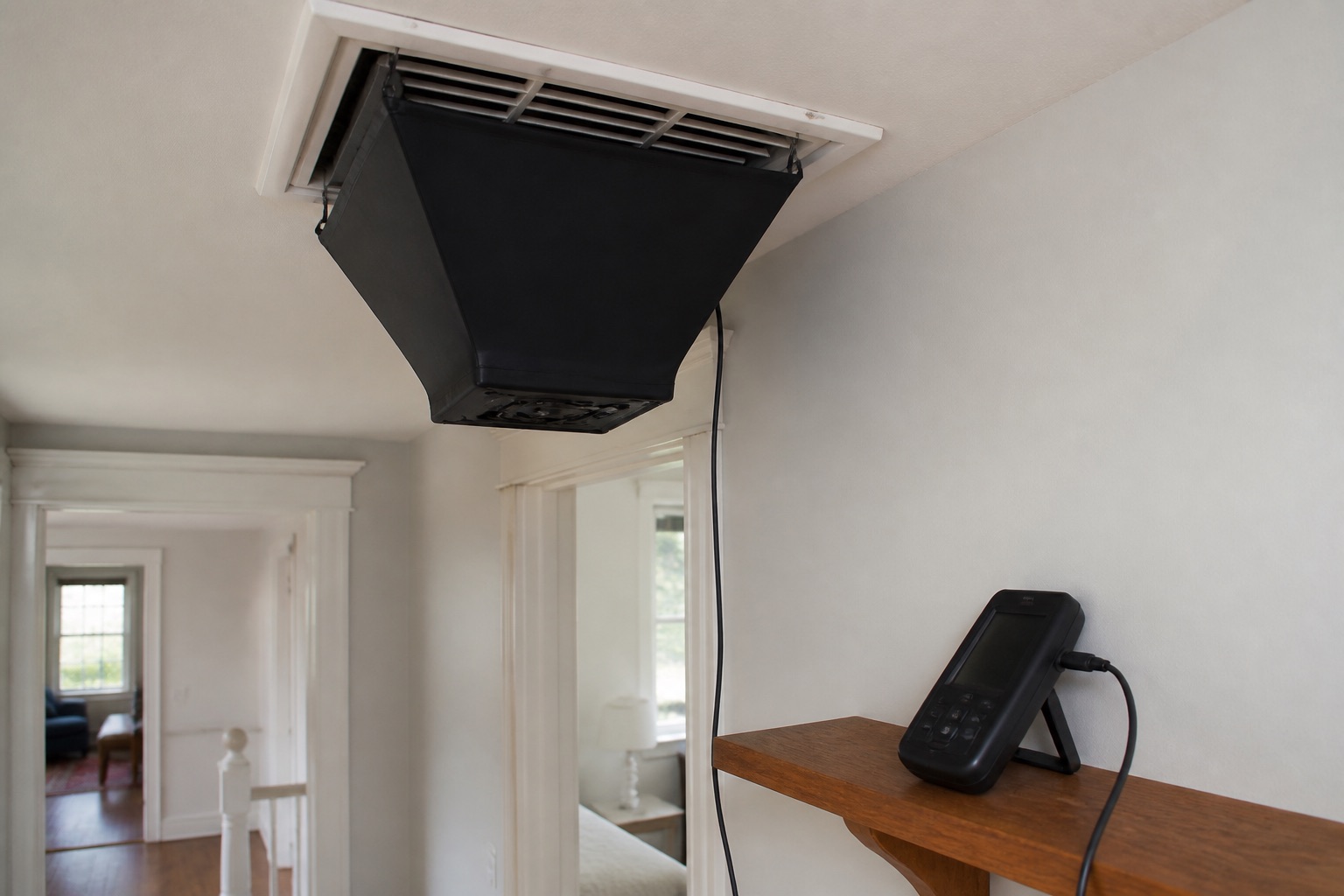
Newer Ballard townhomes and condominiums often place the air handler in a hall closet, laundry area, garage, or ceiling cavity. Tight access changes how filters, blower assemblies, electric heat, indoor coils, drains, and control boards can be reached. Before the visit, tell us if the technician must enter a locked utility room, shared garage, roof, or association-controlled space.
Furnace-and-AC Combinations
Read more→
Furnace-and-AC Combinations
Adding central AC to an existing furnace creates one system from equipment installed at different times. The condenser and evaporator coil handle heat transfer, but the furnace board and blower still control cooling airflow. We verify those connections, coil drainage, thermostat wiring, refrigerant operation, and the duct system before blaming the newest or oldest component by default.
Ducted and Dual-Fuel Heat Pumps
Read more→
Ducted and Dual-Fuel Heat Pumps
Some Ballard heat pumps use an electric air handler; others share ducts with a gas furnace that provides backup heat. The thermostat, switchover settings, indoor coil, blower speed, electrical supply, and outdoor controls must agree about which equipment should run. We test the active mode and staging logic instead of diagnosing a dual-fuel setup as two unrelated appliances.
Ductless Mini-Split Systems
Read more→
Ductless Mini-Split Systems
Ductless equipment fits Ballard spaces where running full-size ducts would sacrifice closets, headroom, or finished walls. Single-zone and multi-zone systems can behave very differently when one head loses output. We compare the affected room with the other zones, inspect its coil, fan, filter, drain, sensors, and communication, then evaluate the common outdoor equipment when the evidence points there.
Mixed Systems and Smart Controls
Read more→
Mixed Systems and Smart Controls
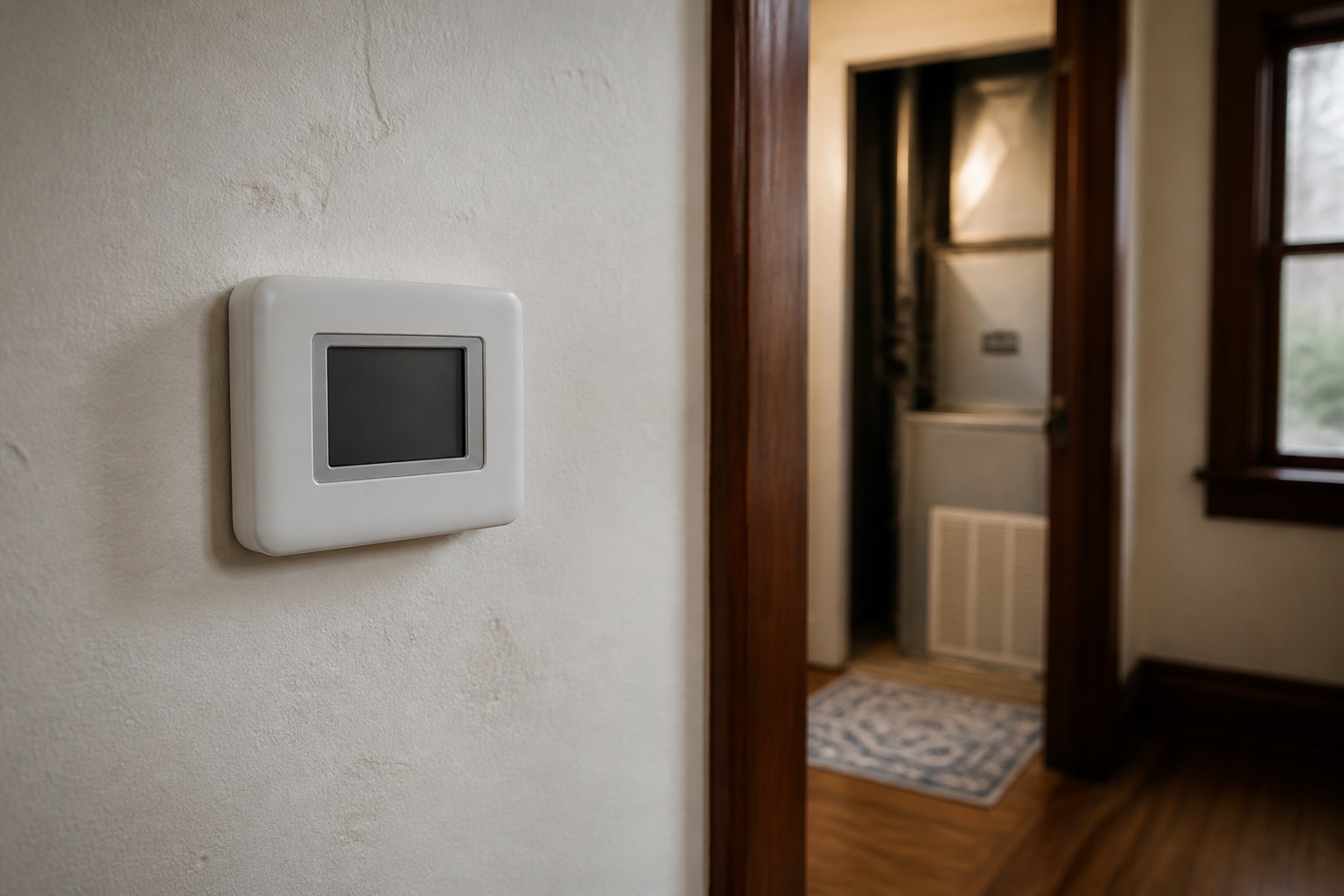
A smart thermostat cannot correct a mismatched blower setting, missing return, incorrectly configured heat-pump stage, or ductless zone on a separate control. When equipment has been added over time, we document what each thermostat actually operates and where conditioned air is supposed to go. That map often explains why the reported problem appears only in one mode, floor, or renovated room.
Read the symptom first
What changed before your Ballard HVAC system stopped working?
A repair call becomes more productive when we know the sequence: the burners light and quit, only the top floor stays warm, auxiliary heat will not turn off, or one ductless head has lost output. These common patterns help narrow the first inspection without turning a symptom into a premature diagnosis.
01The furnace starts, then shuts down again
Watch only from the thermostat and listen for the order of events. Does the small draft motor start? Do the burners light and disappear? Does the main blower run before the shutdown? Those observations can direct testing toward flame proving, pressure, venting, high temperature, or control logic. Avoid repeated resets; a lockout code can preserve useful evidence for diagnosis.
02The AC cools downstairs but not the bedrooms
This is common when cooling was added to heating ducts that were never designed around second-floor summer loads. We compare supply temperature and airflow between levels, inspect return paths and blower setup, and verify that the coil and outdoor unit are delivering capacity. The result may be an equipment repair, a distribution correction, or a separate comfort limitation that deserves its own plan.
03The heat pump runs, but auxiliary heat takes over
Auxiliary heat is not automatically a failure; it may appear during recovery or colder outdoor conditions. Concern is warranted when it stays on unusually long, indoor temperature falls, or energy use changes sharply. We review thermostat staging, sensor readings, defrost behavior, refrigerant performance, airflow, and the backup-heat source to determine why the primary heat pump is not carrying its expected share.
04A remodeled room never matches the thermostat
Finished attics, basement conversions, rear additions, and DADUs can inherit comfort problems the original system was never asked to solve. We establish whether the room has adequate supply and return paths, whether doors change airflow, and whether a separate ductless zone is operating correctly. That prevents an entire furnace or AC system from being condemned for a localized distribution problem.
05Water appears near the furnace or air handler
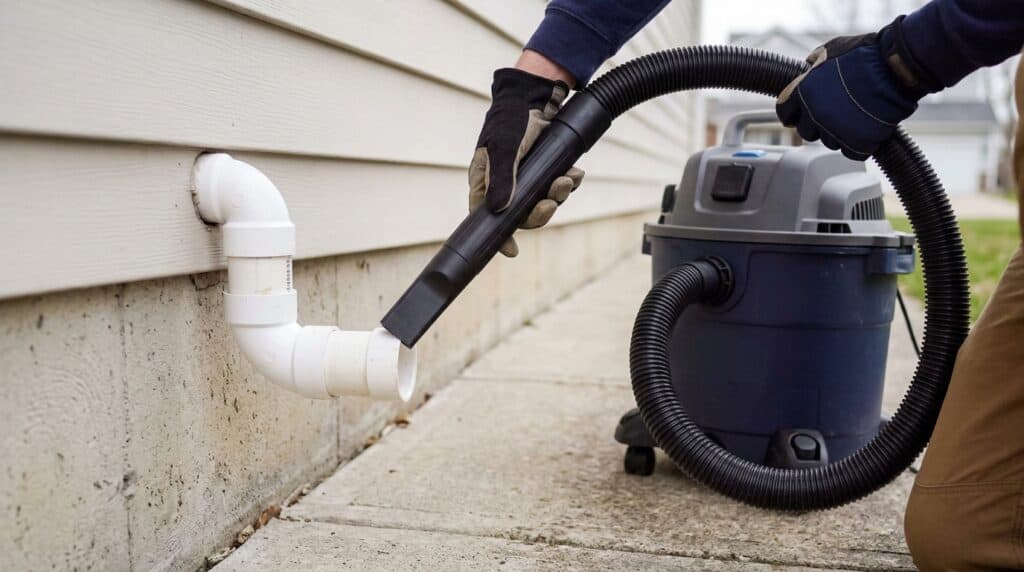
The source might be a cooling-coil drain, condensate pump, frozen evaporator coil, humidifier, or the drain assembly on a condensing furnace. Turn the system off if water is spreading toward wiring, flooring, or a finished ceiling. During service, we identify what produced the water and why its intended drain path failed instead of simply drying the cabinet.
06A breaker trips, a motor hums, or cycling changes
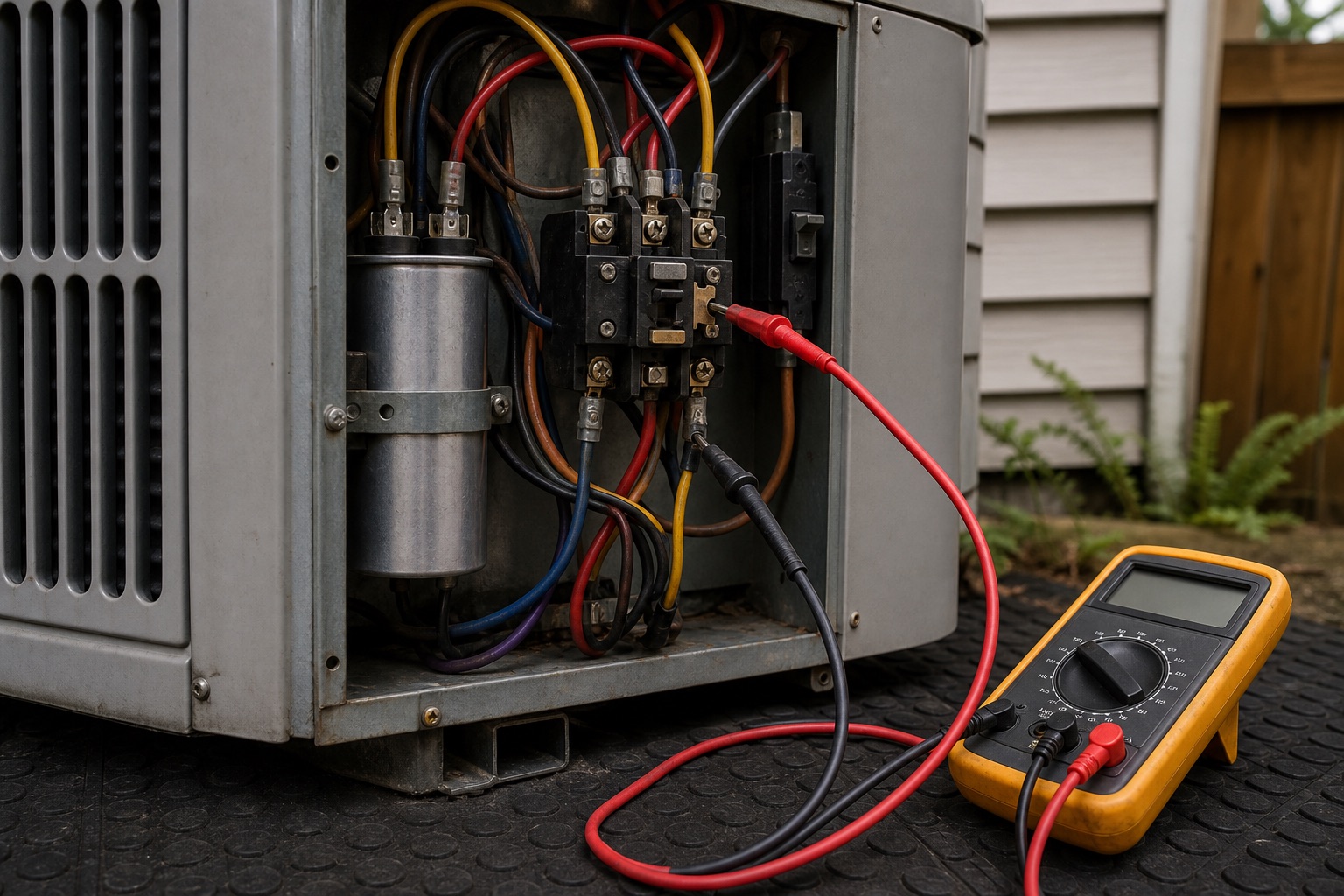
Reset a tripped HVAC breaker no more than once. If it opens again, leave the equipment off. A hum without startup, rapid clicking, blower scrape, or shortened cycle can point toward very different electrical, motor, control, or airflow faults. A short recording and the timing of the symptom can help, but live measurements are needed before selecting a component.
Gas smell or a carbon monoxide alarm? Leave the home and call 911 from outside. For a suspected natural gas leak, also contact PSE at 1-888-225-5773. Do not operate switches or restart equipment. Follow PSE's gas-leak guidance before arranging an HVAC visit.
Repair or replace
A useful decision starts with a named failure
Age tells us how much future service life may remain; it does not tell us what stopped the system today. We first identify the fault. Then, if replacement belongs in the conversation, we compare the immediate repair with parts support, safety, previous breakdowns, operating condition, and whether the Ballard property now asks the equipment to serve rooms or cooling loads it was never selected for.
Repair is the stronger option when
01The failed part is identifiable and the rest of the operating cycle tests normally.
02The comfort problem began with this breakdown rather than years before it.
03The correction restores safe operation without depending on obsolete controls or unavailable parts.
04The expected result is proportionate to the repair price and the system's condition.
Replacement deserves comparison when
01Testing finds a major failure alongside other documented reliability or safety concerns.
02Past repairs are accumulating and key parts or refrigerant choices are becoming restrictive.
03The equipment runs but cannot support the home's present ductwork, zones, or added living space.
04A planned heat-pump, cooling, or fuel change makes piecemeal work poor long-term value.
What happens after you call about a Ballard HVAC problem
The visit is organized around four questions: what changed, where the operating sequence fails, whether the house contributes to the complaint, and whether the approved correction works in the mode and room that originally gave you trouble.
01
Before we arrive
Give us the symptom and the access route
Tell us which rooms are affected, what the thermostat shows, and what the equipment does before it stops. A model photo or short sound recording can be useful. For Ballard properties, also flag alley parking, a narrow side passage, basement entry, a locked garage, rooftop equipment, or a utility room controlled by the building.
02
At the equipment
Reproduce the failure in the correct mode
We run the specific heating, cooling, or fan call that is causing trouble and trace the sequence from the thermostat outward. Electrical readings, temperature changes, pressure or refrigerant indicators, safety status, drainage, and airflow are checked where relevant. The path follows the evidence instead of a predetermined list of parts to sell.
03
Before any repair
Separate the failed component from the house constraint
We explain whether the immediate problem is inside the equipment, its controls, or the way air is distributed through the property. That distinction is important in Ballard homes where old ducts, a finished attic, or a later AC installation can mimic a capacity failure. The proposed scope and price are presented for your approval.
Before we leave
Verify the result at the system and the room
After authorized work, we operate the failed mode again and confirm that the repaired component responds correctly. When the complaint involved one floor or zone, we also revisit that location rather than treating cabinet operation as the only proof. Any separate airflow, maintenance, or end-of-life concern is documented as a different decision.
Tell us the symptom, the affected room, and where the equipment is located.
We schedule heating and air conditioning service across central Ballard, the Ballard Avenue and NW Market Street area, north Ballard and Loyal Heights, Sunset Hill, West Woodland, and residential streets toward the Ballard Locks and Shilshole. Your street address helps us confirm coverage and prepare for the property's actual access.
Near NW Market Street and denser residential blocks, parking and shared-building access can matter as much as distance. Tell us whether equipment is reached through an alley, narrow gate, basement stair, garage, roof, utility closet, or common mechanical space. Condo owners and tenants should arrange property authorization before the appointment when required.
Your service call may involve a basement furnace from one era, cooling added in another, and one renovated room that never became comfortable. We connect those facts before recommending work. You receive a plain-language explanation of the immediate failure, any separate house-level limitation, and the options that genuinely apply.
Ballard houses are often improved in stages. A furnace, cooling coil, condenser, thermostat, and ductless zone may all be different ages. We identify which parts actually share controls and airflow so a failure in one layer is not mistaken for proof that every layer needs replacement.
Your rooms are part of the diagnosis
If the problem is an attic bedroom, rear addition, lower-level office, or one mini-split zone, we keep that location in the conversation. Equipment readings matter, but so do return paths, closed doors, duct routing, and the difference between the thermostat area and the room where comfort breaks down.
Ballard access is planned, not improvised
We ask about alley loading, street parking, side-yard width, basement stairs, garage clearance, association rules, and shared roof access before the visit. That preparation helps the technician arrive ready for the actual property instead of discovering a locked mechanical area after diagnosis should have started.
The recommendation matches the failure
A repair recommendation should name what failed and what correcting it will accomplish. When age, safety, scarce parts, repeated breakdowns, or a larger retrofit changes the economics, we explain why replacement is worth comparing. The decision remains yours, with the immediate repair and broader upgrade kept clearly separate.
Reviews
What Seattle customers say
Customers mention clear explanations, practical recommendations, and HVAC work
completed without unnecessary pressure.
Our AC suddenly stopped keeping the house cool even though the unit was still running. I called HVAC Angel to check it out before things got worse. Michael inspected both the indoor and outdoor parts of the system and quickly found the problem. It turned out to be a small part that had worn out over time. He replaced it, tested the system, and made sure everything was working properly before leaving. The AC kicked back in right away and the house cooled down within the hour. Huge relief, especially with warmer days coming up.
“★★★★★
Our old AC finally gave up after years of patchwork repairs, so we decided to move forward with a full replacement. HVAC Angel made the process simple and clear from the first visit. Michael checked the existing setup, explained what size system made sense for our home, and gave a straightforward quote. No sales pressure, just facts. The installation team arrived on time, removed the old unit, and had the new AC up and running without any chaos. It is noticeably quieter and cools the house much faster than before.
“★★★★★
I am based in downtown Seattle and was having a hard time finding a reliable HVAC contractor for a full system replacement. Most of the quotes I received were honestly mind blowing. I found HVAC Angel through a recommendation in a local Facebook community and called them expecting another high number. Michael came out, assessed the setup properly, and gave a quote that actually made sense. When I compared it with the other bids, I realized I was saving around $2,100, which is significant. They completed the HVAC replacement in two days and kept everything organized throughout the process.
Questions Ballard homeowners ask about HVAC repair
The visit begins with the symptom and the operating mode that produced it. We reproduce the problem when possible, inspect the connected furnace, AC, heat pump, or mini-split components, and take relevant electrical, temperature, airflow, safety, drainage, or refrigerant measurements. The result is a specific finding and a repair scope you can evaluate before authorizing work.
Yes. We schedule service at Ballard addresses in 98107 and 98117, including central Ballard, Sunset Hill, Loyal Heights, West Woodland, and streets toward Shilshole. Because ZIP lines extend beyond everyday neighborhood boundaries, provide the full street address. We will confirm coverage and note any parking, alley, gate, or building-access requirements.
The symptom alone cannot establish a responsible repair price. Cost depends on the confirmed failure, required part, labor and access, warranty status, and whether another condition must be corrected for the repair to hold. Ask about the diagnostic charge when scheduling; after testing, we explain the proposed work and price before you decide whether to proceed.
Older heating ducts may deliver enough warm air in winter yet lack the supply and return capacity needed for second-floor cooling. Attic conversions, west-facing rooms, closed bedroom doors, low blower airflow, and a single main-floor thermostat can add to the imbalance. We verify AC output and distribution separately so the recommendation addresses the actual limitation.
Often, but the furnace blower and existing ducts must support cooling airflow as well as heat. The indoor coil, outdoor condenser, thermostat controls, refrigerant circuit, condensate drain, and blower settings also need to work as a matched system. A cooling complaint may originate in any of those shared components, so we diagnose the complete combination.
Yes, subject to the equipment and access. Tell us whether the system has one or several indoor heads and whether other zones still work. A single failed zone can involve its fan, sensor, filter, drain, communication wiring, or refrigerant path; problems across every zone may direct attention to the shared outdoor unit or controls.
Auxiliary heat can run during thermostat recovery, defrost, or colder outdoor conditions, so the indicator is not automatically evidence of failure. It deserves diagnosis when it stays on, comfort falls, or operating behavior changes. Testing may include thermostat staging, outdoor sensors, defrost controls, refrigerant performance, indoor airflow, and the backup heating source.
An existing installation can usually be evaluated regardless of who installed it. Share the manufacturer, model, approximate age, and any warranty or service records you have. We still diagnose the present condition independently. Parts availability, manufacturer restrictions, warranty coverage, and access may affect the repair choices, and those limits are explained before work proceeds.
Confirm where the indoor and outdoor equipment is located and whether it serves only your unit. Ask the property manager about roof, garage, utility-room, electrical-room, parking, and contractor-access rules. If the association controls the equipment or requires prior authorization, arrange that approval before the appointment so the technician can reach every relevant component.
Confirm the thermostat mode and setpoint, look for a displayed fault code, inspect an accessible filter, and check whether supply and return grilles are blocked. A tripped HVAC breaker may be reset once; leave it off if it trips again. Do not remove energized panels, bypass a safety switch, handle refrigerant, or restart equipment when you smell gas or burning.

 (206) 222-7194
 Licensed & insured
 Locally owned
 Service available 7 days