When heating or cooling fails in Fremont, the equipment may be in a century-old basement, a compact townhome closet, or a shared mechanical area. We repair furnaces, central air conditioners, heat pumps, and ductless mini splits throughout 98103, with measured diagnostics, clear findings, and repair options matched to the building rather than a stock sales script.
Fremont HVAC repair has to account for what changed around the system
South of N 40th Street, one service route can pass catalog-era houses, converted commercial buildings, courtyard apartments, and narrow multi-story infill. The equipment may be newer than the walls that carry its ducts, or the living space may have expanded while the original heating plan stayed almost untouched.
That history shows up as practical comfort problems. An attic bedroom may have a ductless head because extending the basement trunk would consume finished space. A new heat pump may share returns sized for a gas furnace. In a townhome, the outdoor unit can sit several floors from the indoor coil while its condensate line takes a different route through the building.
Our job is to learn that arrangement quickly, test the failed heating or cooling function, and identify whether the correction belongs at the equipment, its controls, the drain or refrigerant circuit, or the way air reaches the occupied rooms. That produces useful HVAC repair in Fremont without reducing every building to the same checklist.
Heating and air conditioning services for Fremont homes and residential buildings
The symptom may cross equipment boundaries. Central AC borrows the furnace blower, a dual-fuel heat pump depends on two heat sources, and multiple ductless zones share one condenser. We work through those connections so the service recommendation addresses the function you lost, not whichever cabinet is easiest to reach.
Furnace Repair in Fremont
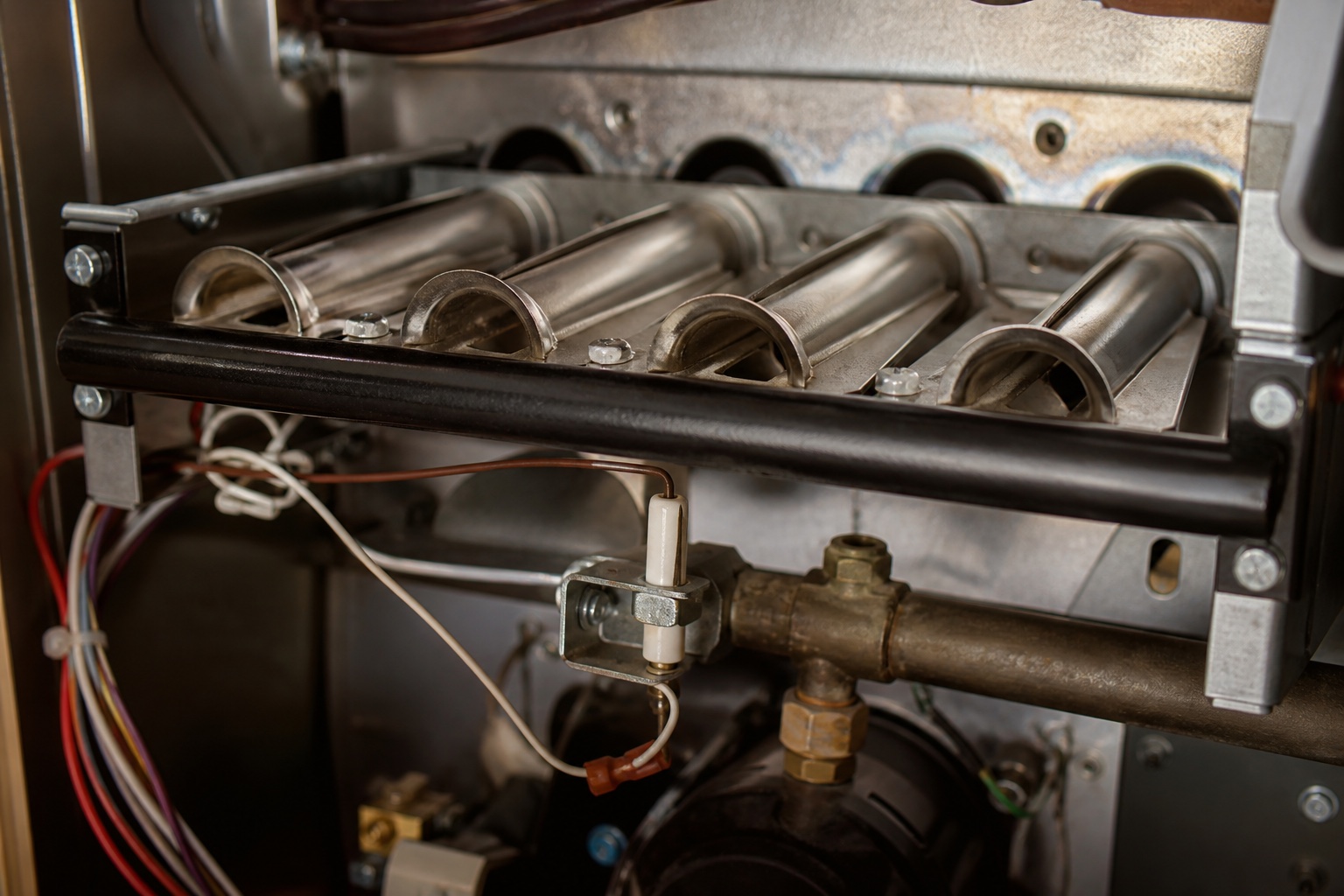
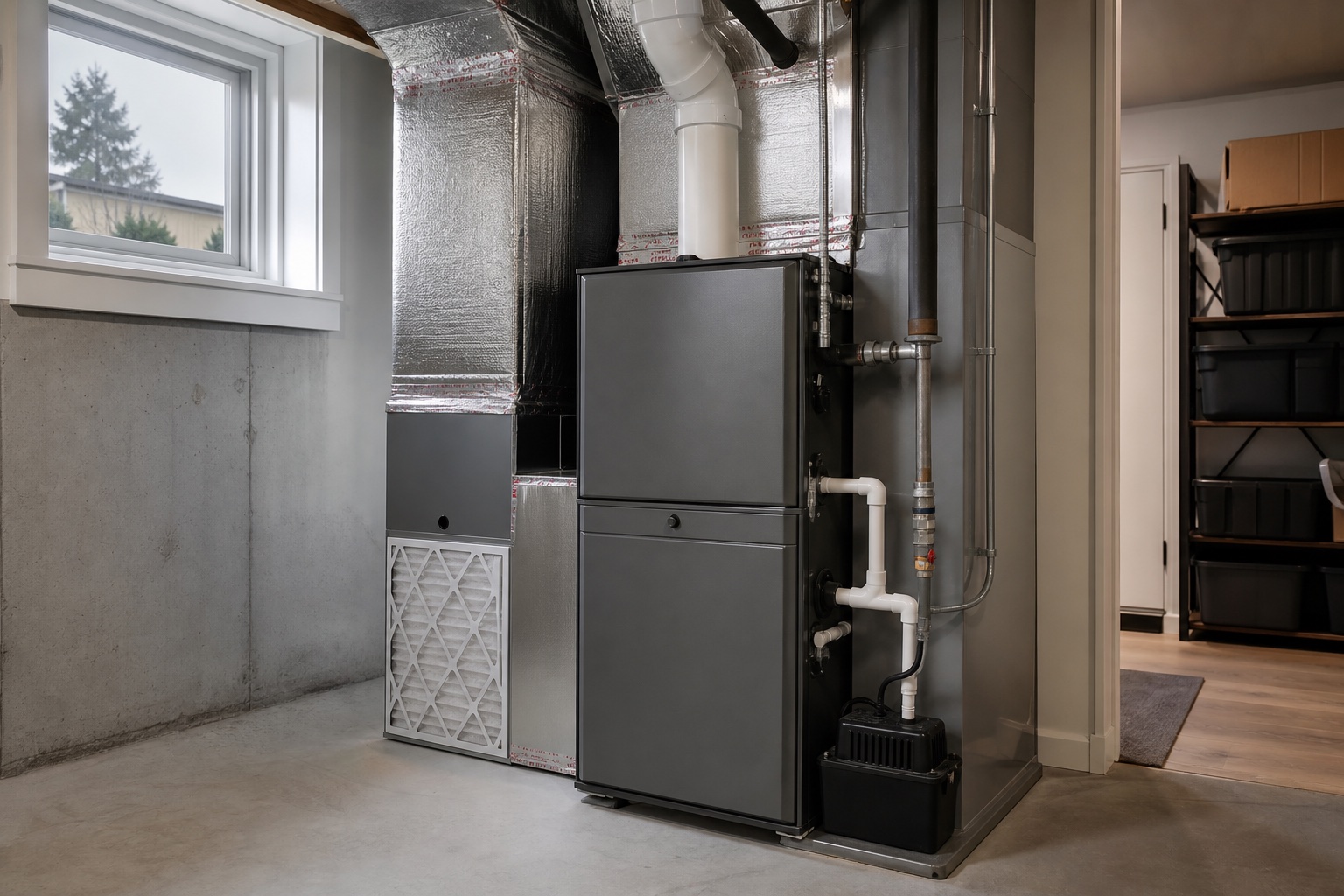
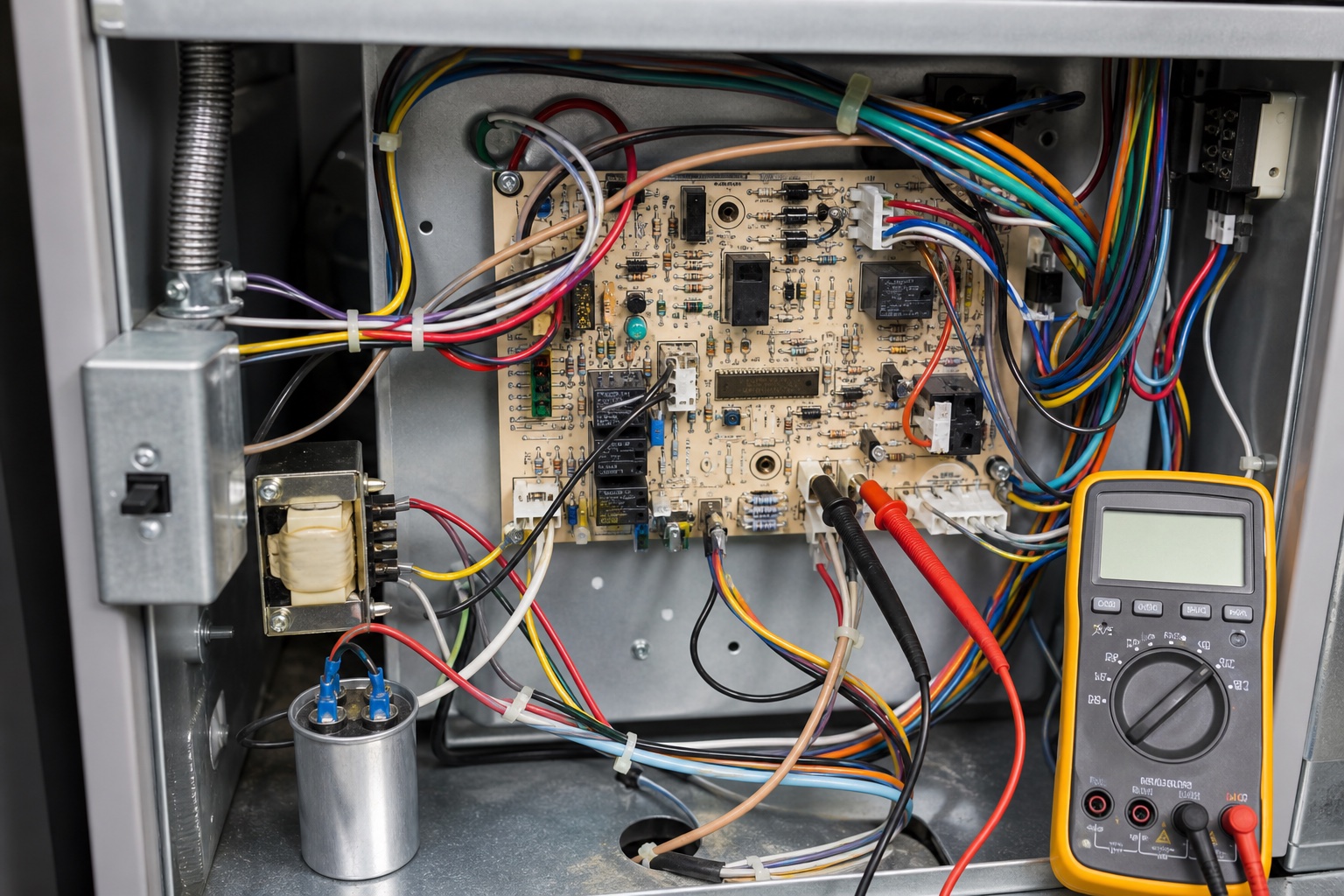
No heat can begin at the thermostat and end anywhere from the inducer to the blower. We follow the call for heat in order, verifying vent pressure, ignition, flame recognition, gas operation, limit controls, temperature rise, and air movement. In Fremont basements, we also look for return openings blocked by remodel work or filter arrangements that make the furnace run hotter than intended.
AC Repair in Fremont
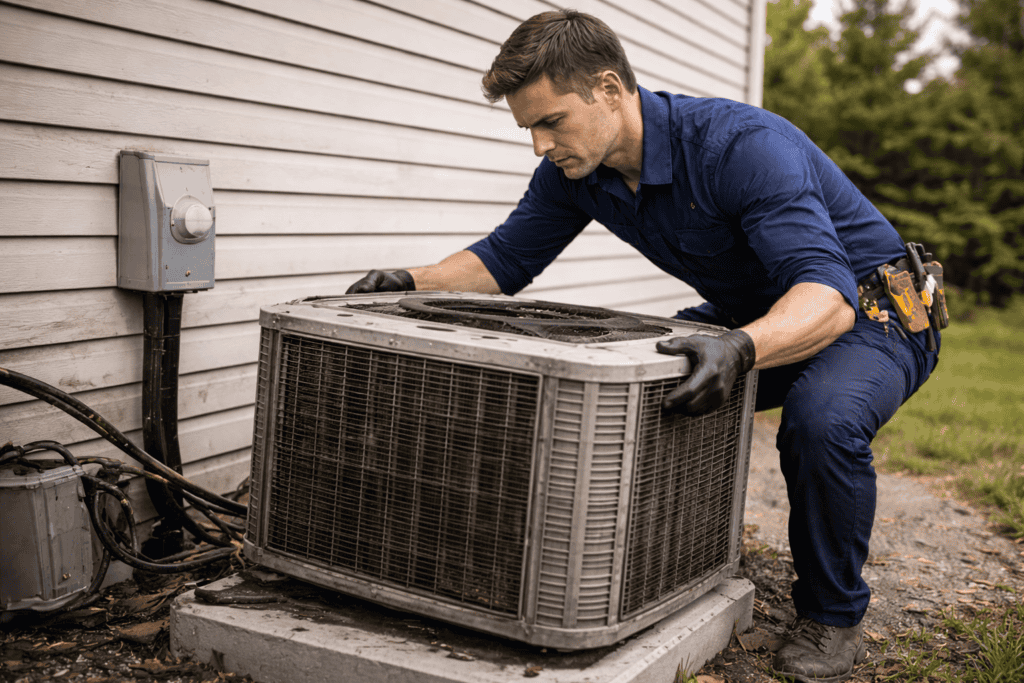
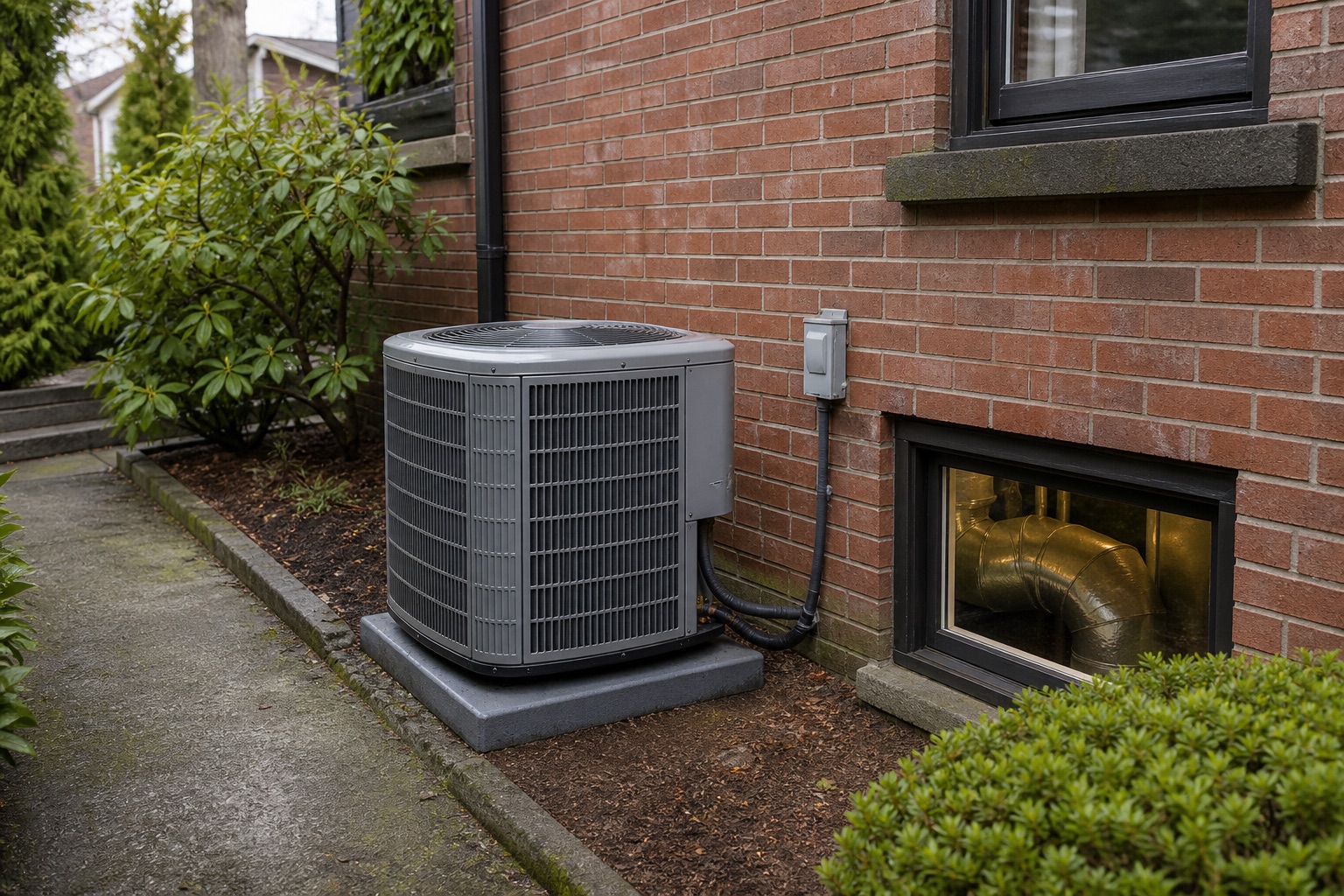
A condenser that runs is not proof that cooling reaches the rooms. We compare supply and return temperatures, blower delivery, evaporator condition, condensate flow, electrical components, outdoor fan operation, compressor behavior, and refrigerant indicators. This matters in Fremont houses where central AC was fitted to heating ducts and the upper floor has a much different summer load from the thermostat level.
Heat Pump Repair in Fremont
Heat-pump faults often reveal themselves differently in heating, cooling, and defrost. We test the mode that is misbehaving, then check thermostat staging, outdoor and indoor coils, reversing controls, fans, sensors, electrical loads, refrigerant performance, and any auxiliary heat. Persistent icing, an unexpected backup-heat indicator, or a unit that will not change modes each calls for a different diagnostic path.
Ductless Mini Split Service in Fremont
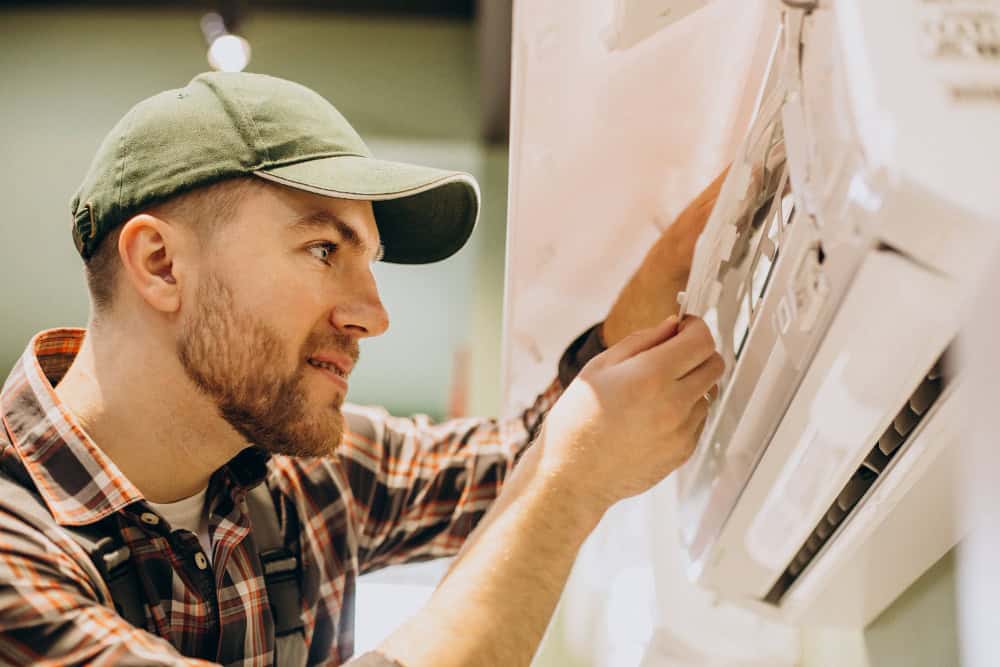
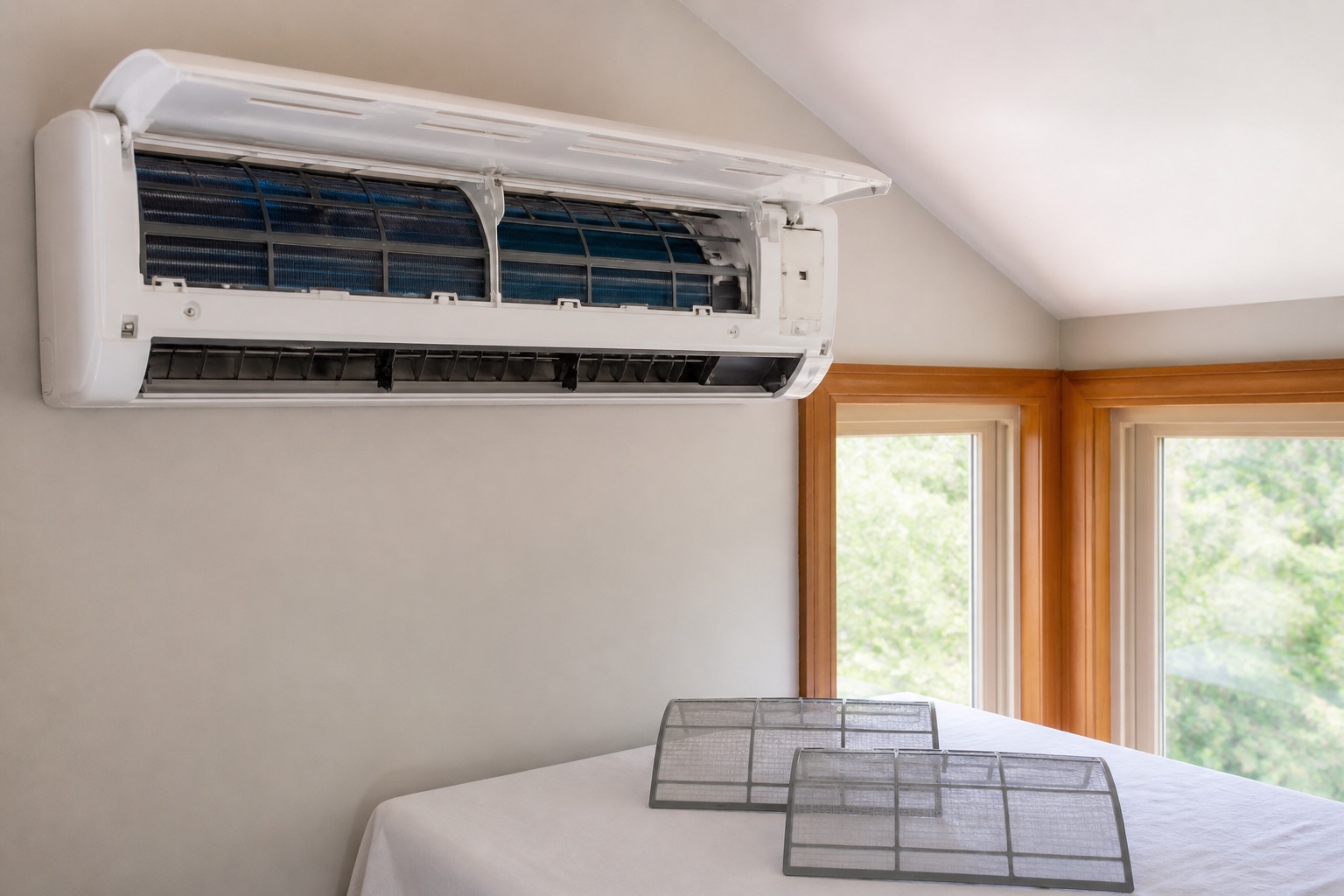
Ductless systems solve real space problems in finished attics, additions, studios, and rooms beyond the original duct plan. If one indoor head leaks, rattles, loses output, or stops responding, we inspect that zone's filter, coil, wheel, drain, sensors, line set, and communication wiring. If every head is affected, attention shifts to the shared condenser, controls, and refrigerant circuit.
HVAC Maintenance in Fremont
Maintenance should leave you with operating information, not just a clean cabinet. The work is adapted to the system: combustion and safety for a gas furnace, coils and drainage for cooling equipment, defrost and staging for heat pumps, and zone-by-zone condition for ductless units. Readings that indicate wear, restricted airflow, or unstable performance are separated from items that simply need routine care.
HVAC Replacement & Installation in Fremont
Replacement planning in Fremont starts with where equipment, piping, drainage, wiring, and service clearances can actually fit. We consider heating and cooling load, existing ducts and returns, electrical capacity, sound near neighboring windows, vertical distribution, and the path through the property. Seattle mechanical or refrigeration permits and inspection requirements are included when the proposed work requires them.
System by system
HVAC systems we service in Fremont
Fremont's variety is not just architectural. Homes may use a basement furnace, central cooling added years later, a slim heat pump beside a walkway, or separate ductless zones in finished spaces. Open each card for the diagnostic and access details that matter to that configuration.
Gravity-Duct and Forced-Air Furnaces
Read more→
Gravity-Duct and Forced-Air Furnaces
Some older Fremont houses retain large original duct pathways even after the heating equipment has been modernized. Others have compact trunks altered during basement finishing. We evaluate the current furnace together with accessible transitions, returns, filters, venting, and room delivery. Oversized old ducts and undersized new branches can coexist, so appearance alone does not establish whether airflow is adequate.
Central AC Added to Existing Heat
Read more→
Central AC Added to Existing Heat
An AC retrofit normally depends on the furnace blower and duct network even though the condenser sits outside. We treat the indoor coil, blower profile, thermostat wiring, drain, line set, outdoor controls, and room distribution as one cooling circuit. That approach is especially useful when the equipment produces cold air but a sun-exposed upper level still does not receive enough of it.
Slim Side-Yard Heat Pumps
Read more→
Slim Side-Yard Heat Pumps
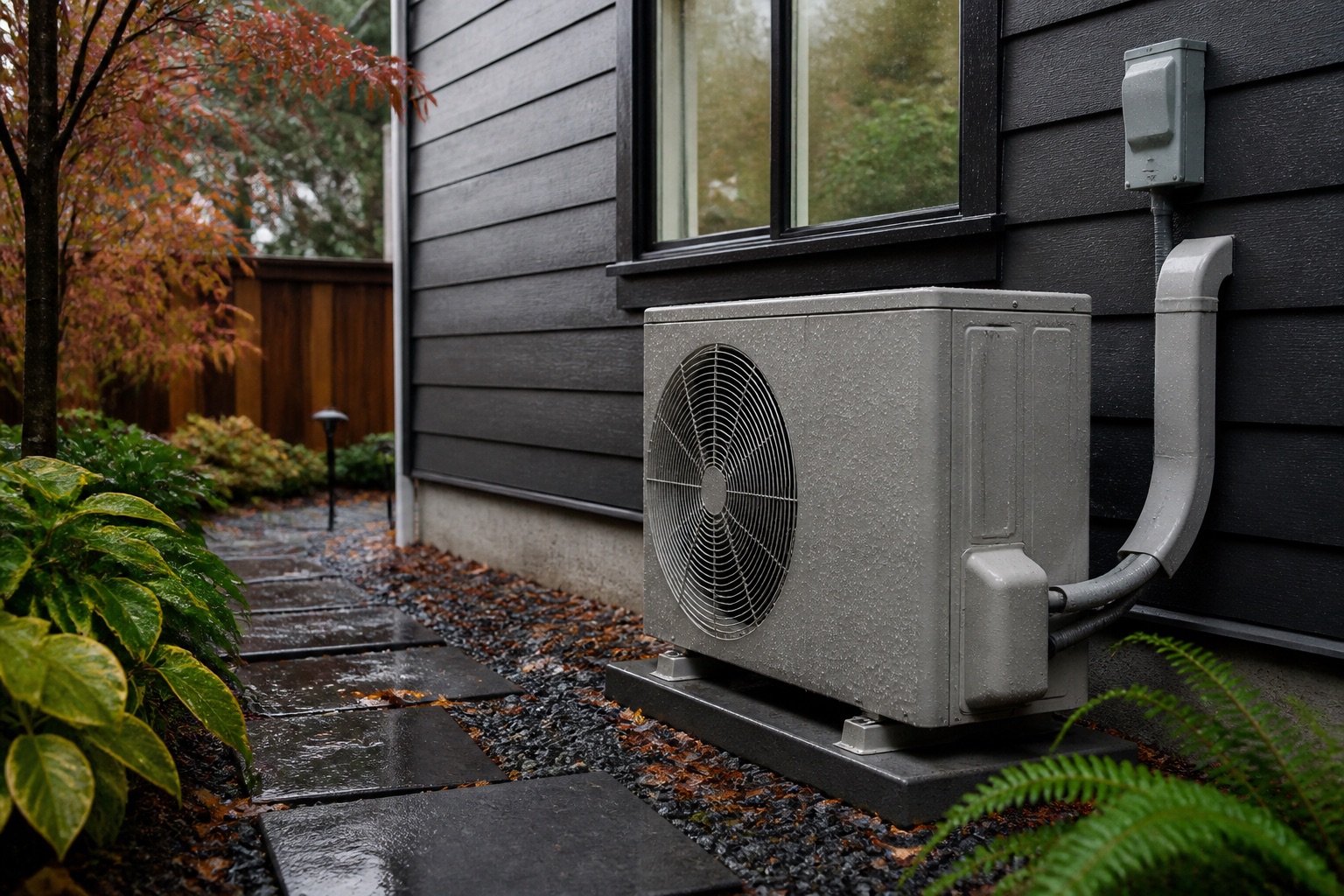
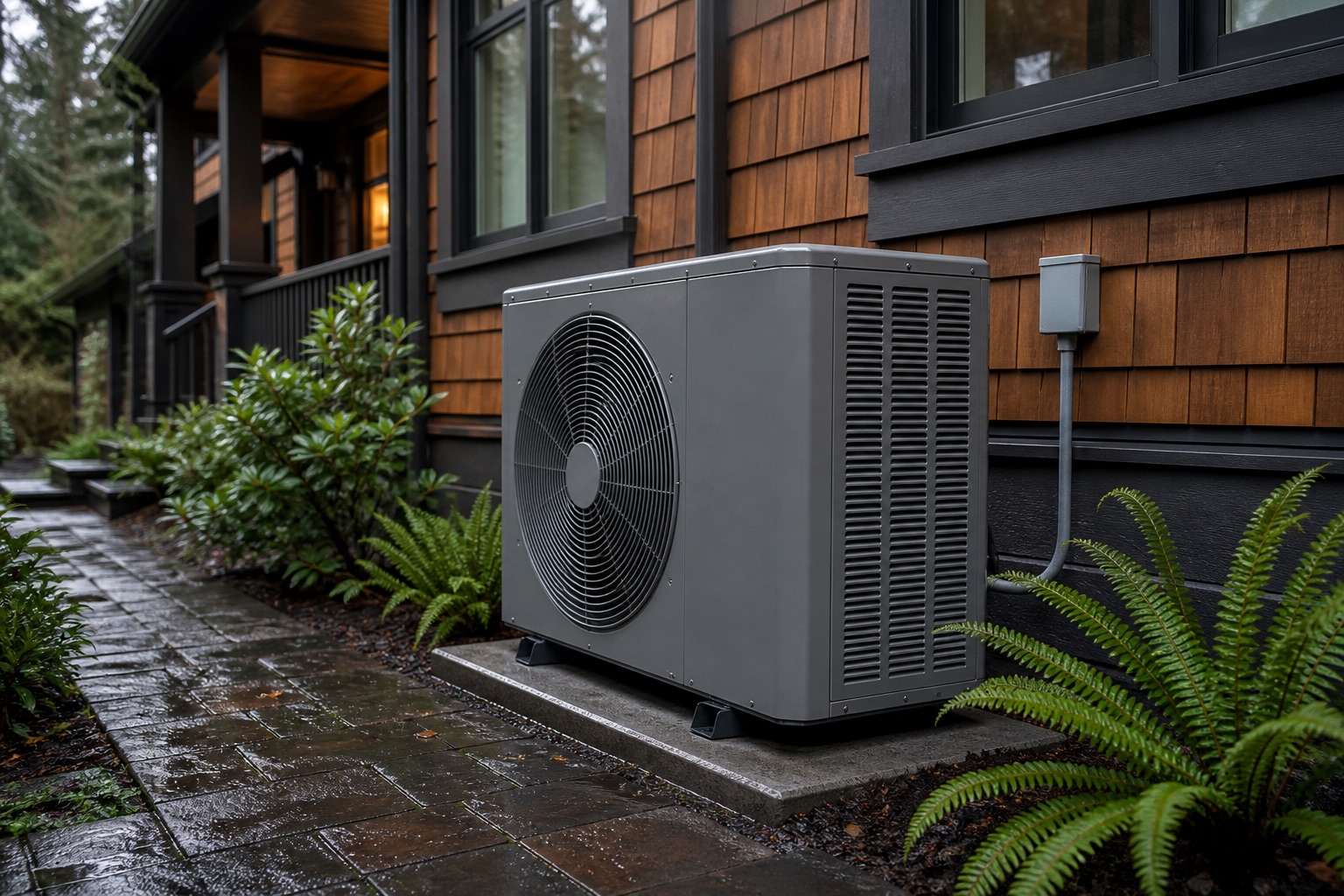
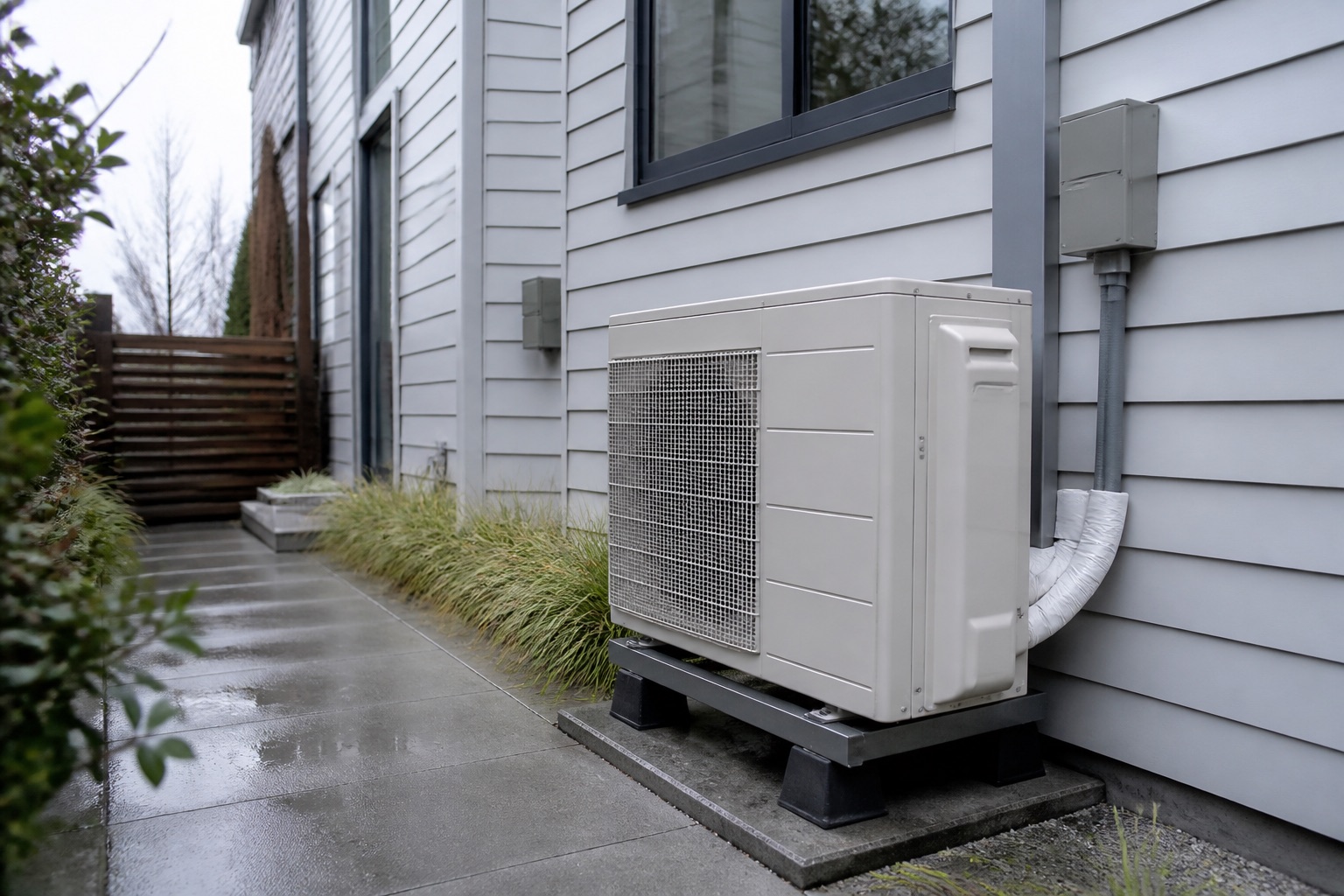
Closely spaced Fremont homes can leave little room between an outdoor unit, a walkway, landscaping, and the next window. A service visit may need to account for blocked coil faces, recirculated discharge air, drainage, vibration, snow-free clearance, and safe panel access. Quiet operation also matters when bedrooms and adjacent homes sit only a few feet away.
Townhome Air Handlers
Read more→
Townhome Air Handlers
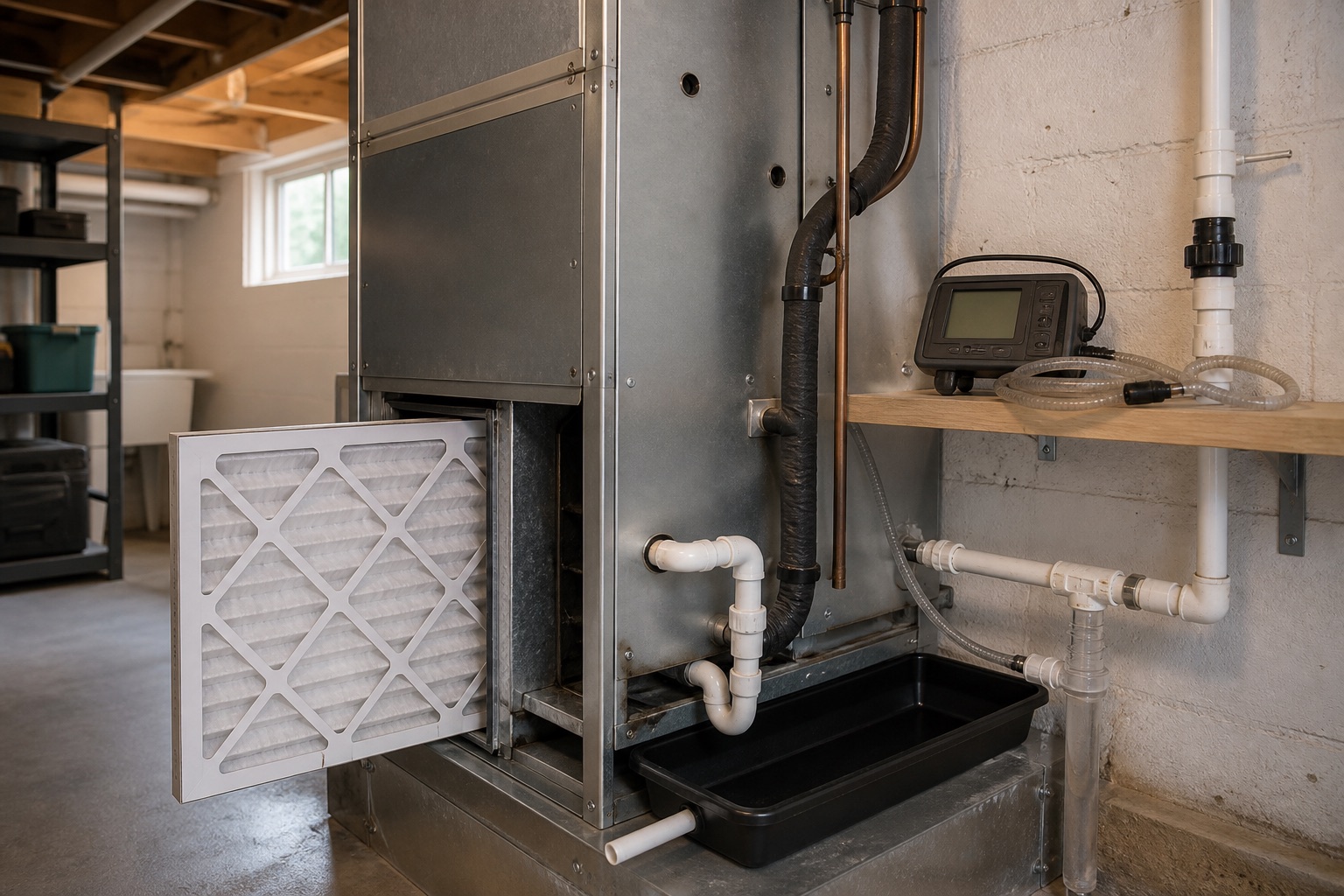
Vertical townhomes can hide an air handler in a garage, top-floor closet, ceiling cavity, or small laundry room. Long refrigerant and condensate routes make the location of a leak or drainage fault important. We confirm which floors and thermostats the equipment serves, then inspect the cabinet and remote components without assuming that every comfort complaint originates at the indoor unit.
Multi-Zone Ductless Equipment
Read more→
Multi-Zone Ductless Equipment
One outdoor condenser may support heads in rooms with very different loads and schedules. During diagnosis, we note which zones are calling, which are producing heat or cooling, and whether the problem moves when settings change. That comparison helps distinguish a dirty blower wheel or failed sensor at one head from a communication, capacity, or refrigerant issue affecting the complete system.
Mixed Residential and Shared Systems
Read more→
Mixed Residential and Shared Systems
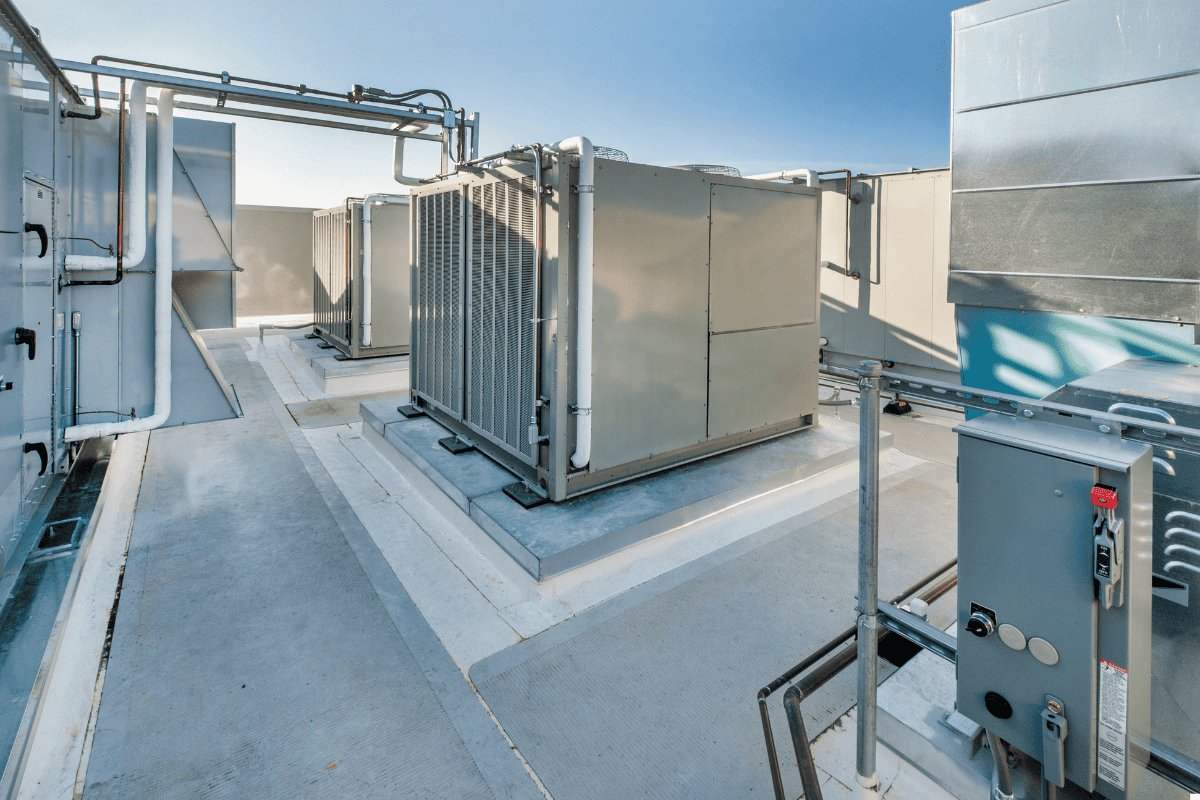
Apartments, live-work units, and converted buildings may contain equipment owned by the resident, equipment controlled by a landlord, and ventilation shared with other spaces. We establish the service boundary before work begins. Access to a roof, garage, electrical room, or common mechanical room may require a manager, key, or association approval even when the thermostat is inside your unit.
Before the failure becomes a guess
What your Fremont HVAC system is telling you
Note the order, location, and timing of the change. Silence at a furnace, cooling that fades after twenty minutes, water from one indoor head, or a heat pump stuck in one mode are distinct starting points. These observations help preserve evidence without asking you to perform unsafe testing.
01The thermostat calls, but the furnace stays silent
Confirm the thermostat is in heat mode and note any message or blank display. A silent furnace can involve low-voltage power, a door switch, thermostat wiring, control board, condensate safety, or the first motor in the sequence. Keeping the system as found, rather than cycling every switch repeatedly, can preserve a fault code and shorten the path to the actual interruption.
02Cold air reaches the main floor, not the top floor
Upper-floor heat gain and limited return air can overwhelm a duct layout that worked acceptably for winter heating. We first verify that the AC or heat pump is producing the expected temperature change. Then we compare accessible supply and return conditions, blower setup, filter restriction, damper positions, and door effects. Equipment repair and air-distribution improvement are treated as separate findings when appropriate.
03The outdoor unit is louder than it used to be
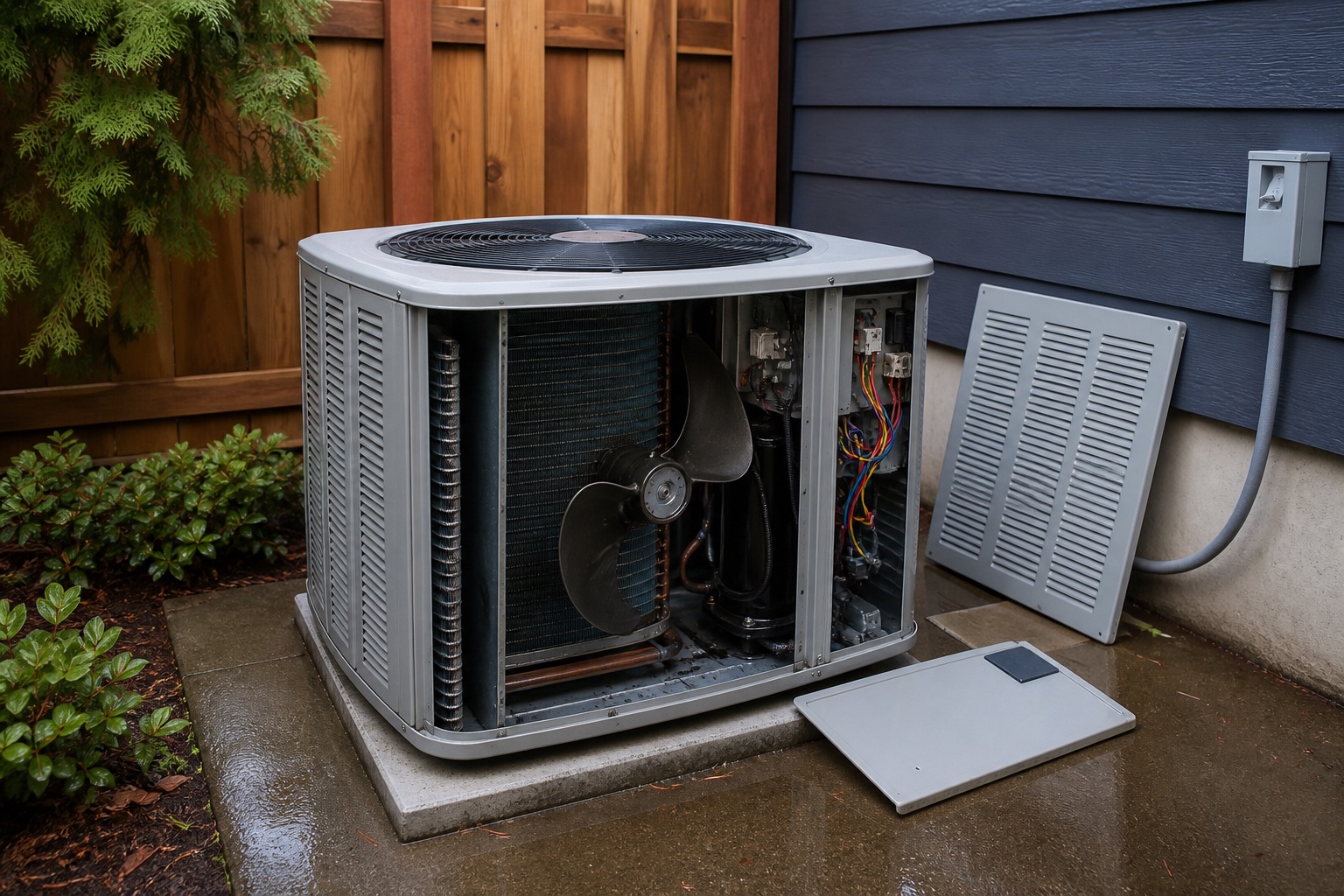
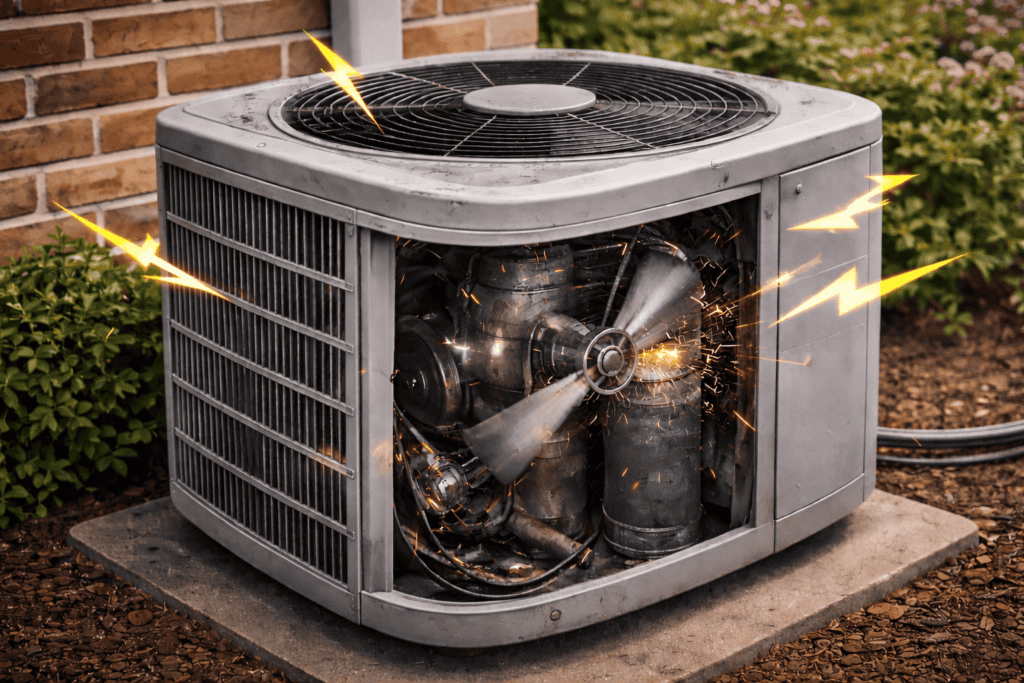
A new buzz, scrape, rattle, or hard-start sound should be described by when it occurs, not just by volume. Startup, steady operation, mode change, and shutdown engage different components. We check panels, fan assembly, contactor, capacitor, compressor behavior, mounting, tubing contact, and clearances. Shut the unit off if the fan is not turning or the breaker trips.
04One mini-split head drips indoors
Water at an indoor head can come from a restricted drain, fouled coil, uneven mounting, damaged drain routing, or ice that later melts. Turn the zone off and protect the wall or flooring. We inspect the head and its drain path rather than forcing water through blindly, because a concealed line in a finished Fremont wall needs a repair that does not create a second leak.
05The heat pump will not switch from heat to cooling
A mode-change problem may involve the thermostat command, low-voltage wiring, reversing valve control, sensor logic, refrigerant operation, or a setting that locks out cooling. We verify what the controls are requesting and what the equipment actually does. If the system is dual fuel or has auxiliary heat, we also confirm that backup stages are not masking the primary fault.
06Airflow falls after the system runs for a while
A gradual loss of air can point to an evaporator coil freezing, a blower changing speed, a restrictive filter, closed dampers, or a control issue. Switch cooling off if ice is visible and leave the fan on only if it operates normally. We need the reason the coil or airflow changed, not simply a thawed system that repeats the same failure tomorrow.
Gas smell or a carbon monoxide alarm? Leave the home and call 911 from outside. For a suspected natural gas leak, also contact PSE at 1-888-225-5773. Do not operate switches or restart equipment. Follow PSE's gas-leak guidance before arranging an HVAC visit.
A decision grounded in the test result
When repair is enough and when replacement deserves a quote
We do not use age alone to turn a service call into an installation conversation. First we identify why the system failed. Replacement enters the comparison when that evidence combines with safety, declining parts support, repeated breakdowns, incompatible retrofit pieces, or a building layout the present equipment cannot reasonably serve.
Repair fits the evidence when
01The failed control or component is confirmed and available.
02The remaining heating or cooling cycle operates within expected conditions.
03The complaint began with this fault rather than a long-standing room imbalance.
04The approved work restores safe, stable operation at a sensible cost.
Replacement earns consideration when
01A major failure appears with additional safety or reliability concerns.
02Obsolete parts, refrigerant constraints, or recurring repairs limit the value of another fix.
03Earlier additions left equipment, controls, or airflow fundamentally mismatched.
04A planned electrification or cooling project makes another isolated repair poor value.
From scheduling through final operation, each stage answers a different question: what changed, what equipment is connected, where performance breaks down, and whether the approved work corrected the original complaint.
01
Schedule the visit
Describe what the building does, not what you think failed
Tell us the operating mode, affected floor or zone, unusual sound or water, and whether the issue is constant or intermittent. For Fremont properties, include the equipment location and any garage, roof, alley, gate, parking, tenant, or manager requirement. Those details determine what access and diagnostic equipment the visit may need.
02
Establish the system map
Confirm which components serve the complaint
We identify the thermostat, indoor equipment, outdoor equipment, zones, electrical sources, drains, and shared duct or refrigerant connections involved. This step matters when a furnace and AC share a blower, when several mini-split heads share one condenser, or when building ventilation is separate from the unit you control.
03
Test the failing operation
Use measurements to isolate the break in performance
The technician runs the relevant call and checks the sequence, temperatures, electrical values, airflow, safety controls, combustion, drainage, or refrigerant behavior supported by the symptom. Findings are tied to the observed failure. If a room-distribution problem remains after equipment output tests correctly, it is identified on its own.
Close the loop
Approve the scope, then verify the same condition again
You receive the repair recommendation and price before authorized work begins. Afterward, we operate the system in the mode that failed, confirm the repaired function, and review what changed. Maintenance needs, access limitations, and future replacement considerations are documented without being folded into the immediate repair as surprise additions.
Have the affected room, thermostat message, and equipment access details ready.
Heating and cooling service across Fremont, Seattle 98103
We schedule HVAC repair from the blocks above the Lake Washington Ship Canal through central Fremont around N 34th and N 36th Streets, west toward Phinney Avenue N, east toward Stone Way N, and north toward the ridge. Share the complete address so we can confirm the route and the type of access the property requires.
Near the mixed-use core, tell us about loading access, metered parking, elevators, and building keys. On the residential slopes, note exterior stairs, narrow side yards, low gates, basement entries, or condensers behind the house. Owners, tenants, and managers should confirm who controls rooftop or common mechanical equipment before the appointment.
Fremont does not have one standard house or one standard HVAC arrangement. We arrive prepared to distinguish a failed appliance from the legacy ducts, vertical layout, tight exterior placement, or shared-building rules around it. The result is a repair conversation centered on evidence, access, and the comfort problem you called about.
A good appointment can fail before diagnosis if the condenser is behind a locked gate or the air handler is on an association-controlled roof. We ask where each component is located, how the technician reaches it, and who can authorize access. That is practical preparation for dense blocks, townhomes, apartments, and mixed-use properties.
We separate equipment output from room delivery
A correctly operating heat pump can still leave a top-floor bedroom uncomfortable. A strong furnace can still trip its limit when return air is restricted. We test the appliance and the path the conditioned air must travel, so the recommendation distinguishes a failed component from a duct, return, zoning, or building-load problem.
The explanation names evidence and consequence
We tell you what failed, how it was tested, and what the proposed work is expected to restore. If another condition may shorten the repair's life or keep one room uncomfortable, it is explained separately. You can approve the immediate correction with a clear view of what it does and does not solve.
Retrofit history is treated as useful information
Fremont buildings often change use and mechanical systems over time. A newer condenser may rely on an older furnace; a finished attic may have its own mini split; an apartment may share ventilation but not heating. We reconstruct those relationships before deciding which equipment belongs in the repair scope.
Reviews
What Seattle customers say
Customers mention clear explanations, practical recommendations, and HVAC work
completed without unnecessary pressure.
Our AC suddenly stopped keeping the house cool even though the unit was still running. I called HVAC Angel to check it out before things got worse. Michael inspected both the indoor and outdoor parts of the system and quickly found the problem. It turned out to be a small part that had worn out over time. He replaced it, tested the system, and made sure everything was working properly before leaving. The AC kicked back in right away and the house cooled down within the hour. Huge relief, especially with warmer days coming up.
“★★★★★
Our old AC finally gave up after years of patchwork repairs, so we decided to move forward with a full replacement. HVAC Angel made the process simple and clear from the first visit. Michael checked the existing setup, explained what size system made sense for our home, and gave a straightforward quote. No sales pressure, just facts. The installation team arrived on time, removed the old unit, and had the new AC up and running without any chaos. It is noticeably quieter and cools the house much faster than before.
“★★★★★
I am based in downtown Seattle and was having a hard time finding a reliable HVAC contractor for a full system replacement. Most of the quotes I received were honestly mind blowing. I found HVAC Angel through a recommendation in a local Facebook community and called them expecting another high number. Michael came out, assessed the setup properly, and gave a quote that actually made sense. When I compared it with the other bids, I realized I was saving around $2,100, which is significant. They completed the HVAC replacement in two days and kept everything organized throughout the process.
Fremont HVAC repair questions, answered
We diagnose and repair residential gas and electric furnaces, central air conditioners, ducted heat pumps, dual-fuel systems, air handlers, and ductless mini splits. The visit also considers the connected thermostat, electrical controls, blower, coils, condensate drainage, refrigerant circuit, venting, safety controls, and accessible ductwork when those components relate to the reported problem.
Yes. We schedule Fremont HVAC repair at addresses in 98103, from the Ship Canal and N 34th Street area through residential blocks toward the ridge and Stone Way N. Postal boundaries do not exactly match neighborhood boundaries, so provide the full street address. We will confirm coverage and ask about parking, gates, stairs, rooftops, or shared mechanical-room access.
We can service equipment that you or the property owner are authorized to have repaired, provided every relevant component is accessible. First identify whether the furnace, air handler, heat pump, mini split, or thermostat serves only your unit. Coordinate with the landlord, manager, or association when roof, garage, electrical-room, common-area, or building-system access requires permission.
The cause can be equipment capacity, but often the decisive issue is distribution. Older heating ducts may have limited return air upstairs, while finished attics and west-facing rooms add summer load. We verify the cooling system's output first, then inspect blower setup, filter condition, supply delivery, return paths, doors, dampers, and thermostat location before defining the remedy.
A ducted heat pump can sometimes be paired with a compatible furnace for dual-fuel operation or installed with an electric air handler, but suitability depends on load, duct and return capacity, blower compatibility, electrical service, controls, and outdoor-unit placement. For a repair visit, we confirm how the current equipment is configured before testing staging, defrost, auxiliary heat, and switchover behavior.
Price follows the diagnosed fault, not the neighborhood or a list of symptoms. The required part, labor, equipment access, warranty status, refrigerant work, and any condition needed for a durable correction can affect the scope. Ask about the diagnostic charge when booking. After testing, the proposed repair and price are explained before you authorize the work.
No. You may reset a tripped HVAC breaker once after confirming that the equipment is safe to run. If it trips again, leave it off and arrange diagnosis. Repeated resets can expose wiring, motors, compressors, or controls to further damage. Do not open energized panels or replace a breaker with a larger one to keep the system running.
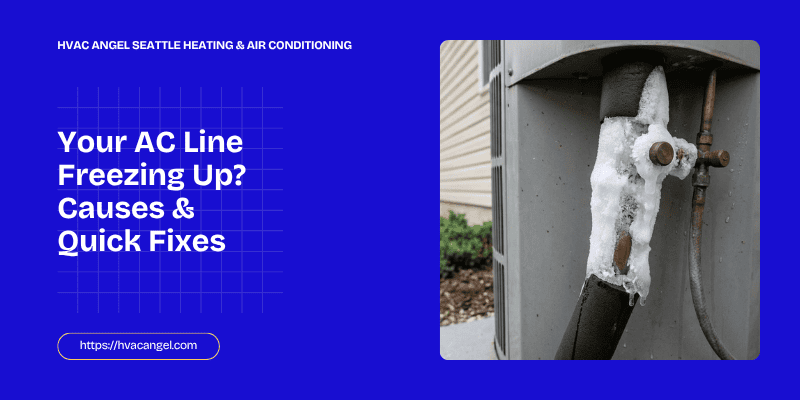
A light frost can appear during damp heating weather, and a working heat pump should periodically enter defrost to clear it. A coil that becomes encased in ice, never clears, or loses indoor comfort needs attention. Causes can involve airflow, sensors, defrost controls, fan operation, drainage, or refrigerant performance. Do not chip ice from the coil.
Confirm the thermostat mode, temperature setting, and displayed messages. Look at an accessible filter, make sure supply and return grilles are not blocked, and note which rooms or zones are affected. Photograph an error code before power is changed. Do not bypass safety switches, handle refrigerant, remove electrical panels, or continue operating equipment that smells burnt or trips a breaker.
Replacement merits a real comparison when diagnosis finds a major failure alongside advanced age, repeated breakdowns, limited parts support, a safety concern, or a system that no longer serves the building's layout. A repair can still be appropriate on older equipment when the fault is defined and the rest of the operating cycle is sound. We explain both paths when both are credible.

 (206) 222-7194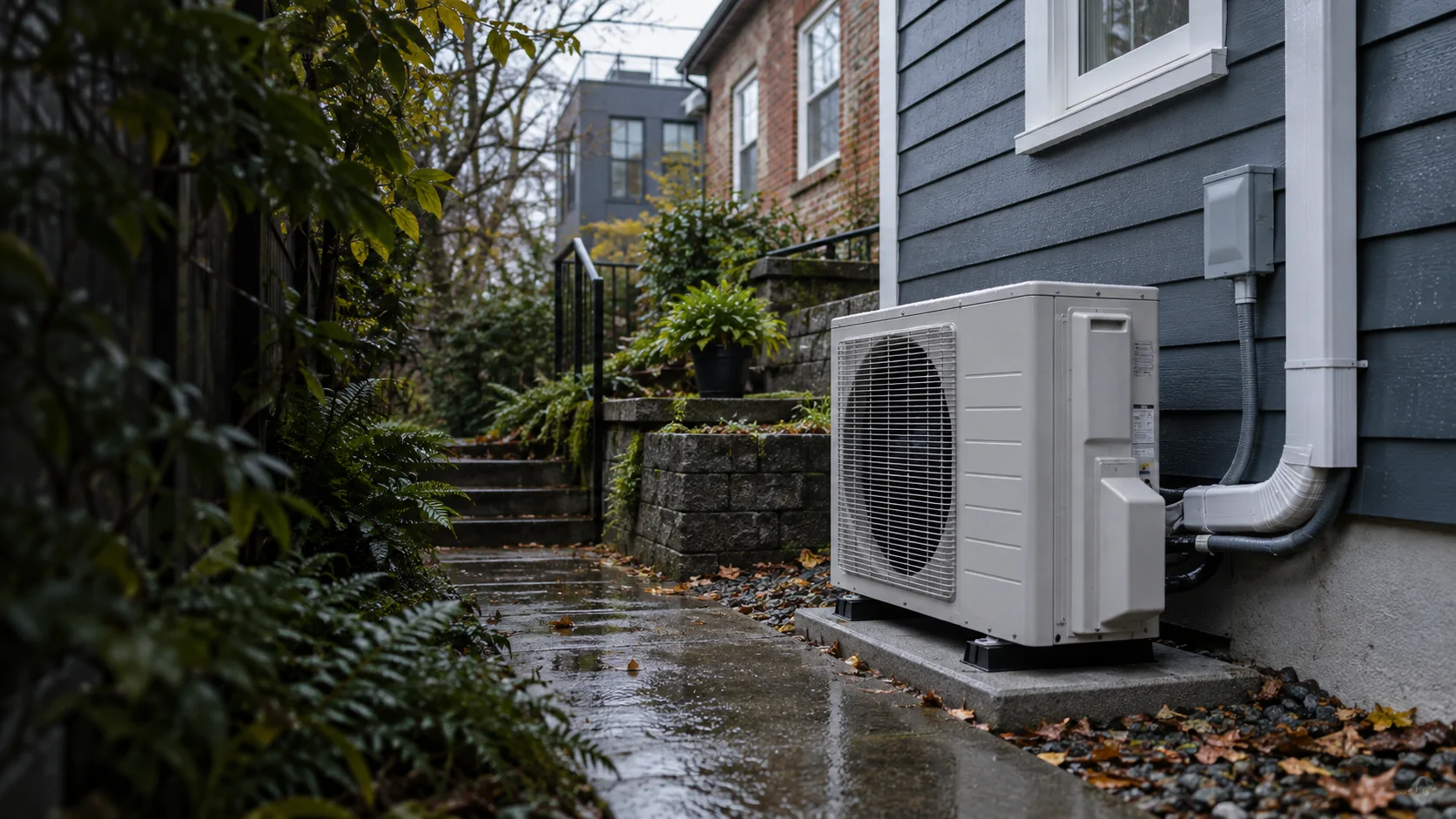
 Licensed & insured
 Locally owned
 Service available 7 days